


The effects of underfunding and overcrowding are already being felt in the wards
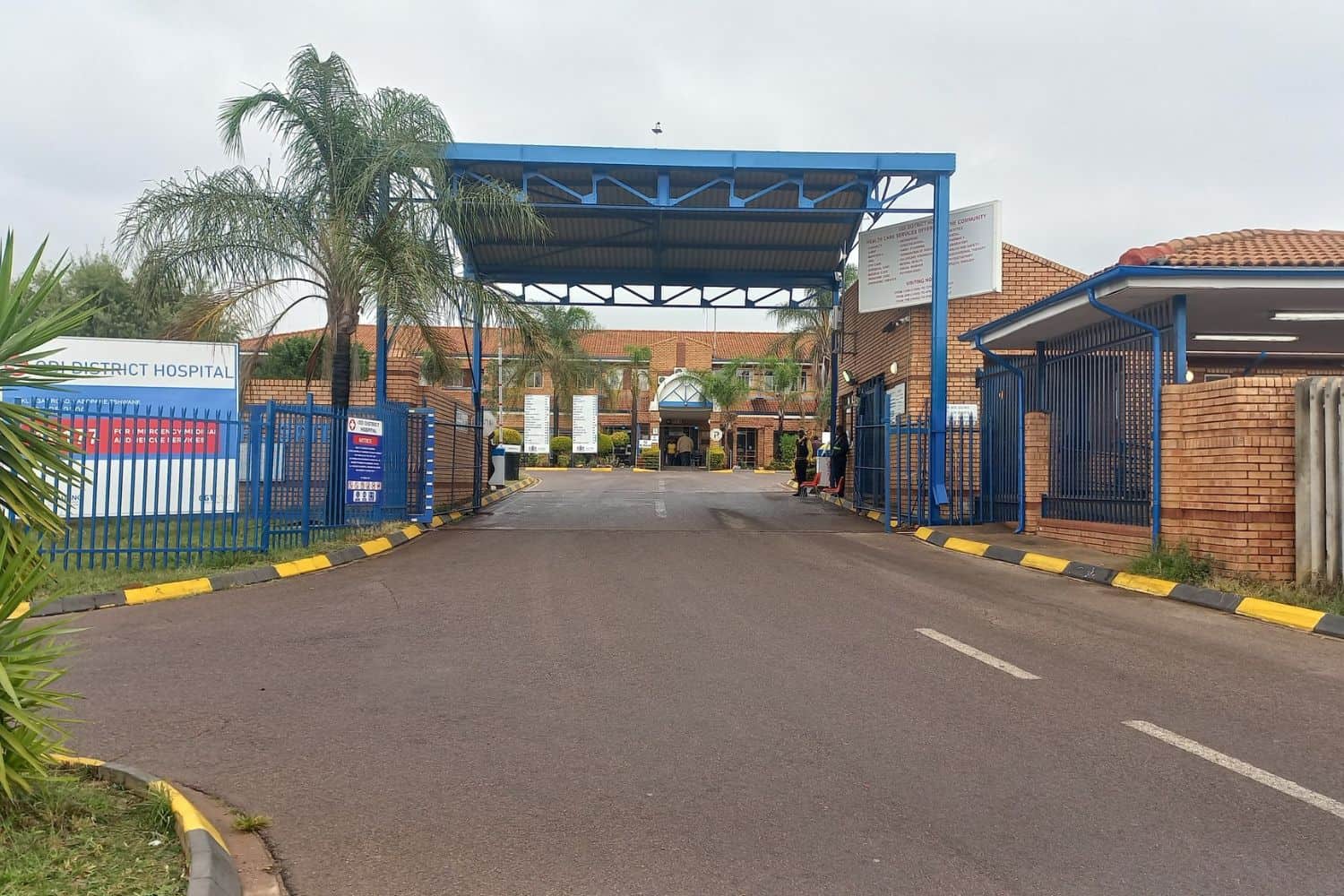
Picture: Facebook


Suppliers at Odi District Hospital in Mabopane, Tshwane, have allegedly begun withdrawing essential services after the facility racked up R33 million in unpaid bills.
This has left more than a million residents at risk of losing access to reliable healthcare.
Suppliers are cutting services as unpaid debt mounts
Patients at Odi District Hospital are facing growing disruptions to care as suppliers begin pulling back support following months of non-payment.
DA Gauteng spokesperson for health and member of the provincial legislature, Madeleine Hicklin, said the situation has become untenable for those keeping the hospital running.
“Suppliers have begun cutting back on essential support after accumulating R33 million in unpaid bills from the hospital,” she said. With cash flow cut off and no certainty of payment, service providers are left with little choice but to scale back or walk away entirely.
“Approximately 80% of this debt is overdue beyond the legally prescribed 30-day payment period, leaving many suppliers unable to pay staff or restock supplies,” Hicklin added.
The scale of the crisis was laid bare during a recent oversight visit by the Gauteng Provincial Legislature’s Portfolio Committee on Health and Wellness, where the hospital’s Finance Manager, Charles Lesufi, disclosed the extent of the unpaid bills.
The fallout for suppliers has been severe, with many unable to cover their own staff costs or replenish stock.
ALSO READ: Ramaphosa rests NHI rollout until legal challenges are settled
The financial rot goes deeper than one hospital
The unpaid debt is not an isolated accounting problem. It points to a broader pattern of financial mismanagement within the Gauteng Department of Health that, according to the DA, has gone unaddressed for years.
The party said it wrote to Gauteng Premier Panyaza Lesufi demanding urgent intervention to resolve the crisis and ensure suppliers are compensated without further delay.
Hicklin was unsparing in her assessment of departmental leadership. “We are not surprised, as we have consistently exposed the poor financial controls in the department led by the incompetent Gauteng health MEC Nomantu Nkomo-Ralehoko,” she said. The consequences of that failure, she argued, now extend far beyond the hospital’s walls.
“The MEC’s abject failure to implement sound financial controls is now affecting over one million residents served by this hospital,” Hicklin added, underscoring the human cost of what she describes as chronic institutional negligence at the top of the department.
Budget pressures threaten staff vacancies and expansion plans
The debt crisis is allegedly already casting a shadow over the hospital’s operational future. With limited cash available at both the facility and the broader Gauteng Department of Health, a significant portion of new budget allocations may need to be redirected to settle historical debts rather than fund current services or growth.
Among the casualties of the financial squeeze is the planned filling of at least 27 vacant posts at the hospital.
Expansion plans are similarly at risk, leaving a facility that is already critically under-resourced with little prospect of relief in the near term.
Hicklin warned that the budget implications will be far-reaching. “These unpaid bills could further strain the upcoming budget cycle, as much of the new operational funding may need to cover historical debts because of limited cash at both the hospital and the Gauteng Department of Health,” she said.
The staffing and infrastructure gaps are not minor. “The debt is also likely to affect the planned filling of at least 27 vacant posts at the hospital and the facility’s expansion plans,” Hicklin noted.
ALSO READ: Limpopo family sues health MEC over psychiatric patient’s death
Patients treated in corridors and wrong wards
The consequences of underfunding and overcrowding are already being felt on the wards.
According to the DA, Odi hospital currently operates with a small number of accident and emergency beds.
The shortage of appropriate facilities reportedly extends to mental health care as well, with psychiatric patients regularly accommodated in general medical wards due to a lack of dedicated space. Hicklin described conditions inside the hospital as a reflection of years of neglect.
“The hospital currently has only four accident and emergency/casualty beds, a few intensive care beds, often forcing patients to be ventilated in the casualty department,” she said.
She added that the situation for vulnerable psychiatric patients is particularly concerning. “Mental health patients [are being] accommodated in general medical wards due to overcrowding,” Hicklin said.
Refurbishment plans mean little without fixing the fundamentals
Plans to refurbish and expand health infrastructure across Gauteng, including upgrades to emergency units, theatres, maternity wards and mental health facilities, remain on the table, but critics argue that bricks and mortar mean nothing if systemic problems remain unresolved.
Without financial stability, new infrastructure risks becoming another unfulfilled promise.
Hicklin acknowledged the need for physical upgrades but stressed that they cannot substitute for institutional reform.
“Health refurbishment projects must be prioritised to strengthen emergency units, theatres, maternity wards and mental health facilities across the province,” she said. “However, these upgrades will have little impact if the underlying failures in the health system are not addressed.”
The DA’s position is that sustainable healthcare delivery begins with accountability and competent management. “The Gauteng Department of Health must urgently fix its financial mismanagement, pay service providers on time, and ensure hospitals like Odi are properly resourced to deliver reliable healthcare,” Hicklin said.
The Citizen reached out to the Department of Health for comment. This article will be updated once a response is received.
READ NEXT: Alberton mom gives back after losing a bursary when daughter (2) was diagnosed with kidney cancer
Support Local Journalism
Add The Citizen as a Preferred Source on Google and follow us on Google News to see more of our trusted reporting in Google News and Top Stories.

