But while the US and Britain may be pursuing accountability badly, South Africa has not pursued it at all.
Picture: iStock


Only transparency can rebuild trust before the next emergency.
In 2022, Dr Anthony Fauci described himself as the world’s “most famous and talked-about person”.
He had become, he said, a much-needed “symbol of integrity and truth” during the Covid-19 pandemic. Modesty aside, he was not far wrong about the first assertion.
On the second, however, the hubris is breathtaking.
Truth about Covid-19
Few people – not even the medically eccentric Robert F Kennedy Jnr – have done more damage to the injunction to “follow the science” than the man who recently invoked the Fifth Amendment more than 100 times before a US Senate committee investigating the pandemic response.
Prising out the truth about Covid-19 is not a uniquely American problem.
The other major attempt to do so, in the UK, has been blunted by the reluctance of the medical and political establishment to look too closely.
SA not pursuing accountability
But while the US and Britain may be pursuing accountability badly, South Africa has not pursued it at all.
It should also be said at the outset that, contrary to the conspiracy theorists on social media, most of the scientists, officials, politicians and public intellectuals who drove the pandemic response were motivated not by malice but by a climate of fear, misguided zeal and institutional hubris.
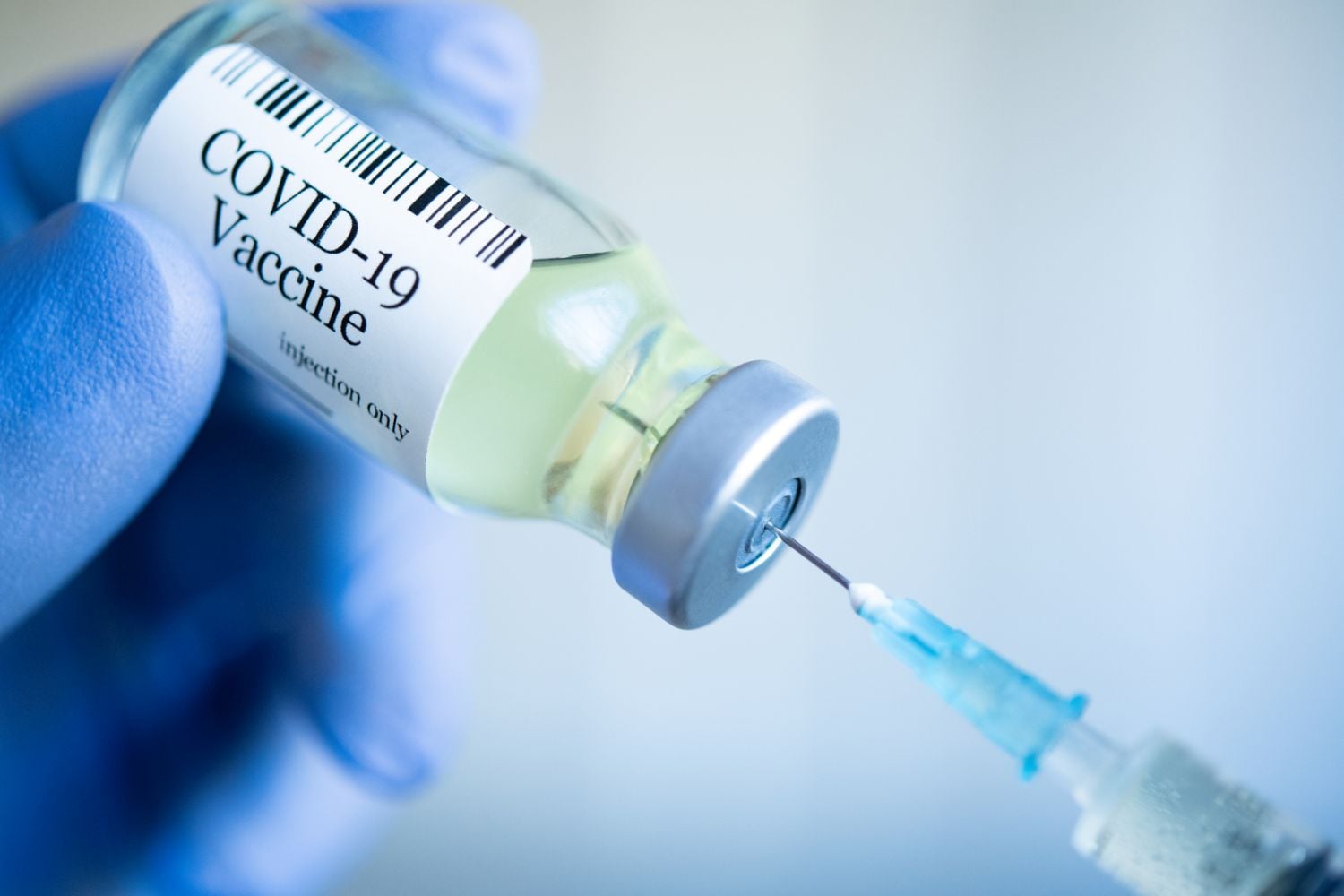
Vaccines are a major medical triumph and, especially for the elderly and medically vulnerable, greatly reduced the risk of severe illness and death.
The failure came when panic and arrogance transformed a targeted medical tool into an absolutist dogma.
Effects of Covid-19
During the pandemic, one of the results was a miscellany of irrational regulations – most infamously, the bans on the sale of open-toed sandals and hot rotisserie chickens – enforced with sometimes lethal zeal.
The economy contracted, millions lost their livelihoods, schooling was devastated, routine health care was disrupted, hunger, child malnutrition and mental isolation deepened. Public trust in government and medical authority was affected.
No surprise, then, that we had our own, locally minted Faucis.
These public figures, largely unchallenged, were willing to blur the science, stretch the law, and crush any sign of common sense.
Vaccination
Among the public intellectuals was Prof Pierre de Vos, holder of the Claude Leon Foundation chair in constitutional governance at the University of Cape Town (UCT), who was quick to argue the state had both the right and the duty to compel vaccination.
When resistance persisted rather than abated, De Vos’ proposed remedies became progressively more coercive.
Prof Keymanthri Moodley, director of Stellenbosch University’s Centre for Medical Ethics and Law, argued in a journal article that civil liberties objections were being voiced “loudly and abrasively”, but that it was “no longer a matter of whether”, but when, mandated vaccinations should be introduced Retired Constitutional Court judge Edwin Cameron compared “hardcore anti-vaxxers” to Aids denialists and urged that mandates be “made law”.
While some of SA’s most prominent jurists and ethicists were found wanting, several of our most internationally respected medical academics, while supportive of vaccinations, did see the dangers, and did hold the line against institutional pressure, at great personal and professional risk.
Warnings about the pandemic
UCT infectious disease researcher Robin Wood warned repeatedly that global panic was driving officials to cherry-pick apocalyptic models, suppress uncertainty, and herd clinicians and policymakers into a sometimes flawed consensus by appointing only the already persuaded as advisors.
When Prof Glenda Gray, then head of the Medical Research Council (MRC) criticised the extended lockdown and warned of child malnutrition, the director-general of the department of Health called her a liar and demanded an investigation.
The MRC initially capitulated before an enormous local and international academic uproar forced a shamefaced U-turn.
Health ministry drops scientists
Former health minister Dr Zweli Mkhize responded by warning advisors against “potentially destructive behaviour”.
A few months later, Gray was dropped from the ministerial advisory committee, along with 14 other prominent scientists.
“Follow the science” was a compelling battle cry, but that is not how it panned out. Dissenting voices, including those of reputable scientists, were silenced.
Efforts to enforce compliance
As the evidence accumulated, it became clear that researchers, doctors, politicians and journalists had repeatedly overstated the strength of the data underpinning life-changing government decisions.
Too often, these distortions were not innocent mistakes made under pressure, but calculated efforts to enforce compliance.
That is why South Africa needs a genuine accounting. Not to embarrass or berate those who made the wrong judgement calls under the pressure of a crisis, but to confront how and why the scientific method surrendered so easily to cant and dogma.
Only such an honest reckoning can rebuild the credibility and trust that the health department, the government, and the wider medical establishment will need when the next public health emergency strikes.