


I’m just not convinced that building up the narrative that the best thing one can do after school is going to university is a good one for the country.
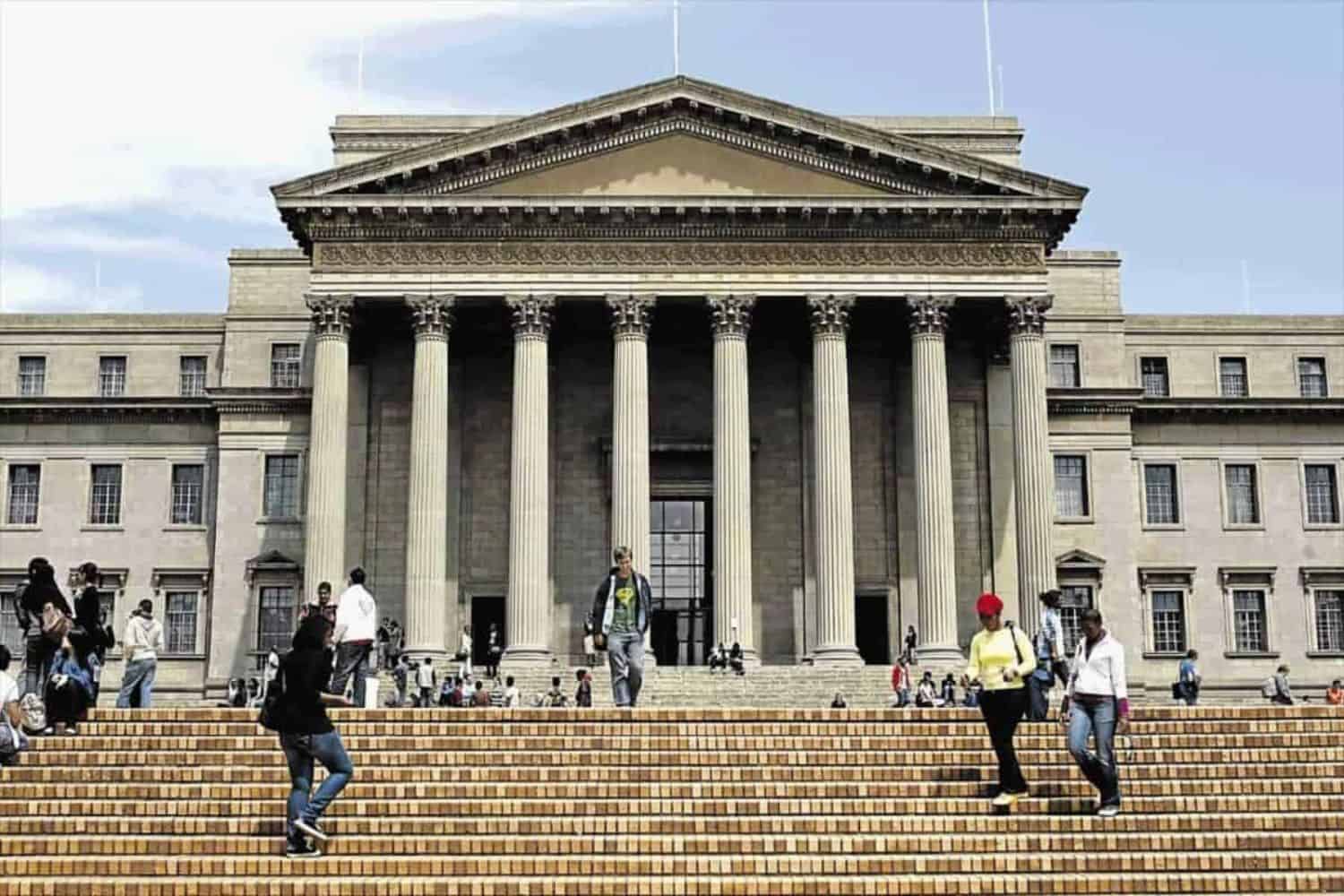
Picture: Raymond Preston


As matriculants get their results and the usual panic of choosing an institution of higher learning sets in, more young people could be asking, why. What’s the point of continuing formal education?
Sure, many employers still see it as valuable, but as far as content goes, reading the same textbook and watching a couple of YouTube videos could do the trick in many instances.
The sport can be replaced by community clubs, as can most extra-curricular activities, and the research already seems to have gone the way of the think tank.
If we need universities in order to continue research, do we need to bring in a bunch of undergrads to justify it?
The professions all have their own bodies that could oversee budding enthusiasts’ education in matters of their relevant profession, and they could probably do it with more direct insight into the needs of the environment.
Beyond that, it just appears that we don’t need to prop up institutions of higher learning as the best next step following school, because to so many, it might not be.
Best bang for your buck?
Not only do we have a significant drop out for various reasons, including financial exclusion, but by not even asking the question of university relevance, you’re doing yourself an injustice.
Of course, universities, as with most institutions of higher learning, will always have some value and asking the question may even seem flippant. It deserves to be asked, though, because with so much money directed their way through the public purse, there needs to be bang for buck.
It may be cheaper to take every NSFAS student, put them in an “entrepreneur house” feed and accommodate them for three years, give them 100k each and tell them to start a business.
The reason we don’t do that is probably that we know it won’t work. Why are we so sure that university, in its current form, works? Why are we so sure that we’re willing to pay even more for it?
If going to university was so effective, why do we still have high graduate unemployment? If the answer is that it’s a lower proportion of our general unemployment, then let me rephrase the original question: what is the university doing to fix general unemployment?
Like most graduates, I’m pretty proud of my degree and want the same pride for the incoming youth, but they live in a different world – where information is more accessible than ever, processing is faster and in the space of a generation, we’ve gone from writing elegant letters to having an AI type out birthday wishes to be WhatsApped and ignored.
Good for the country … and you?
It would be lovely to hear from employers who have been in the game for a few decades, how the current crop of graduates has shifted from the past. It would be lovely to hear from the top achievers how many of them even wish to stay in South Africa if they haven’t already left.
Perhaps there are those who will influence the country in a grand and tremendous way, I’m sure. I’m just not convinced that building up the narrative that the best thing one can do after school is going to university is a good one for the country.
ALSO READ: How to prepare for university
An experiment
So here’s my challenge to any higher education institution that wishes to play a game: find some kids who can’t afford your course but want to take it, give them the learning outcomes, a textbook, and uncapped internet.
Don’t let them anywhere near your campus, and don’t let them have any lecture notes, slides, or videos. In other words, they need to find the knowledge themselves.
At the end of the semester, bring them in to write the same exams. I’m curious whether access and diligence will show the rest up.
NOW READ: Here’s why finance minister should shut down Nsfas
Support Local Journalism
Add The Citizen as a Preferred Source on Google and follow us on Google News to see more of our trusted reporting in Google News and Top Stories.

