



We must use the national disaster classification to end GBV now, or we let the next generation inherit a crisis we had every opportunity to stop.
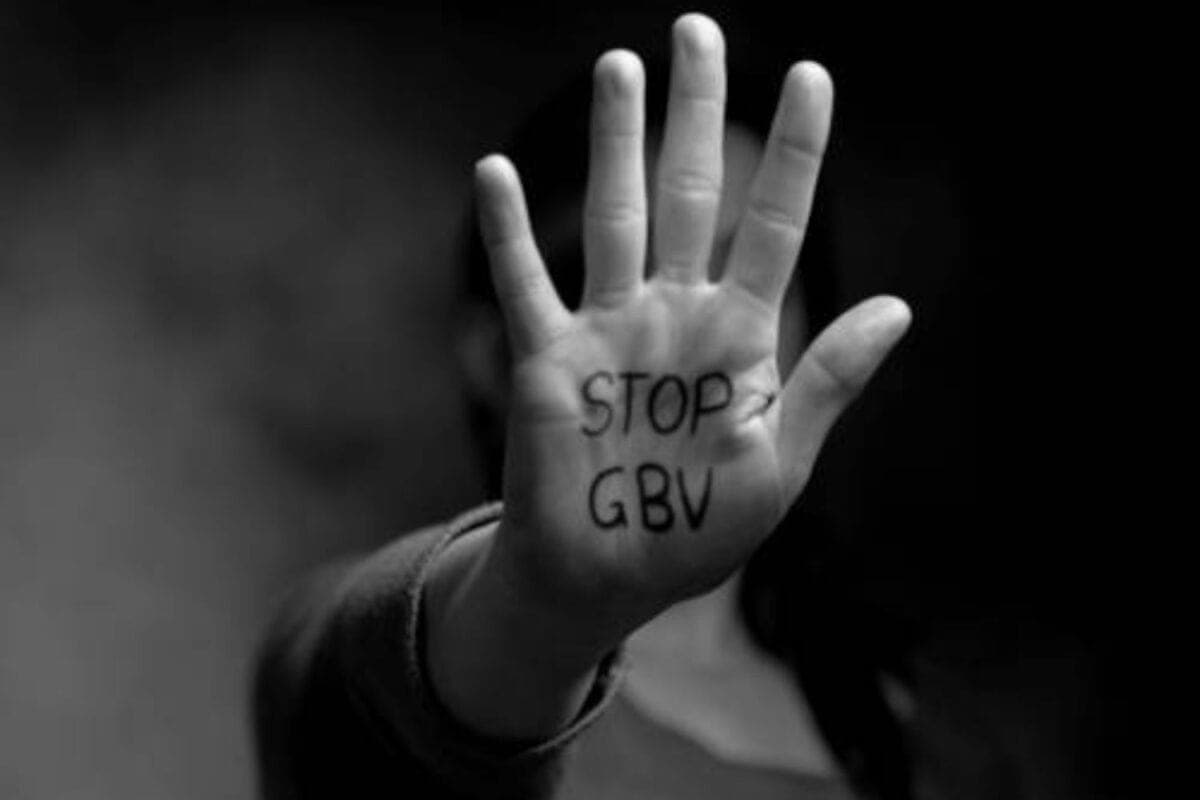
Picture: iStock


To say that South Africa is unsafe for women and children is to confront a painful truth many carry quietly.
Ordinary acts like visiting the post office, going on a date, or being in a romantic relationship could become a dangerous, even deadly, situation.
One in four women in SA will experience intimate partner violence over the course of their lives and almost half of SA’s children have experienced neglect, mistreatment, abuse, or violence.
Government’s decision to classify gender-based violence (GBV) as a national disaster is an admission that it’s not a women’s issue; it’s a social crisis that has spiralled out of control.
It’s an acknowledgement that we need immediate action, backed by the right laws, policies and interventions, to ensure we don’t pass this national disaster on to the next generation.
The National Strategic Plan on GBV and Femicide is just a piece of paper without state funding to implement it.
Similarly, the draft Liquor Amendment Bill of 2016 to strengthen alcohol regulation has been stuck in legislative limbo for years, gathering dust while heavy drinking continues to fuel violence against women and children.
Alcohol use by male partners is a major driver of abuse, with women three times more likely to experience violence by a partner who drinks heavily.
Efforts to address GBV must be anchored in three goals: prevent violence before it occurs, support survivors and ensure our justice system works for women.
ALSO READ: Childminder arrested for allegedly abusing two-year-old girl
Prevent violence before it occurs
The state spends significantly more on its response to GBV than preventing violence happening. Prioritising prevention is not only morally urgent; it is economically sound.
The public health and economic cost of violence against women and children costs the country billions of rands, a drain that could be significantly reduced through sustained early intervention.
Prevention must be embedded across maternal and child health services, through positive parenting programmes, alcohol harm-reduction initiatives, economic empowerment efforts and challenging harmful gender norms through programmes that also focus on boys and men.
From early childhood socialisation to positive role modelling, prevention efforts must involve boys and men to shape healthy conceptions of masculinity.
Effective programmes should address the key risk factors that drive men’s perpetration of violence, including childhood victimisation, exposure to rape and violence against other men.
These interventions must be community-based and should reach them in spaces where they can be influenced by other men, like at initiation schools.
ALSO READ: A shame SA has world’s highest levels of violence against women and girls, Ramaphosa says
Support survivors
Shelter services are severely underfunded and are too few to meet the needs of women fleeing violence.
The scarcity of shelters in areas where violence is concentrated means survivors must travel long distances to access trauma containment services.
We need to build and equip more Thuthuzela Care Centres and shelters to create safe spaces for women, especially in remote and under-resourced areas.
In addition, we must ensure that existing services are not eroded like those provided by community-based organisations, that have long been supporting survivors with limited resources.
Public funding to combat GBV must be made available to protect these services.
Ensure the justice system works for women
A justice system that works for women requires trained, empathetic police officers, efficient investigations and survivor-centred courts.
We need departments and agencies to work well together to provide services to victims.
For instance, a survivor of a sexual offence needs a comprehensive service package provided by various players.
Strengthening interdepartmental coordination and enforcing consistent standards of care are important to rebuild trust in the justice system and ensure that every victim receives the protection and dignity they deserve.
To achieve these goals, government must mobilise the support of civil society, communities and the private sector.
We must use the national disaster classification to end GBV now, or we let the next generation inherit a crisis we had every opportunity to stop.
NOW READ: Betrayal of trust: Principals, teachers at centre of school abuse storm in 2025
Support Local Journalism
Add The Citizen as a Preferred Source on Google and follow us on Google News to see more of our trusted reporting in Google News and Top Stories.

