South Africa's traditional leaders are expected to embody the honour and discipline that their offices demand.
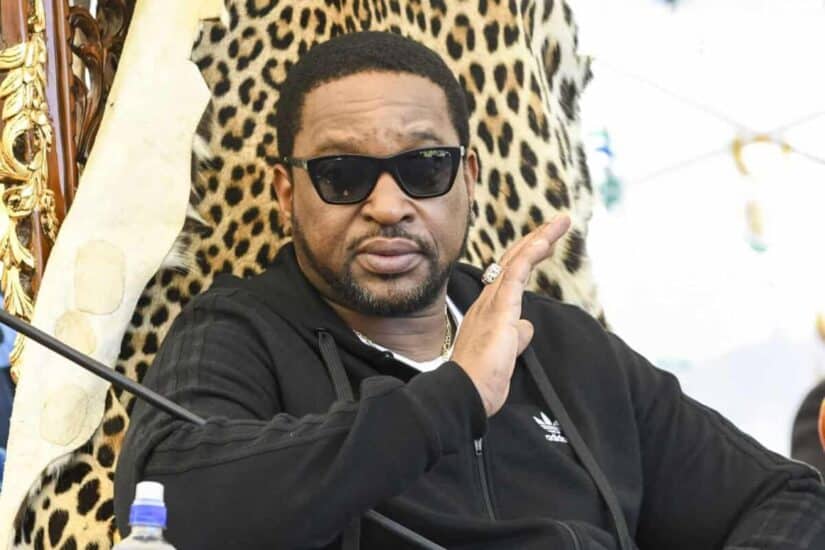
Zulu King Misuzulu KaZwelithini was recently seen in a viral video holding what appears to be a bottle of alcohol while hurling insults at the queen. Picture: Gallo Images/Darren Stewart


Titles have always carried expectations. Whether bestowed by birth, earned through service or conferred by appointment, leadership demands a standard of conduct befitting the office.
In South Africa, traditional leaders occupy a unique place, serving as custodians of culture, history and community identity.
Their influence extends far beyond ceremonial duties; it shapes public confidence in the institutions they represent.
A moment of poor judgment does not exist in isolation. It reflects upon an institution that has survived generations and deserves to be upheld with honour, restraint and unquestionable integrity.
South Africans have witnessed succession disputes over traditional leadership unfold, not only in courts of law, but also in the court of public opinion.
The journey to the throne has, in some instances, been marked by legal battles, competing claims and intense public scrutiny.
Yet, once a king or queen is formally recognised, the contest should give way to the responsibility of the office.
It is therefore difficult to ignore the embarrassment that follows when videos or public behaviour emerge that appear unbecoming of the throne.
As South Africa witnesses a younger generation ascending to traditional leadership, it must be remembered that while monarchs may become younger, the institutions they inherit are centuries old.
A king or queen who becomes known more for behaviour that attracts ridicule, rather than reverence, risks weakening the very institution entrusted to them.
The crown should never be reduced to content for public amusement, for its value lies not in visibility, but in the honour, restraint and example it represents.
How should those entrusted with inherited authority conduct themselves in a modern world?
They should ascend to the throne with the full understanding that the title demands a higher behavioural standard than that expected of the ordinary citizen.
In accepting the crown, they accept the responsibility of becoming an example to those who look to them for guidance.
Every privilege attached to the office carries a corresponding obligation to preserve its dignity.
Even in death, the honours bestowed upon a monarch far exceed those afforded to the layman.
If their departure is marked by extraordinary reverence, then surely their character in life should be equally extraordinary.
The rest is still unwritten.