



Normal service delivery - like a street light bulb being replaced and the rubbish being collected on the right day - has become so rare that it's exciting when it does happen
 Elections 2026
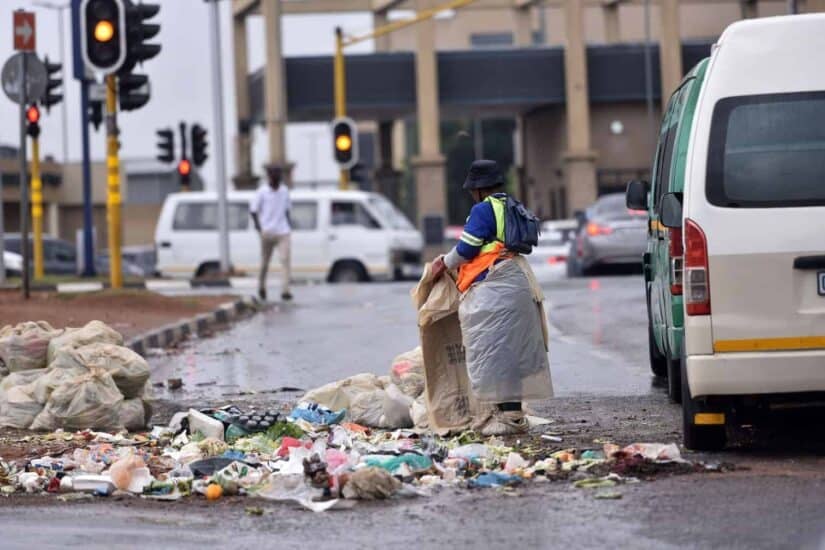
A Pikitup employee cleans next to Bara Taxi Rank in Soweto, 29 October 2025, after some heavy rains in Johannesburg. Picture: Nigel Sibanda/ The Citizen


There’s a fascinating distinction between national and local elections and it shows in their respective turnouts. Voter turnout on the national level trends significantly higher and it’s understandable; what the tax on liquor will be is far more important to many South Africans than who will be responsible for ensuring water is available the morning after.
But does it make sense? How much impact can a national legislature and executive have over five years and is it anything close to the impact local government will have on your life?
How many laws have been passed by this legislature and what regulations have been set by the GNU that you’ve really felt? Sure, local government can’t do anything about the petrol price but it seems, neither can national.

LIVE interactive map, latest news, multimedia and more!
View MapThe costs and benefits of being alive are closely linked to who is running your home town, so it’s strange that the electorate will be more galvanised for the national flavour of elections.
Though national elections are the stage where parties can argue about principles of economics, redress and land, none of that will matter when on the ground the money is redirected and stolen. It’s all good and well to have a national plan but it’s rarely the guys at the top who are tasked with executing it.
Among all the hurly burly of ideological battle in election time, one may also do well to consider how much of that fight is worth having if the process ends at the decision and long before execution.
Xenophobia is both abhorrent and easy to understand; if you spend election cycles promising redress and how you’re rigging the system to uplift the historically disadvantaged but then people feel that even the rigged system is benefitting the wrong people and their lives aren’t improving, they’re going to be angry.
Why they don’t take their anger out at the ballot box, I don’t know. Perhaps they don’t believe that it will have an impact. Perhaps directing anger towards African brothers is a more impactful statement in their eyes. Perhaps they’re feeling just as helpless as they did pre-94 and feel like there’s nowhere else to turn. Whatever the case, there’s this sense of unimportance of a local election and it’s non-sensical.
Just because this is rarely about ideology doesn’t make a local election any less important. It’s sad to admit but having the luxury of running water for weeks on end is increasingly exciting. Fewer things fill with joy than seeing a street light bulb being replaced, the rubbish being picked up on the right day and the local park’s lawn being mowed. Those have become rarities so when they do happen, though we are entitled to them, it’s exciting.
Anyway, it’s not like ideology has been at the political forefront ever. Were it the case, how the Tripartite Alliance survived for 36 years is worthy of a Wes Anderson film. How the GNU remains together is already worthy of a Cannes documentary.
If pragmatism trumps ideology, then citizens should be flocking to the polls. Yet the laissez-faire attitude seems to persist. The debate ends at the victory of the ideology and the implementation is left to whoever because what seems to be more important is the people who hold an ideology I like should be in power. Executing on that ideology is hardly as important.
While people are starting to realise that implementation is kind of important, it begs the question why that took so long. That will be interesting for scholars to debate in years to come but we have an election in a few months and it’s one where people are going to be asked to vote but an important subtext too will exist.
The question isn’t just who you will vote for. It will be whether you’re voting for them because you agree with their positions or whether you really think they will follow through.
Does agreeing with a party’s ideology even matter if they don’t deliver it?