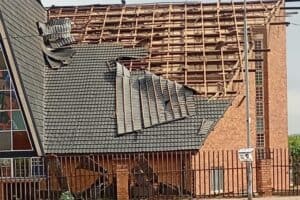
Heat and drought threatens summer rainfall areas as 2015-16 memory lingers with livestock starved crops withered and dams like deserts.
Picture: iStock


If there is an El Nino cloud with a silver lining – we don’t care. Any cloud in this approaching climatic disaster would be a silver lining in and of itself.
This year’s El Nino meteorological phenomenon is likely to be the worst on record, which is ominous for those of us in southern Africa who are so dependent on rain.
El Nino, as most of us know, brings heat and drought to mainly the summer rainfall areas of our country, although it can also cause rainfall disruptions which result in flooding.
In 2015-16, the last major El Nino to hit us, drought ravaged our agricultural industry. Livestock starved to death as grazing vanished, crops withered in the fields, producing pathetic yields and dams looked like deserts.
The silverish lining in all that was that it rammed home the message that farmers – and the industries around them – have to be prepared for these events ahead of time, rather than reacting after the fact.
Some experts believe those lessons have been learned and that many farmers will, therefore, be better able to cope.
Also in South Africa’s favour is the fact that the last two summer seasons have been part of the La Nina phenomenon – the opposite of El Nino, and where higher-than-average rainfall was recorded in many areas.
This has left dam levels high enough to tide us over, even if precipitation is dire. The good rains have also enabled the country to post record grain harvests and build up stockpiles so we shouldn’t have to import.
That means, of course, that basic foodstuff prices should be less affected than they might have been.
However, experts are warning that we cannot ignore what is coming over the horizon. It is going to be tough: hot, dry and hard on the wallet.