The group warns the protests were creating fear among foreign nationals, increasing social tensions and diverting police resources away from core crime-fighting.
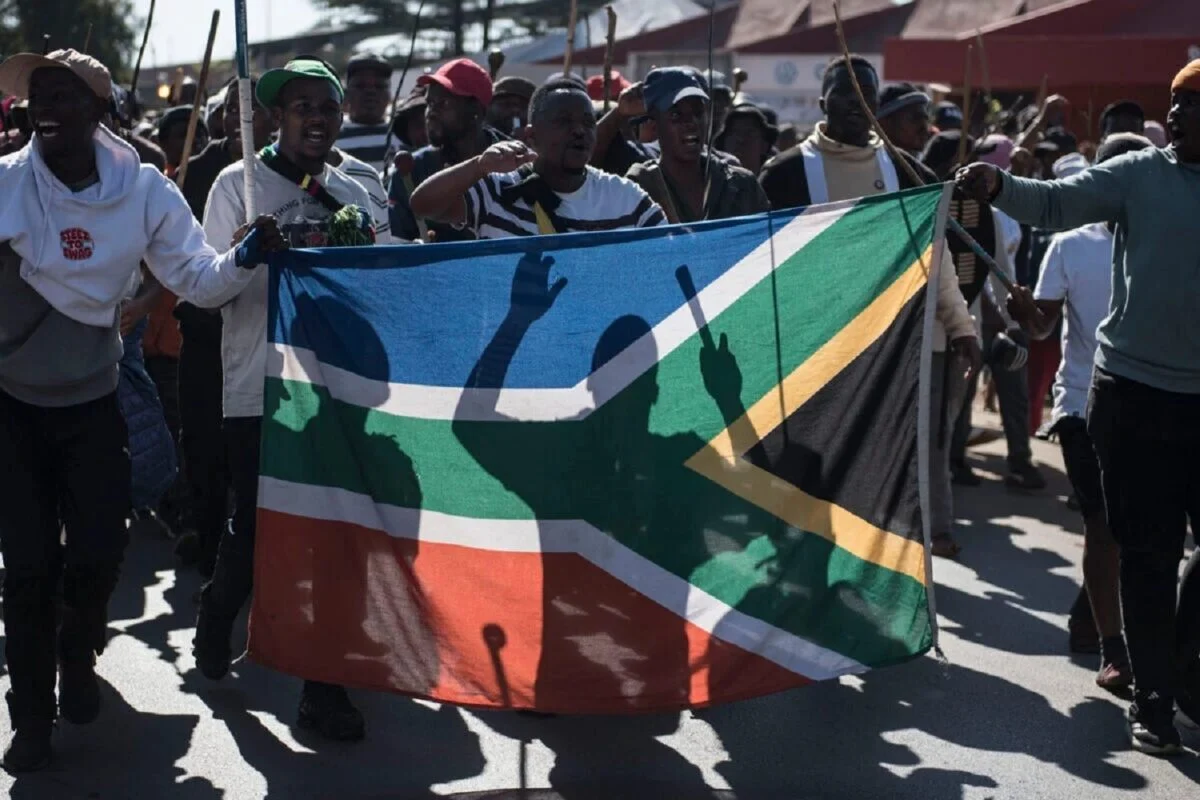
Soweto residents march through Soweto, 30 June 2026, protesting against undocumented immigrants during a nationwide anti-immigrant demonstration. Marches took place in major cities across South Africa as numerous organisations aligned with the “March and March” movement protested against the country’s large population of documented and undocumented foreign nationals. Picture: Michel Bega/The Citizen


The March and March movement has staged the most successful anti-illegal immigration demonstrations in SA yet, but organisations campaigning against xenophobia are also mobilising.
The Siyafana Sonke Action Campaign, a partnership of more than 160 organisations, including trade unions, community civic organisations and broader civil society formations, has criticised March and March’s decision to stage weekly demonstrations.
Coalition calls for a different approach
The coalition, which is raising funds to assist those displaced due to anti-migrant sentiments, warned the protests were creating fear among foreign nationals, increasing social tensions and diverting police resources away from core crime-fighting.
Instead, the alliance argued that government should prioritise implementing commitments made during its meeting with the Presidency on 25 June.
These include addressing the humanitarian crisis outside refugee reception offices and foreign consulates, prosecuting those inciting violence, ending the public victimisation of African migrants and developing long-term solutions to SA’s deepening socioeconomic challenges.
The organisation also announced plans to launch a nationally coordinated grassroots movement to counter xenophobia, ethnic mobilisation and other forms of discrimination.
Historical context shapes migration debate
Human rights lawyer Mametlwe Sebei said the current migration crisis cannot be understood without acknowledging the devastating legacy of apartheid SA’s military campaigns.
The current debate often overlooks SA’s role in destabilising neighbouring states that sheltered liberation movements during the anti-apartheid struggle.
“People say we don’t owe the people of this region anything,” Sebei said.
But had neighbouring countries not borne the military and economic costs of supporting the ANC in exile, SA’s democratic transition may have looked very different, he said.
“If the anti-apartheid struggle had been fought only inside SA, we might well have been the ones begging on the streets of those same countries today.”
Study highlights regional impact
A landmark study, South African Destabilisation, found that Pretoria’s military strategy extended far beyond direct combat, targeting transport corridors, power infrastructure, schools, clinics, villages and economic assets across southern Africa in an effort to weaken governments allied to the ANC.
The study estimates that Mozambique alone lost around 900 000 people through direct and indirect war-related deaths between 1980 and 1988, while more than 4.6 million people were displaced from their homes and over half the country’s population was left living below the absolute poverty line.
It showed the war reduced Mozambique’s economy to less than half of what it could have been under peacetime conditions.
Legacy continues to shape migration
Angola suffered similar devastation.
The report estimates that almost 500 000 people died directly or indirectly as a result of the conflict between 1980 and 1988, more than 1.5 million people were displaced, and economic losses exceeded $30 billion (about R487 billion) as the country diverted vast resources to defence while transport networks, agriculture and public services were systematically disrupted.
“The people we see migrating to SA today are, in many cases, descendants of communities that bore the brunt of those wars,” Sebei said.