Government criticised for allocating more money to VIP protection than to specialised policing combating GBV and crimes against women and children.
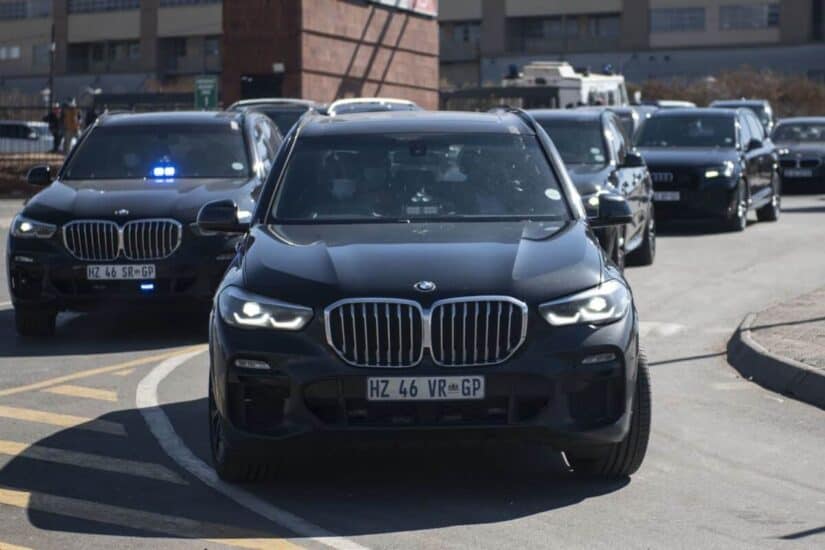
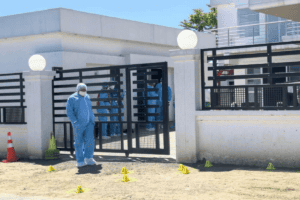
Picture for illustration: Michel Bega


The government has been criticised for allocating more money to VIP protection than to specialised policing aimed at combating gender-based violence (GBV) and crimes against women and children.
Ian Cameron, chair of parliament’s portfolio committee on police, said the specialised Family Violence, Child Protection and Sexual Offences (FCS) policing environment receives about R1.614 billion, compared with about R2.46 billion allocated to VIP Protection Services.
VIP protection gets R2.46bn while GBV units get R1.6bn now
The difference is about R846 million.
Teddy Bear Foundation clinical director Shaheda Omar said one aspect that is frequently overlooked is prevention.
“We cannot police our way out of GBV,” she said.
Omar said greater investment was needed in prevention programmes that work with boys and girls before violence occurs, including positive parenting, healthy relationships, consent and boundaries.
She said this should include programmes addressing harmful sexual behaviour among children, interventions with young people displaying violent or sexually harmful behaviour, school-based prevention initiatives and community programmes challenging the normalisation of violence.
Greater investment is needed
“This is particularly important because the state has itself identified prevention and positive masculinity as priorities in addressing GBV,” she said.
Omar added children should not be treated as collateral victims of gender-based violence.
“When a mother is murdered, abused or forced to live in fear, her children are affected,” she said.
“They may witness violence, lose a caregiver, experience displacement, develop trauma or become vulnerable to further exploitation. Protecting women also means protecting children.”
She cautioned against framing the issue simply as “VIPs versus women and children”, saying this could become unnecessarily polarising.
Omar cautions against VIPs vs women and children framing
“The more important principle is proportionality, transparency and public accountability,” she said.
“The government must be able to explain why resources are allocated to particular areas, what outcomes those resources produce and whether spending reflects the country’s declared priorities.”
Omar said if GBV and femicide were genuinely regarded as a national crisis, that urgency should be reflected in resources available to police officers investigating rape, social workers supporting victims, forensic practitioners collecting evidence, prosecutors handling cases and services helping families recover.
“Ultimately, budgets are statements of priorities. When we talk about protecting women and children, we should ask a very simple question: are we putting the resources where the vulnerability is greatest?
“We cannot say that GBV and femicide are a national crisis and then fail to ensure that the specialised services dealing with the victims of that crisis have the resources they need.
GBV declared national disaster but govt hasn’t put money where its mouth is
“A budget is not just an accounting document – it is a statement of what and who we choose to protect.”
Robyn Wolfson Vorster, child protection expert and founding director of For The Voiceless, said: “Although violence against women and children was declared a national disaster in November 2025, the government’s budgetary response indicates that it is yet to put its money where its mouth is.
“Practically, the inadequacy of the FCS unit budget has resulted in service gaps and a disparity in the way those services are delivered across provinces and regions.”