
SAA allegedly had to tanker fuel into Durban after the airline was reportedly refused refuelling, raising fresh questions.
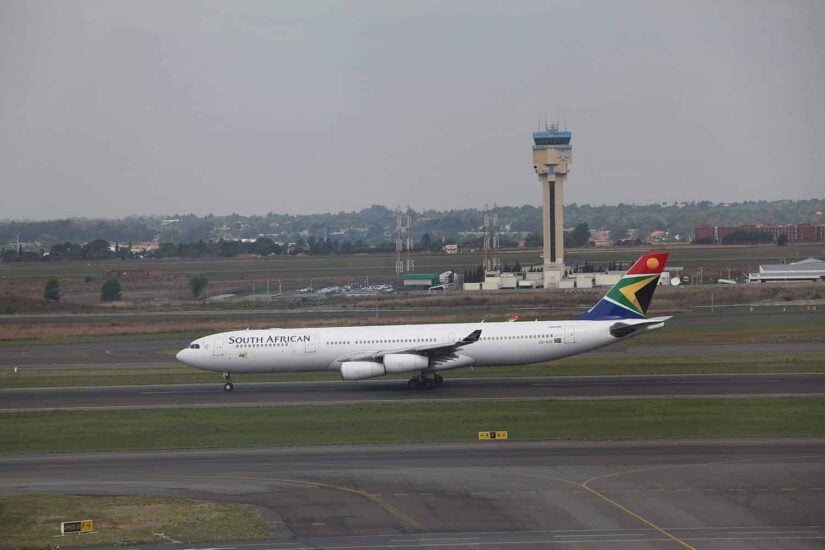
An SAA plane at OR Tambo International Airport. Picture: Gallo Images


South African Airways (SAA) has allegedly been forced to tanker jet fuel into Durban after pilots were reportedly refused fuel at King Shaka International Airport, raising fresh operational questions for the state-owned carrier weeks after one of its flights came under scrutiny for approaching minimum fuel during a diversion.
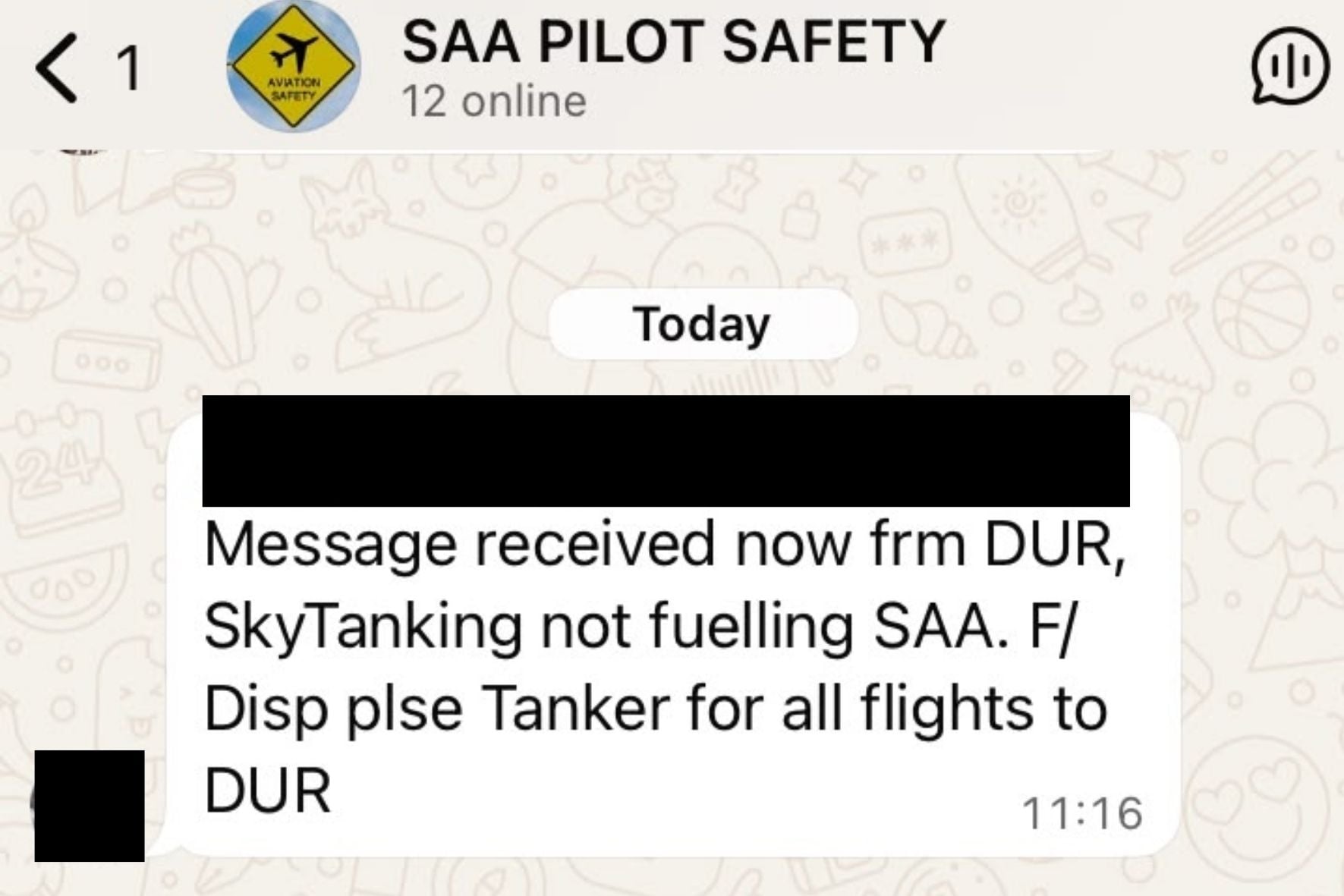
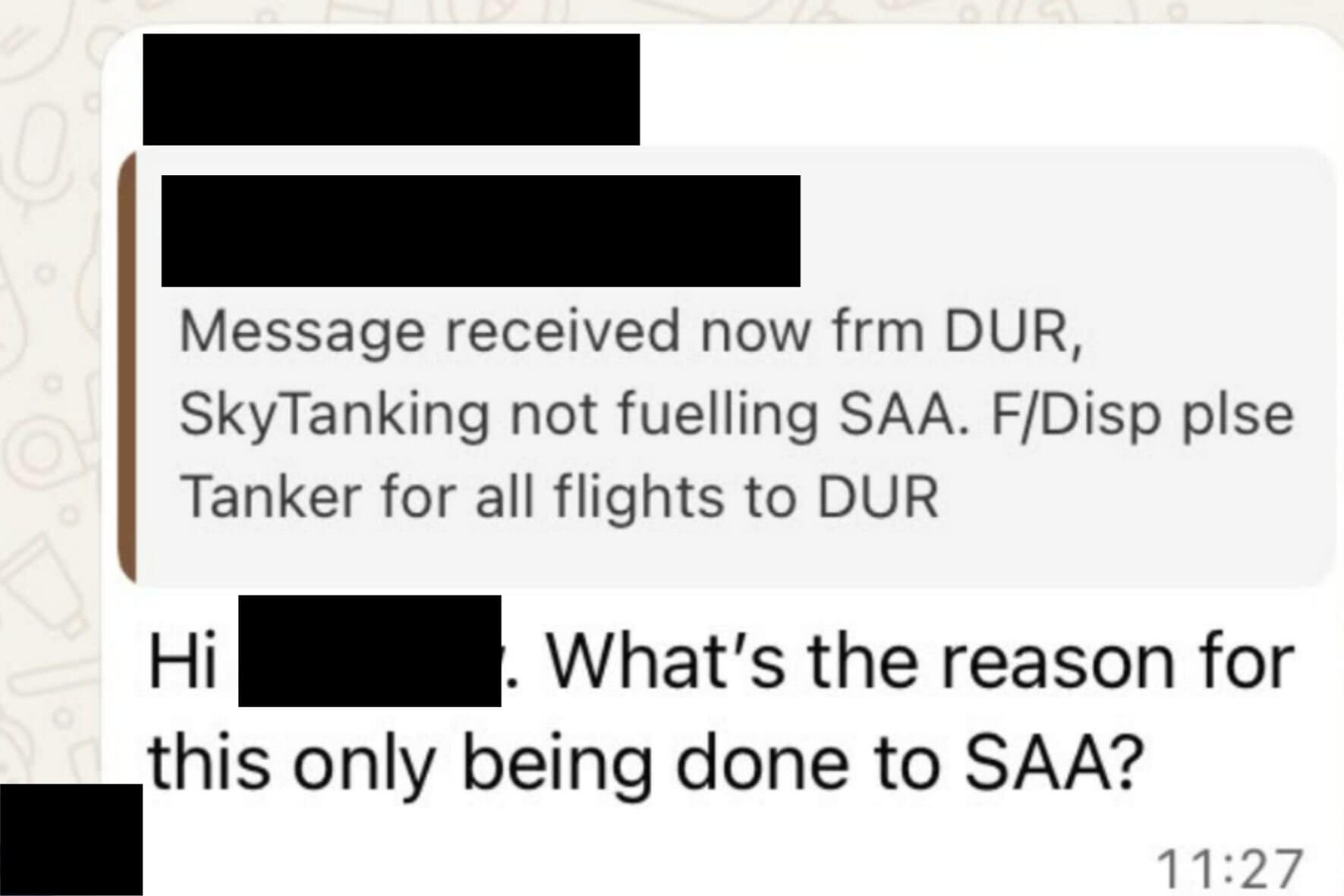
Sources inside the airline told The Citizen that flight crews were informed that Durban-bound flights departing Johannesburg and Cape Town must carry sufficient fuel to return because aircraft were allegedly unable to refuel at King Shaka.
Pilots who attempted to refuel in Durban were allegedly told no jet fuel was available to SAA, despite other airlines confirming that they were continuing to uplift fuel without interruption. There is only one aviation fuel supplier at King Shaka International Airport.
No jet fuel for SAA
An SAA pilot said the arrangement could create operational complications should an aircraft unexpectedly divert to Durban without carrying enough fuel to depart again. “When something happens and there’s not enough fuel on board to leave Durban again after diverting, what exactly are we going to be able to do?” the pilot said.
Tankering, a practice where aircraft carry additional fuel from their departure airport instead of purchasing it at their destination, is not uncommon in commercial aviation. However, industry sources said the alleged current conundrum at SAA may stem from commercial or contractual disputes.
The airline denied the allegations on Friday.
SAA spokesperson Mphilo Dlamini said: “Your enquiry seems to propagate an incorrect assumption and narrative that SAA has a fuel supply issue, which is completely untrue.”
The internal WhatsApp messages seen by The Citizen tell a different story.
“Having said that,” Dlamini added, “we want to state clearly that SAA does not discuss its internal operational matters through the media.
“As we speak, operations continue as scheduled and in accordance with all applicable safety and regulatory requirements. We would therefore caution against the expectation that SAA must deal with all its operational matters through the media.”
Pay-as-you-go for fuel?
SAA did not respond to a question about whether the airline was forced to purchase fuel on a pay-as-you-go basis.
The latest allegations emerge against the backdrop of growing scrutiny surrounding the airline’s operations and governance over recent months.
In April, The Citizen reported that the airline faced uncertainty after the abrupt resignation of chief executive Professor John Lamola, three board members and, earlier, chief financial officer Lindsay Olitzki. Staff described the airline as facing “big headwinds”, while aviation commentators questioned whether SAA was once again entering a period of instability.
Organisation Undoing Tax Abuse (Outa) chief executive Wayne Duvenage at the time linked the leadership upheaval to growing questions surrounding the airline’s financial reporting and governance, while aviation analyst Guy Leitch warned the appointment of an acting chief executive with no aviation experience reflected poor succession planning.
SAA’s divert and low fuel fiasco
Only weeks later, another SAA flight attracted attention after an Airbus A330 diverted to Gqeberha during severe weather while reportedly approaching minimum fuel reserves before landing safely.
Although aviation experts stressed that South Africa remains among the safest aviation jurisdictions in the world, The Citizen also previously highlighted several operational incidents involving both SAA and the aviation regulator that have continued to attract scrutiny despite the country’s strong International Civil Aviation Organisation audit performance.
Those incidents included the 2021 Brussels alpha floor event, an engine surge on an Accra-to-Johannesburg flight in 2022 and questions surrounding the reporting and investigation of significant aviation occurrences.
The latest allegations differ from those earlier incidents because they centre not on an in-flight technical event but on the airline’s ability to obtain fuel at one of South Africa’s busiest airports.
Should the allegations be confirmed, aviation experts said the issue would have implications beyond ordinary commercial operations, particularly if aircraft required unscheduled diversions or additional fuel because of changing weather or operational disruptions.