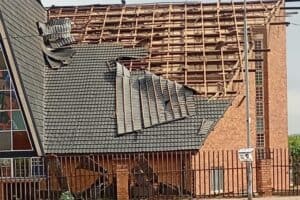
Leaders caution against ignoring citizens' frustrations.
Image: iStock.


The South African Council of Churches (SACC) has called on antiimmigration activists to stop threatening foreigner-led churches operating in the country.
SACC was responding to The Citizen‘s questions regarding a video clip circulating on social media in which anti-immigration activist Nkosikhona Ndabandaba, together with another man speaking in Zulu, reportedly called on an urgent meeting to discuss a strategy to shut down the churches.
Ndabandaba could be heard saying: “Just thank God that I am not in power. If I can get a little bit of power in a period of 12 months, I will stop all this nonsense.”
Also, in the video, his fellow activist was giving out a phone number, asking people to attend a meeting in Durban to discuss the matter.
It is not clear whether the meeting was held on Saturday, as The Citizen sent questions to one of the most vocal leaders of the antiimmigration protests, Ngizwe Mchunu, but he had not responded by the time of publication.
Churches operating in the country that could be targets include the Universal Churches, Spirit Embassy, Jehovah’s Witnesses, Assemblies of God, Seventh-Day Adventists, Roman Catholic and Anglican.
The Citizen sent questions to some of the churches listed on the video clip, but they were reluctant to comment.
Calls for dialogue
SACC archbishop Sithembele Sipuka condemned the intimidation of churches and said there was a need for peaceful talks instead of shutting down the churches.
“Let our churches at all levels host and support honest dialogue that brings together local residents, foreign nationals and their organised formations, businesspeople and their organised formations, and the authorities,” said Sipuka.
“Such dialogue must hear the genuine grievances of communities, it must call wrongdoers of every nationality to account and it must also confront businesses that employ foreign nationals to pay them less and to evade fair wages and labour obligations.
“To spare the exploitative employer would be to leave the wound half-cleaned. We further encourage engagement with sister councils of churches across the [Southern African Development Community] region, recognising that migration is a regional challenge requiring regional solidarity, cooperation and understanding.”
Public frustrations
The archbishop said at the same time, the SACC acknowledged that many South Africans who have participated in protests are expressing genuine frustrations about unemployment, crime, poor service delivery, economic exclusion and a perceived lack of government responsiveness.
He cautioned against dismissing these concerns, saying lasting solutions can only be found when communities are listened to respectfully and honestly.
“The church believes that real grievances deserve to be heard, but that no grievance can justify violence, intimidation, vigilantism or the targeting of innocent people on the basis of their nationality,” he said.
African Diaspora Forum (ADF) spokesperson Bongani Mkwananzi said: “ADF rejects xenophobic ultimatums and any attempt to target people simply because they are foreign nationals.
“At the same time, we cannot ignore a growing public concern about the proliferation of certain self-styled prophets, bush churches and religious organisations that appear more focused on making money from vulnerable people.”
Mkwananzi said anyone found exploiting people, engaging in fraud or operating outside the law should be held accountable regardless of their nationality.
The anti-immigration group, March and March, has given foreign nationals until the end of this month to leave the country, something which President Cyril Ramaphosa has assured the nation no-one would be allowed to do.
However, several countries, including Ghana and Malawi, have repatriated some of their citizens, most of whom were in the country illegally.