


Saps in Eastern Cape has investigated the bomb threat involving an aircraft at King Phalo Airport and found it was a false alarm.
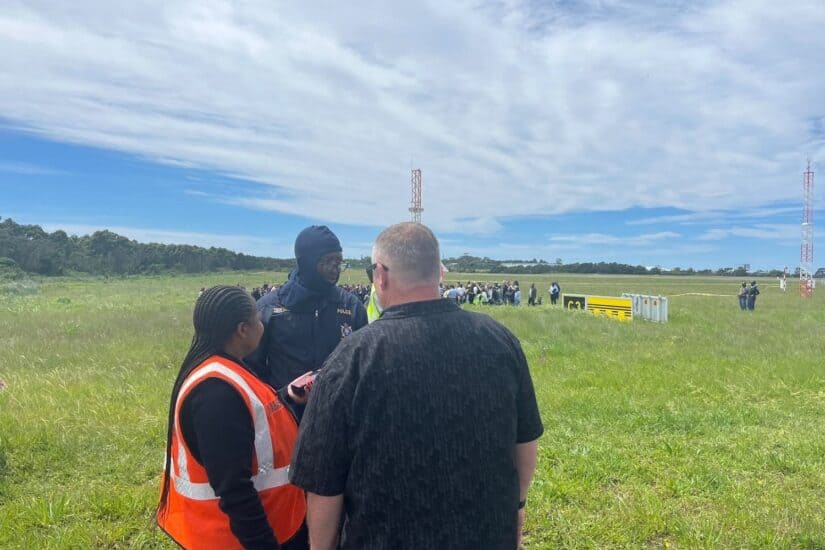
Police said no explosives, explosive devices, suspicious objects or hazardous materials were found after a systematic search. Picture: Saps


The South African Police Service (Saps) in the Eastern Cape has investigated a bomb threat involving an aircraft at King Phalo Airport in KuGompo City and found it was a false alarm.
Earlier on Wednesday, a bomb threat triggered a major security operation at the airport after someone reported a threat on an aircraft carrying 184 passengers.
Bomb threat reported in call from unknown number
The airport’s passenger information desk received a call from an unknown number claiming that there was a bomb on the plane.
King Phalo Airport subsequently informed the Saps’ KuGompo explosives unit, and upon arrival, airport security briefed bomb disposal members.

Authorities activated a multidisciplinary response, including bomb disposal experts, K9 explosive detection dogs, airport security, a hostage negotiator, the fire department and emergency medical services.
All 184 passengers, pilots and cabin crew safely disembarked from the aircraft.
“A systematic search of the aircraft and luggage was conducted. No explosives, explosive devices, suspicious objects, or hazardous materials were found,” the Saps said on Wednesday afternoon.
No explosives, explosive devices, suspicious objects or hazardous materials found
Authorities declared the scene clear and handed it back to airport security.
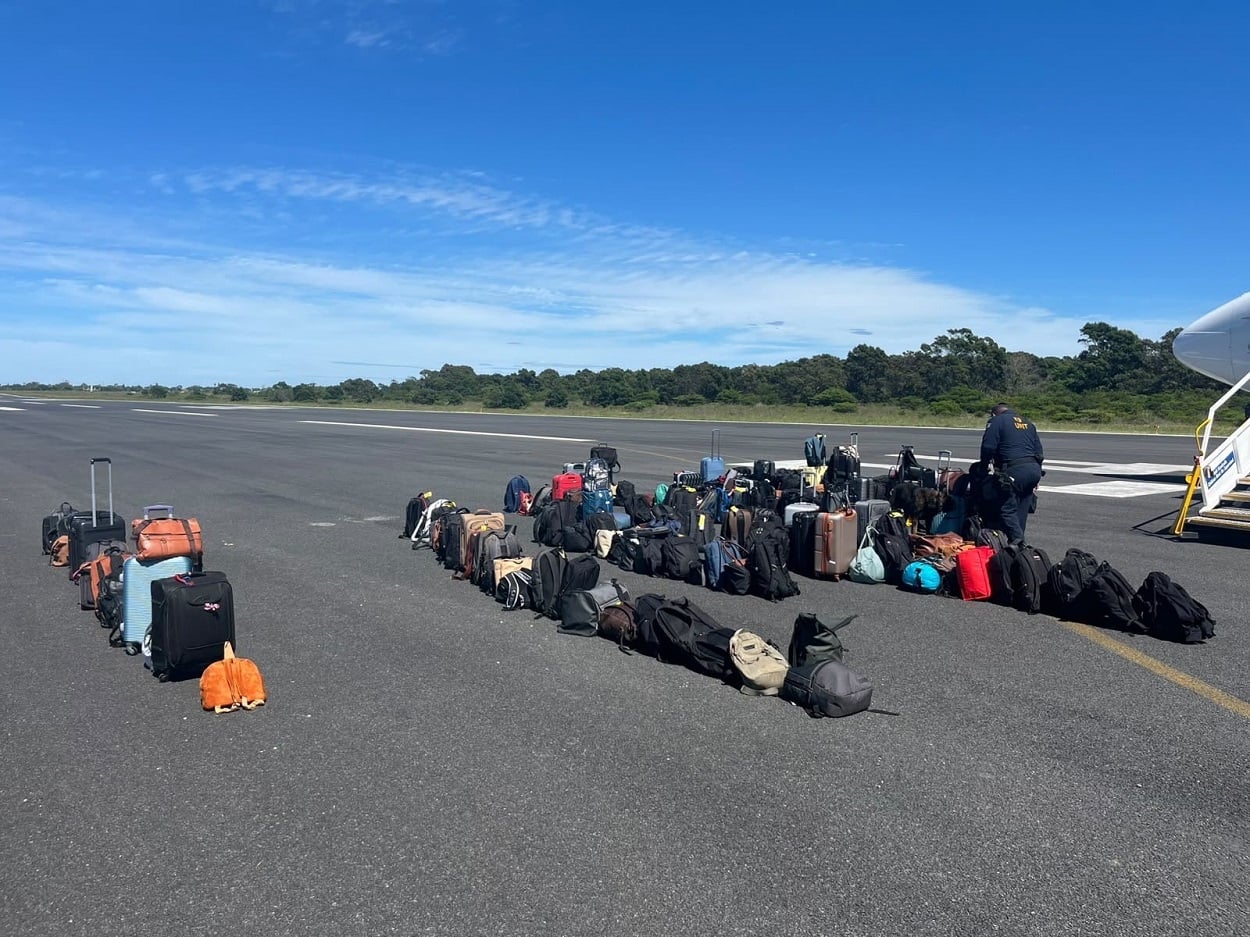
Saps confirmed that it had registered a case of contravention of the Explosives Act, Act 26 of 1956, section 27(1A)(a). The ongoing investigation aims to trace the anonymous caller.
“The Saps reminds the public that making a false bomb threat is a serious criminal offence, carrying a potential sentence of up to ten years’ imprisonment.
“The public is urged not to speculate and to allow security agencies to conduct their work without interference,” police said.



