520 ambulances deployed and more than 1 000 staff per shift as emergency calls expected to rise by up to 40%.
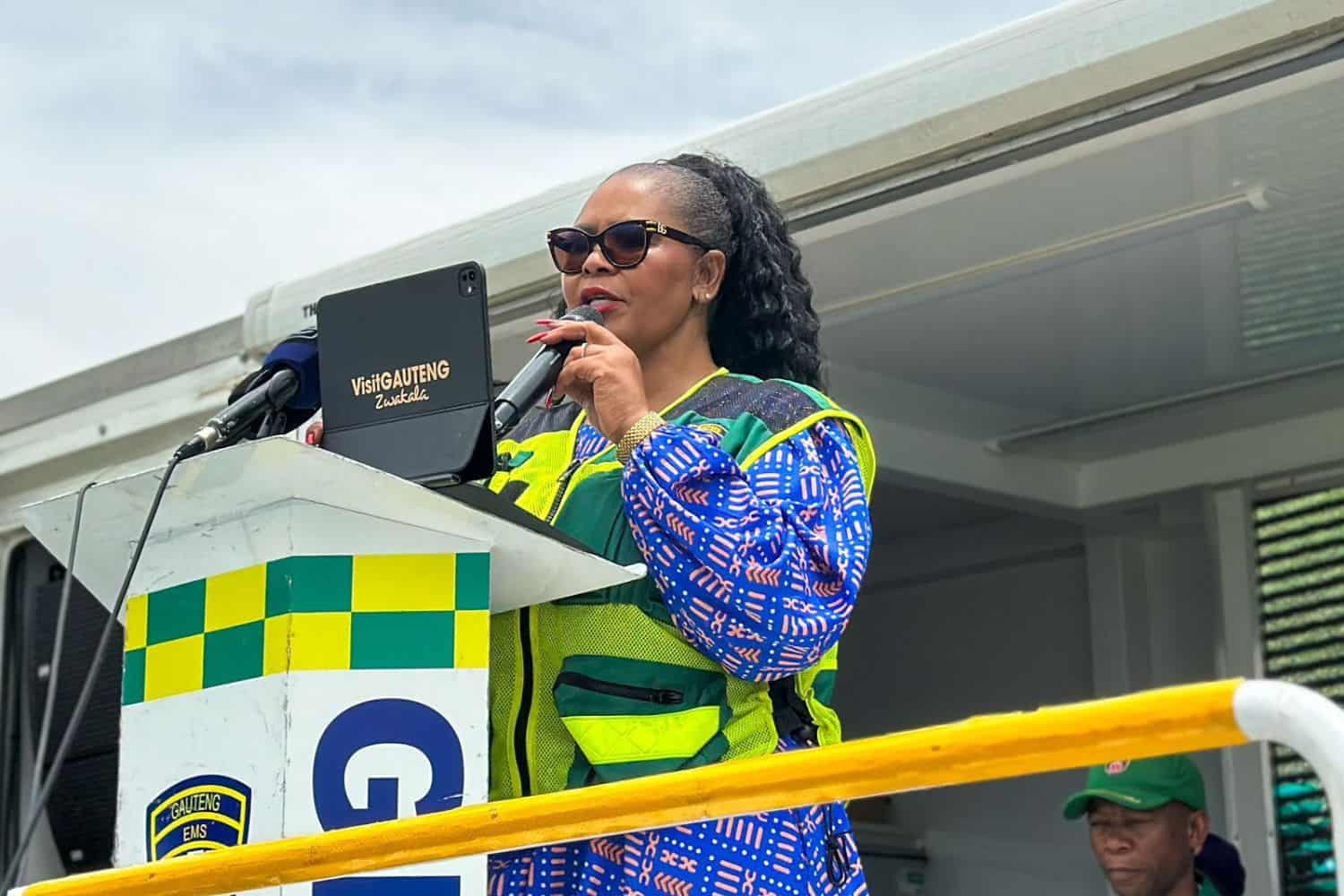
Image: Gauteng Health


The Gauteng Department of Health has unveiled plans to handle the anticipated surge in medical emergencies during the festive season, with officials warning that emergency calls typically increase by 25% to 40% during this period.
Speaking at the N3 Petroport in Heidelberg on Friday, Gauteng MEC for Health and Wellness Nomantu Nkomo-Ralehoko outlined the province’s readiness strategy for the period running from 1 December 2025 to 12 January 2026.
She said the department has identified road traffic collisions, mass gatherings and increased incidents of violence and trauma as key risk areas requiring heightened preparedness.
“As we gather here today, we stand at the threshold of the festive season, a time that brings heightened demands on our healthcare system,” Nkomo-Ralehoko added.
“It is our duty to ensure that our health services are ready to meet these challenges and safeguard the well-being of our communities.”
Hospital and clinic preparedness
According to the MEC, all hospitals and clinics across Gauteng’s five district health services are positioned to handle the expected increase in demand, with proactive measures in place to ensure adequate resource allocation.
She said the department will maintain normal operations at all 24-hour Community Health Centres throughout the festive period to guarantee continuous access to essential medical care.
“We will be actively monitoring staffing levels and pressure points, ensuring that all our health facilities are adequately capacitated to effectively handle any emergencies.”
Meanwhile, the Medical Supplies Depot has committed to closely tracking stock levels at all facilities and responding swiftly to emerging needs, ensuring that life-saving and essential medicines remain available throughout the season.
“I strongly encourage all residents, particularly those receiving treatment, to keep their appointments and prioritise their care during this busy season, as maintaining regular treatment is essential for their wellbeing,” the MEC stated.
ALSO READ: Tshwane boosts safety ahead of festive season
Emergency medical services deployment
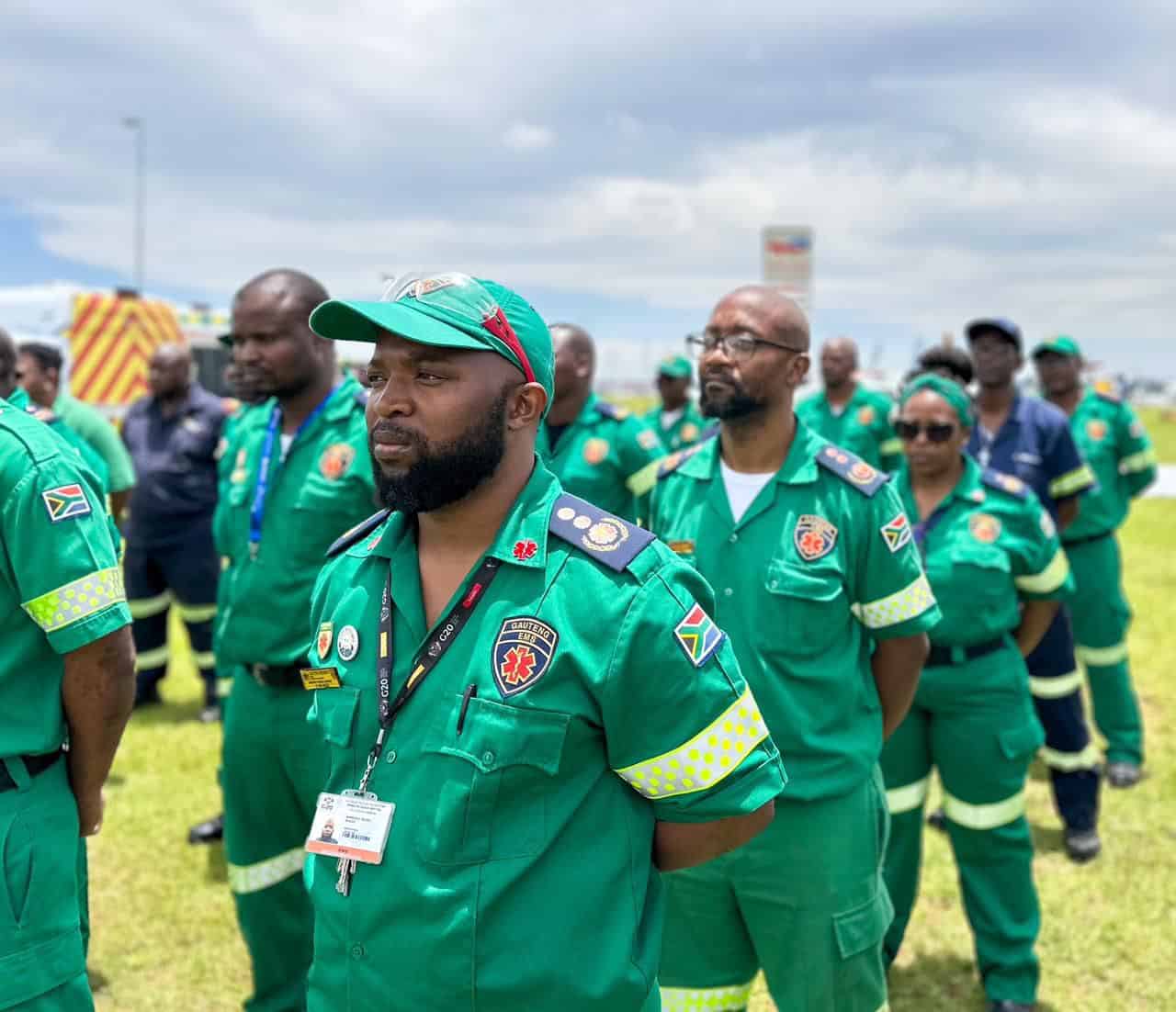
The department has deployed 520 emergency ambulances alongside a range of specialised vehicles, including ICU units, response vehicles, planned patient transport, rescue services and disaster buses.
“In emergency cases, every second counts and our dedicated team of 1 028 staff members per shift are ready to respond to calls in an effort to save lives,” Nkomo-Ralehoko said.
Nkomo-Ralehoko added that the Provincial Health Operations Centre has been equipped to monitor call volumes, track emergency response times, handle hospital diverts, track emergency vehicle movements and monitor daily operational strength across all five districts.
The centre will coordinate with the South African Police Service Provincial Joint Operations Centre to ensure comprehensive monitoring of Red Zones, emergency vehicle status, and hospital transfers.
Support for emergency personnel
Recognising the traumatic experiences faced by emergency response teams, the department has arranged psychosocial support services for paramedics and other first responders.
The MEC emphasised the need for communities to protect health workers who face threats in the course of their duties.
“Our emergency response teams often encounter traumatic experiences while performing their duties, and one of the most concerning challenges they face is the threat of attacks,” she said.
“As a community, we must stand together to protect our health workers, particularly our paramedics and emergency responders.”
Forensic pathology services
Furthermore, all 11 Forensic Pathology Service offices across Gauteng will remain open throughout the festive season, equipped with backup generators to ensure uninterrupted service during power disruptions.
A total of 48 pathologists and 102 forensic officers will be on standby, supported by sufficient medical supplies and consumables.
“We have deployed 68 response vehicles, including newly procured multi-body-carrier vehicles, positioned to handle fatalities promptly,” the MEC added.
She said officials will monitor all admitted cases hourly at the provincial level to assess space availability and prevent backlogs or delays in conducting postmortems.
In the event of mass fatalities, the Diepkloof and Ga-Rankuwa facilities have been designated as disaster centres, fully prepared to manage such emergencies. “Our normal autopsy services will also continue without interruptions.”
ALSO READ: These are the anticipated busiest days to travel this festive season
Clinical forensic medicine services
Anticipating a troubling rise in violence cases, including gender-based violence, domestic violence and intimate partner violence, the department has positioned 18 Clinical Forensic Medical Services centres to operate 24 hours daily.
Additional centres, including Daveyton, Dr Yusuf Dadoo, Tsakane, Bekkersdal, Discoverers in Florida and Lenasia South, will operate for 10 to 12 hours each day.
Diepsloot, Zamokuhle in Zola, and Stratford in Orange Farm will be available for eight hours daily, with cases arising in these areas receiving seamless referrals to nearby facilities that provide 24-hour services.
Public safety appeal
In line with the national health awareness calendar’s designation of December as Injury Prevention Month, health officials have urged the public to prioritise safety during festive celebrations.
The MEC urged road users to abide by traffic rules to minimise loss of life, and called on those who are intoxicated to refrain from altercations that may result in fatalities.
“While we remain committed to providing essential services, it is our wish that no lives can be lost this festive season,” Nkomo-Ralehoko said.
“Let us be vigilant and follow safety guidelines to reduce the number of injuries and ensure a healthier, safer environment for everyone.”
NOW READ: High Court upholds Gauteng Health’s appeal in Cancer Alliance matter