More than 100 000 African migrants were forced to flee or were deported from South Africa amid a wave of anti‑immigrant pressure.
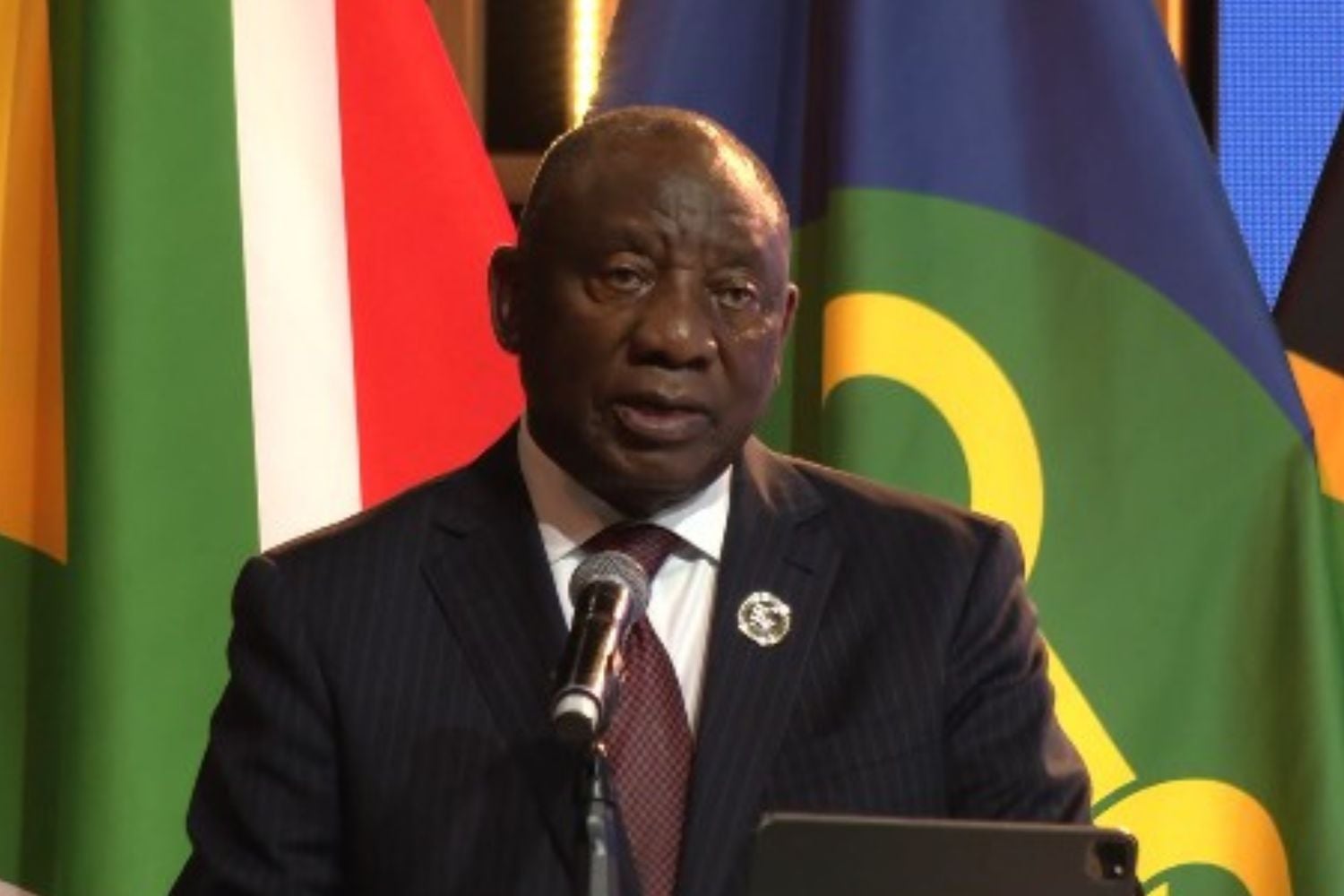
Ramaphosa closed the 46th SADC Summit in Durban on Monday, 17 August 2026. Picture: GCIS


President Cyril Ramaphosa says the issue of migration in the region was discussed behind closed doors at the Southern African Development Community (SADC) Summit, saying leaders “expressed regret at what has befallen South Africa as a country.”
Ramaphosa closed the 46th SADC Summit in Durban on Monday, 17 August 2026.
SADC Chairmanship
He formally assumed the chairmanship of SADC, as regional leaders gathered in Durban for the bloc’s 46th Ordinary Summit.
Ramaphosa takes over the rotating leadership from Zimbabwean President Emmerson Mnangagwa and is expected to chair the 16-member regional organisation for the next 12 months.
The summit, which brought together heads of state and government, reviewed progress on the Regional Indicative Strategic Development Plan and SADC Vision 2050.
Discussions
Leaders discussed peace and security challenges in the Democratic Republic of Congo, northern Mozambique, and Madagascar, reaffirming their commitment to dialogue, constitutionalism and multilateral cooperation.
The summit was preceded by SADC Industrialisation Week, ministerial meetings and a public lecture on regional integration, laying the foundation for deliberations.
Migration
Ramaphosa said South Africa shared an update about migration in the country.
More than 100 000 African migrants were forced to flee or were deported from South Africa amid a wave of anti‑immigrant pressure, workplace raids, and street protests that intensified around a July deadline set by activist groups – a mass exodus condemned by human rights organisations, regional leaders, and foreign governments.
“We also express regret at what has befallen us as a country. We express the wish that we should all work together to address the challenge of migration. At this Summit, South Africa took the opportunity to brief fellow member states honestly and openly on the complex challenge of migration,” Ramaphosa said.
“We expressed our gratitude for the solidarity and understanding shown by countries in the region, even as we acknowledged the difficulties our nation has faced and continues to face. We emphasised the need for unity and cohesion in addressing migration, recognising that it is not an easy issue but one that demands collective solutions,” he said.
Tangible results
The president made a powerful appeal to leaders to move beyond resolutions and deliver tangible results that improve citizens’ lives across the region.
“Our citizens will ultimately judge us not by the number of resolutions we adopt, but by the difference those resolutions make in their daily lives,” Ramaphosa declared, urging governments to accelerate implementation of agreed strategies.
Ramaphosa placed industrialisation at the centre of South Africa’s chairship of SADC, describing it as the key to unlocking jobs, beneficiation, and competitive value chains.
“Industrialisation is not an end in itself. It is the means through which we must create jobs, expand productive capacity, beneficiate our minerals, strengthen agriculture, and agro‑processing, develop new technologies and build competitive regional value chains,” he said.
Mineral wealth
He emphasised the need to harness the region’s mineral wealth, agricultural potential, renewable energy resources, and youthful population.
“Our task is to convert these endowments into factories, farms, enterprises, skills, exports and jobs,” Ramaphosa told delegates.
Infrastructure
Infrastructure development will be a major focus, with plans to revitalise railways, modernise ports and operationalise one‑stop border posts.
“A truck carrying goods across Southern Africa should not spend days waiting at a border. Our borders must facilitate legitimate trade and movement while maintaining effective security and customs controls,” he said.
Energy
Energy access was another priority, with Ramaphosa committing to increase electricity coverage to at least 85 percent by 2030.
“Without efficient infrastructure, there can be no competitive regional economy. Without reliable energy, there can be no sustainable growth,” he warned.
Water
Ramaphosa also pledged urgency in expanding access to clean water and sanitation, describing such investment as essential to human dignity and economic opportunity.
Ramaphosa announced that the SADC Regional Development Fund will be operationalised to strengthen financing for regional priorities.
He stressed that member states must mobilise their own resources to fund development goals, while also building partnerships with international financial institutions, development partners, and the private sector.