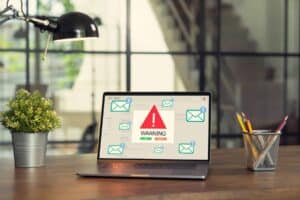
The Film and Publications Board also warned against clicking on suspicious links, as online scams become increasingly sophisticated.
Picture: iStock


The Film and Publications Board (FPB) has urged South Africans to strengthen their online security, warning that simple habits such as reusing passwords and clicking suspicious links could leave their personal information vulnerable to cyber threats.
The call comes as South Africa joins the international community in observing Cybersecurity Awareness Month in October under the theme “Don’t Make It Easy for Them”.
The campaign focuses on promoting digital safety and protecting personal data, with the FPB highlighting four practical steps the public can take to reduce their exposure to cyberattacks.
“While that sounds like a technical topic for IT professionals, the truth is that staying safe online is now a basic life skill for all of us – just like looking both ways before crossing the street,” the board said.
“You don’t need to be a computer genius to protect yourself. You just need to build a few good habits.”
Why reusing passwords is a risk
The FPB warned people against using the same password for multiple accounts, including email, banking and social media platforms.
If hackers obtain one password, they may attempt to use it to access other accounts belonging to the same person.
The board advised the public to create a unique password for every account and consider using a password manager app to store passwords securely.
It compared password protection to personal hygiene, advising people to treat their passwords like toothbrushes rather than sharing them with others.
The FPB also encouraged people to activate two-factor authentication (2FA), which adds another layer of security when logging into online accounts.
The process may require users to enter a verification code sent to their phones after providing their passwords.
“This means that even if a hacker steals your password, they will still need the verification code sent to your phone to access your account,” the board explained.
It recommended enabling the feature on email and banking applications.
Suspicious links could expose personal information
The board also warned against clicking on suspicious links, as online scams become increasingly sophisticated.
Fraudulent messages may claim that a parcel has been delayed or that an account has been locked, prompting recipients to click on a link or provide personal information.
Although these messages may appear legitimate, the links could be designed to steal sensitive information.
The FPB advised people to check the sender’s email address before responding to suspicious messages.
“If the address looks suspicious, delete the message. When in doubt, visit the official website directly instead of clicking on the link,” it said.
It encouraged users to verify messages independently rather than relying on links contained in unsolicited communications.
Ignoring software updates can leave devices vulnerable
The FPB further urged the public to install software updates promptly, warning that postponing them could leave phones and laptops exposed to cyber threats.
Software updates frequently include security fixes designed to protect devices against cyberattacks.
The board said people should install updates when prompted instead of repeatedly delaying them.
It emphasised that online security does not require advanced technical knowledge, but rather consistent precautions when using digital platforms.
“Cybersecurity is not about being paranoid but about being prepared,” the FPB said.
The board encouraged individuals to adopt the recommended habits to protect their personal information and contribute to a safer online environment for others.