Experts say South Africa can win battle against cancer with more public hospitals of Steve Biko calibre.
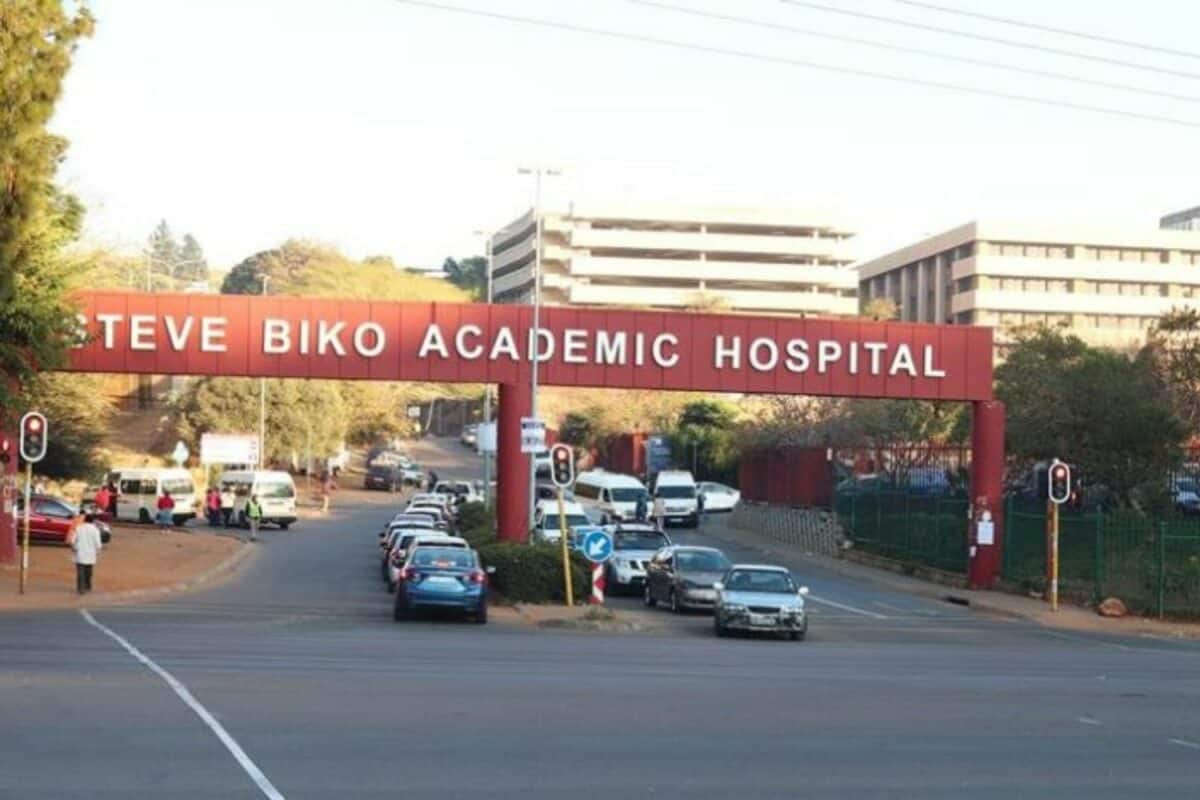
Steve Biko Academic Hospital. Photo: Ron Sibiya/Pretoria Rekord


With more public hospitals of the calibre of the Steve Biko Academic Hospital in Pretoria, South Africa can win the battle against cancer, say experts.
Health Minister Dr Aaron Motsoaledi said recently the nuclear medicine facility under Prof Mike Sathekge, which treats prostate and breast cancer, is respected worldwide.
Steve Biko Hospital nuclear medicine facility respected worldwide
“There was a time when about 40% of patients treated there were referred by private hospitals because they couldn’t do that work. In 2017, 50 patients were referred to the facility from Europe,” he added.
Cancer activist Salomé Meyer said: “This internationally recognised centre provides access to advanced nuclear medicine technologies for the diagnosis and treatment of cancer, including therapies not widely available elsewhere.”
Meyer said it was important to recognise that the South African public health sector continues to lead in several highly specialised technologies.
Facilities such as the advanced Nuclear Medicine Research Infrastructure require enormous capital, highly specialised expertise and sustained public funding, added Meyer.
“For many of these services, the cost of establishing and maintaining equivalent facilities would not be financially viable for private hospital groups, particularly given the relatively small number of patients requiring these treatments,” she said.
She said the real challenge is not the quality of specialist cancer care available in the public sector, but access to it.
Real challenge not quality of specialist cancer care but access
“South Africa’s public health system serves approximately 86% of the population via only 11 dedicated radiation oncology centres, while the private sector serves roughly 14% of the population yet has access to about 80% of the country’s oncology specialists and much of the advanced equipment,” said Meyer.
Meyer commended the standard of oncology care delivered within public specialist centres, which she said was generally high.
“The greatest challenges lie earlier in the patient’s journey – timely diagnosis, referral pathways, workforce shortages, long waiting lists, and treatment delays.
“These systemic pressures often shape patients’ experiences and explain why complaints about service delivery arise, despite the presence of world-class clinical expertise and technology.”
According to the activist, a recent imPACT review conducted jointly by the International Atomic Energy Agency, International Agency for Research on Cancer and the World Health Organisation identified the strengths and gaps in SA’s cancer services.
“Its recommendations will help inform a comprehensive national cancer control plan, together with an appropriate long-term investment strategy,” she said.
Diagnosis delays and workforce shortages, activist warn
“As SA moves towards more equitable cancer care, strengthening collaboration between the public and private sectors will be essential,” added Meyer.
Trudy Khumalo, from Women Against Cancer, said while SA’s public health sector has highly specialised facilities and expertise, this “does not automatically mean every patient will receive good-quality service”.
“Cancer care is not only about the availability of sophisticated equipment; it also depends on staffing levels, waiting times, availability of medicines, maintenance of equipment, administrative systems, communication with patients and the overall capacity of the health facility.”
Khumalo added a hospital can have world-class equipment and specialists while patients still experience long waiting periods, overcrowding, poor communication or hassles accessing services.
The country needs more public hospitals and specialised oncology centres with the capacity of institutions such as Steve Biko, particularly outside major urban centres, Khumalo said.
She said government should celebrate the expertise that exists in public hospitals while tackling the service challenges patients face.