



Concern remains over Pretoria's response to the attacks
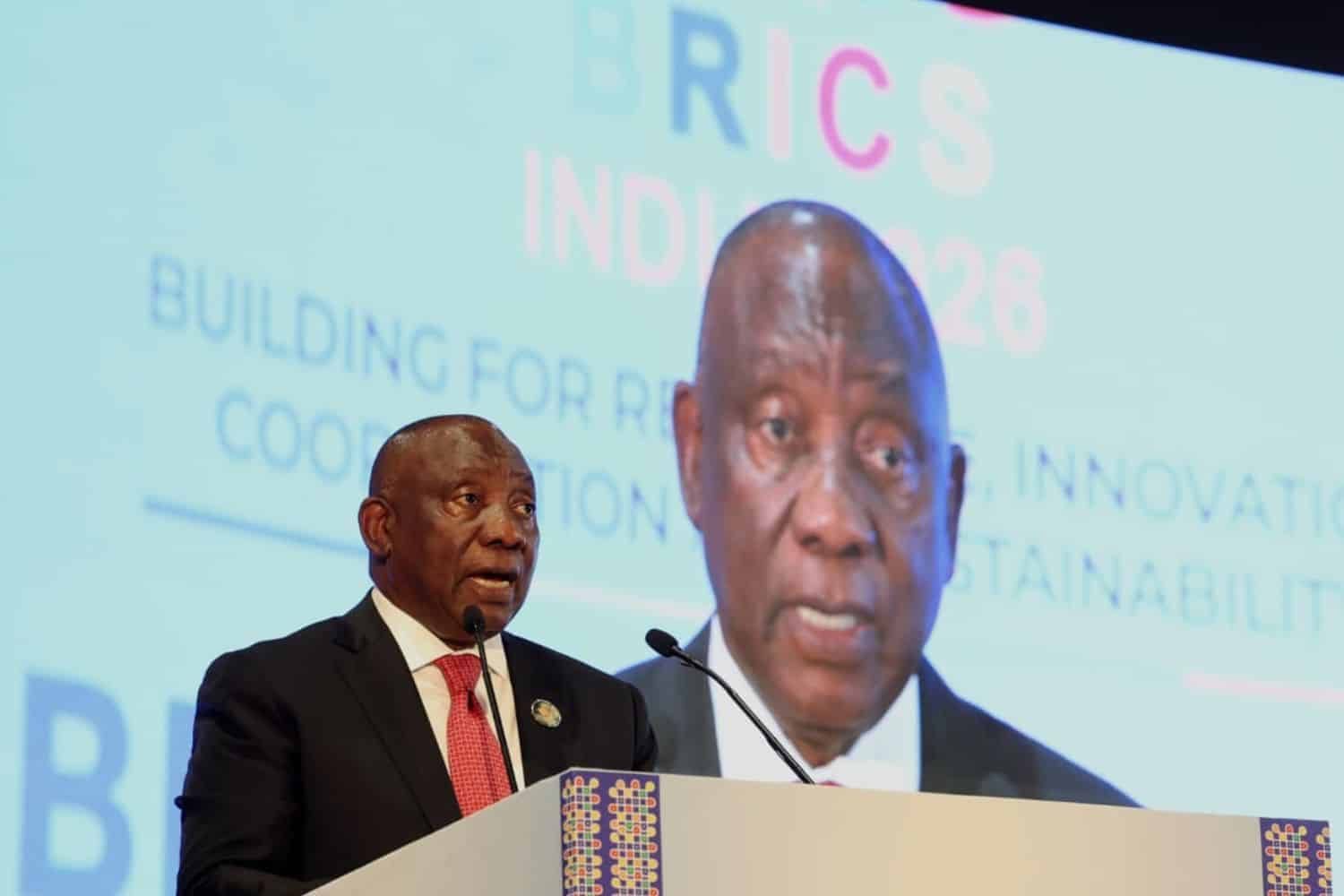
The rising tide of anti-foreign African sentiment in South Africa loomed large at the 18th Brics Summit in India. Picture: The Presidency.


The rising tide of anti-foreign African sentiment in South Africa loomed large at the 18th Brics Summit in India that ended yesterday, with African journalists expressing deep disappointment over the xenophobic attacks in a country they admired as a bastion of human rights.
Concern remains over Pretoria’s response. President Cyril Ramaphosa and leaders of three African countries affected by the anti-African protests attended the New Delhi summit: Ethiopian Prime Minister Abiy Ahmed, Ugandan Vice-President Jessica Alupo and Nigerian Foreign Affairs Minister Bianca Odumegwu-Ojukwu.
Bilateral meetings
The African leaders did not hold bilaterals to discuss the attacks, which led to the repatriation of thousands, but the debate raged on in the corridors of the summit.
Adding to the tensions were reports of the killing of two Nigerians, Bishop Taiwo Michael Fakunie at his home in Kensington, Johannesburg, on 4 September, and James Uchechukwu Nwankwo in Cape Town on 5 September, allegedly during interrogation by the South African police.
Waniala Paul, a multimedia producer from Uganda’s Vision Group, said there was “a legitimate conversation to be had about irregular migration” and that governments had a responsibility to know who enters their territory and enforce immigration and labour laws.
Attacks
But he rejected the notion that African migrants were responsible for crime.
“Being undocumented does not make someone inherently criminal, and it certainly should not justify harassment or violence,” he said.
Paul said the attacks dented South Africa’s “powerful image across Africa” – a country associated with Nelson Mandela, the struggle against apartheid, Ubuntu and African liberation. But he said the hostility should not “define the entire country or its people”.
Nigeria
Idehai Frederick, chair of the Diplomatic Correspondents Association of Nigeria, said xenophobia undermined African solidarity and the spirit of Pan-African brotherhood.
“What makes this particularly painful for many Nigerians is the shared history between our countries. During the struggle against apartheid, Nigeria stood firmly with South Africa politically, diplomatically and financially.”
Claims
He also rejected claims that African migrants fuel crime, saying many contribute positively to the economy.
Most Nigerians, he said, recognised the attacks were “not official SA government policy”, but that perception was changing as some government officials openly supported the xenophobic actions and aided and defended perpetrators.
“The concern is more about whether enough is being done to prevent and punish xenophobia,” he said.



