Eskom launched a 2000-page draft scoping report in April, reviving Nuclear 2 plans while Bantamsklip is dropped from final impact assessment.
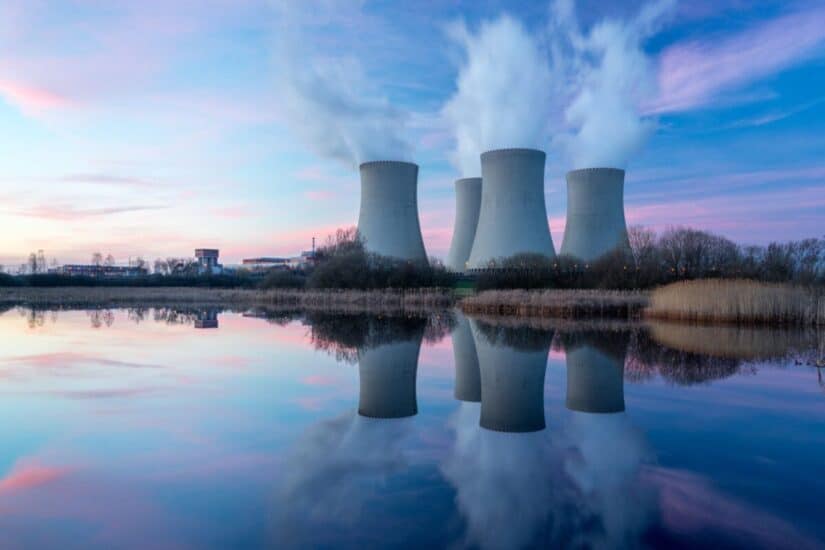
Picture: iStock


Thyspunt was originally identified as one of four potential nuclear power station sites in the 1970s, the others being Pelindaba, Bantamsklip and Koeberg. Eskom started building Koeberg in 1976 and the reactor came on line in 1984.
When government began exploring options for what is known as “Nuclear 2” in the 1990s, Thyspunt emerged as Eskom’s first choice, followed by Pelindaba near Pretoria and Bantamsklip between Gansbaai and Hermanus in the Western Cape.
Department previously eliminated Thyspunt as ‘greenfields’
The department of forestry, fisheries and the environment decided Thyspunt was a “greenfields” area largely given over to agriculture and was eliminated as a possible location for a pebble bed nuclear reactor.
Also dropped was Pelindaba – which subsequently became home to South Africa’s nuclear weapons development initiative – and a new site,
Duynefontein on the West Coast, was identified as the preferred location. Duynefontein is where Koeberg is situated.
The Nuclear 2 initiative was, however, put on hold.
Nuclear 2 plans
Eskom started a new and fuller environmental impact assessment in 2006 and this dragged on until 2017, when the government decided the project should indeed move to Duynefontein because the ecological impact would be materially less.
After much back and forthing in court and the corridors of power, Eskom launched its newest site assessment project in December last year, releasing a 2000-page draft environmental scoping report for public input on 1 April.
The initial deadline for responses was 5 May but the Thyspunt Alliance won a three-week extension.
According to the new scoping report, Bantamsklip will not be considered for the final environmental impact assessment.