
Back in time: Chaka’s Rock through the years
Keith Duane recently shared his faded black and white family photos which tell the story of the seaside resort where his great grandparents planted their roots.
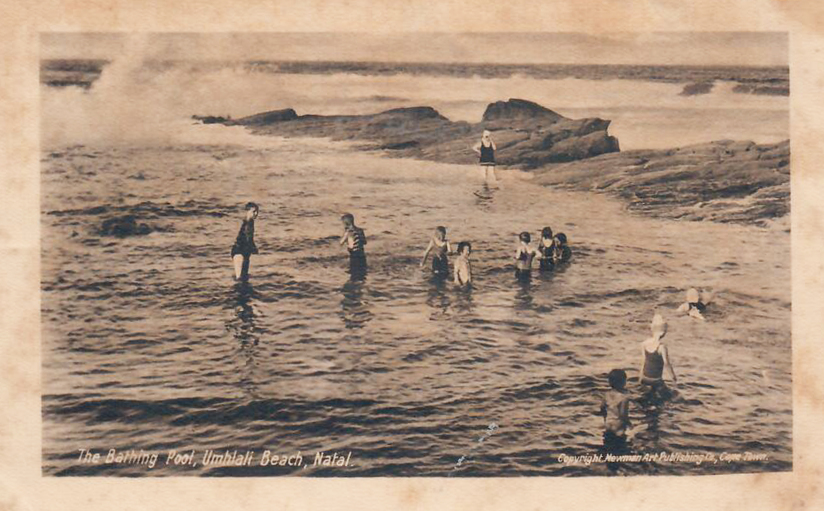
Long before Ballito was born in the 50’s, the wild coves around Chaka’s Rock were already a secret gem where the first rustic beach cottages took shape in the late 1800s.
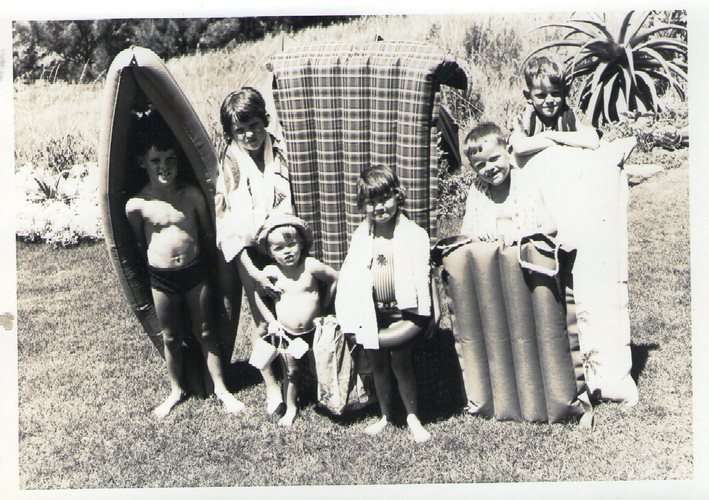
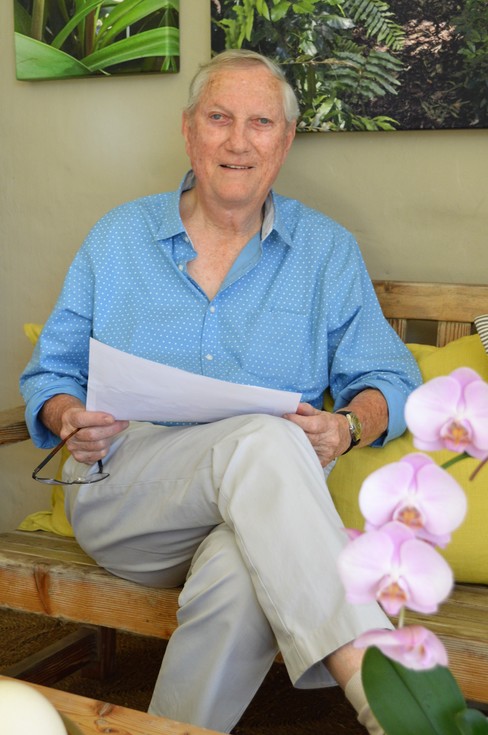
Retired chartered accountant and Simbithi resident Keith Duane recently shared his faded black and white family photos which tell the story of this seaside resort where his great grandparents planted their roots, alongside the cottages of many of the local farming families.
“I have wonderful memories of holidays at Chaka’s Rock. We would come up from Durban North for the weekend when I was a teenager in the 1940s.
“It was the most pristine, untouched coastline and there was no electricity and no water, just a natural spring on the property.
“I remember my grandfather had a black mamba skin on the wall. It was wild!” said the 81-year-old Duane, whose great grandfather Samuel Knox was one of the first to buy beachfront property in Chaka’s Rock.
Also read: The Dolphin Coast – going back in time
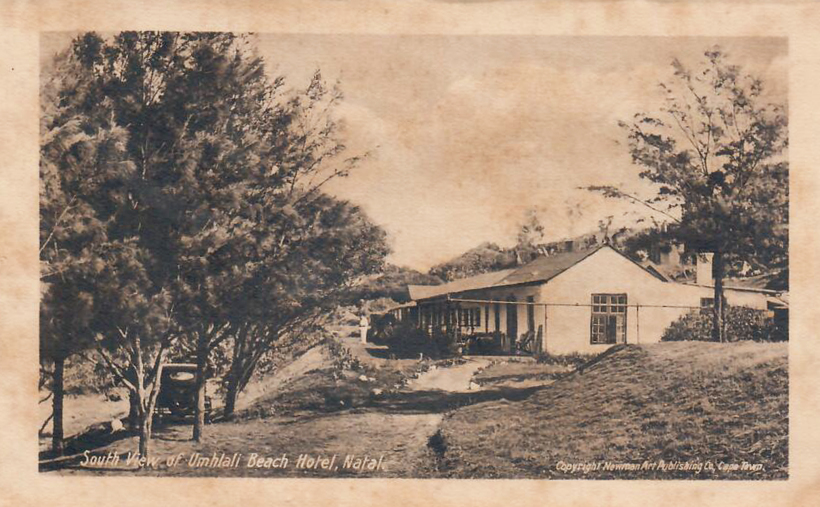
“The whole coast was owned by the Knox and De Charmoy families. Charles de Charmoy came from Mauritius and built the Chaka’s Rock hotel in the 1940’s across the road from where Salt Cafe is today.”
Charlie de Charmoy and his brother Thomy live on in local memory as the builders of the Thompson’s Bay tidal pool.
“The hotel had the wonderful Fika Phuza pub – Zulu for ‘come drink’ – and made a legendary prawn curry.”
It was also home to the only telephone in the area and Duane said there was one phone call in particular that he will never forget.
“It was the mid-50’s when my mom phoned through to give me my university results, which was quite a big moment for me.”
The 100-bed hotel was upgraded by Linda and Andy Kapp who added en-suite bathrooms to the rooms when they bought it in 1964 – a task that turned out to be a massive undertaking.
“We did not know that Charlie de Charmoy used the sea rock which was blasted out when the pool was built, to build the hotel. It took the builders one week with a jack hammer to make a hole big enough into the wall for a door,” said Linda, who moved to the North Coast with her husband after they lost their dairy farm in Cramond when it was expropriated for Albert Falls Dam.
“We became hoteliers suddenly. I found it quite daunting, but my wonderful husband told me it would not be difficult because “people are just like cows, all you need to do is treat them with tender loving care”.
Also read: The wild wild west of Umhlali
Andy Kapp was right, as the hotel was a raging success.
“We charged R3,50 per person per night. This included three meals and our special tea with cream scones served on the beach at 10am and 3pm. We had 100 people per meal when the hotel was full. Our two chefs cooked all day, starting at 5am.”
She said their guests became like family, as they returned every year for their three weeks by the sea.
“We welcomed the same families over Easter, the July holidays and for Christmas. We even had a resident Father Christmas who was played by the well-known Eric Stowell who came to the coast from Pietermaritzburg every year. Little Maritzburg Road was named after the Pietermaritzburg families who had little cottages along the beach.
“We made great friendships. The Hirsch family were our neighbours and the first people to invite us for dinner. Allan Hirsch did some of the plumbing at the hotel for us,” said Linda, who sold the hotel to John Hulett in 1974.
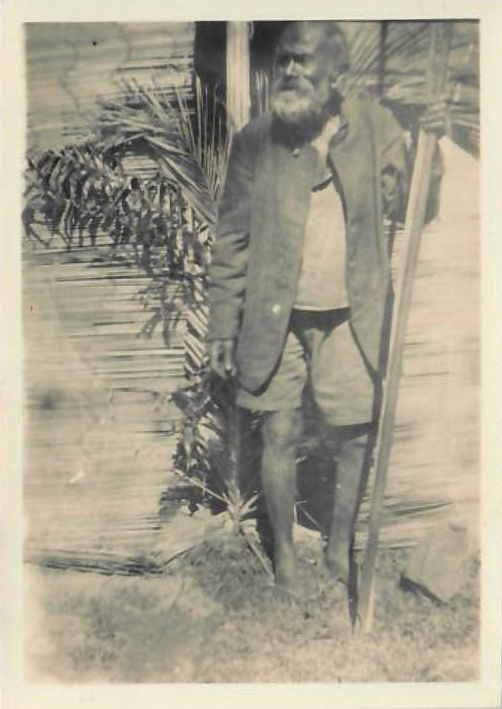
Another resident with strong Chaka’s Rock ties is 90-year-old Michel Robert, who came to Chaka’s Rock from Mauritius by cargo ship after the war in 1946. He remembers the hotel well.
“It was a fun place, more casual than the Salt Rock Hotel where you had to wear a collared shirt and tie,” said Robert, who worked on Charles de Charmoy’s farm and married his daughter, Marie, in 1954.
He was one of 11 children and said the North Coast was a popular destination for Mauritians emigrating from the island.
“The Mauritian sugar cane farming industry was quite settled. We saw better opportunity here and had experience in the industry. We had brilliant times in the 50s and 60s – the children could ride their bicycles everywhere, we could walk around at midnight and just had total freedom,” said Robert, who has seven children.

Do you want to receive news alerts via WhatsApp? Send us a WhatsApp message (not an sms) with your name and surname to 061 718 4438.
Please read our WhatsApp broadcast list disclaimer.
Join the conversation on Facebook, Twitter and Instagram
Stay in the loop with The North Coast Courier on Facebook, X, Instagram & YouTube for the latest news.
Mobile users can join our WhatsApp Broadcast Service here, or if you’re on desktop, scan the QR code below.