
Toti ‘envirokids’ celebrate Compost Awareness Week
The green-thumbed gardening learners of Amanzimtoti Primary School are being taught how to nurture plants and grow their own plants.
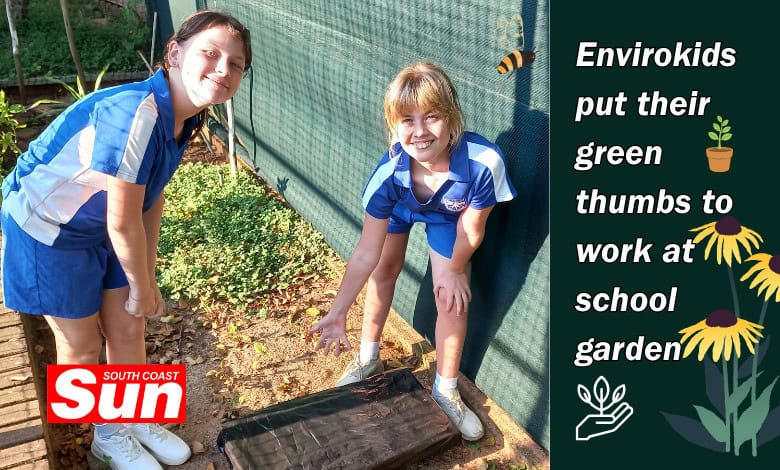
THE ‘envirokids’ at Amanzimtoti Primary School learnt about the magic of compost during their garden exploration as part of the school’s Enviroclub’s observation of International Compost Awareness Week from May 4 to 10.
Also read: Edu-Paw graduation is coming up – help make it superb
The young seed detectives spotted muthi plants, which they were educated on. Muthi is an indigenous plant with medicinal properties used historically by local communities, often for traditional healing practises. The green-thumbed learners then planted carrot, pepper and chilli seeds. They made use of one of the accelerated germination methods they learnt in the school’s EduPlant programme.
Alice Surmon, head of the Enviroclub, explained that seeds are planted in a tray. Thereafter, the soil is watered before sowing and a thin layer of soil is placed over the seeds. “Seeds germinate better in a dark, warm spot. Growth is stimulated by covering the tray with a black bag for a few days. This assists with maintaining moisture levels as well. Once the shoots have germinated in 10 to 14 days, we will uncover the tray to allow the sun’s energy to continue the growth process. After a few weeks, they will be ready to be planted out,” said Surmon.
She added that the plants were watered with worm ‘tea’ which is a natural liquid fertiliser made from soaking worm manure in water. She said, “In a healthy compost bin, worms help decompose food scraps by eating them. As the worms digest the organic material, they produce castings (manure) filled with nutrients and beneficial microbes. The worms from our vermiculture buckets are fed food scraps by the learners.”
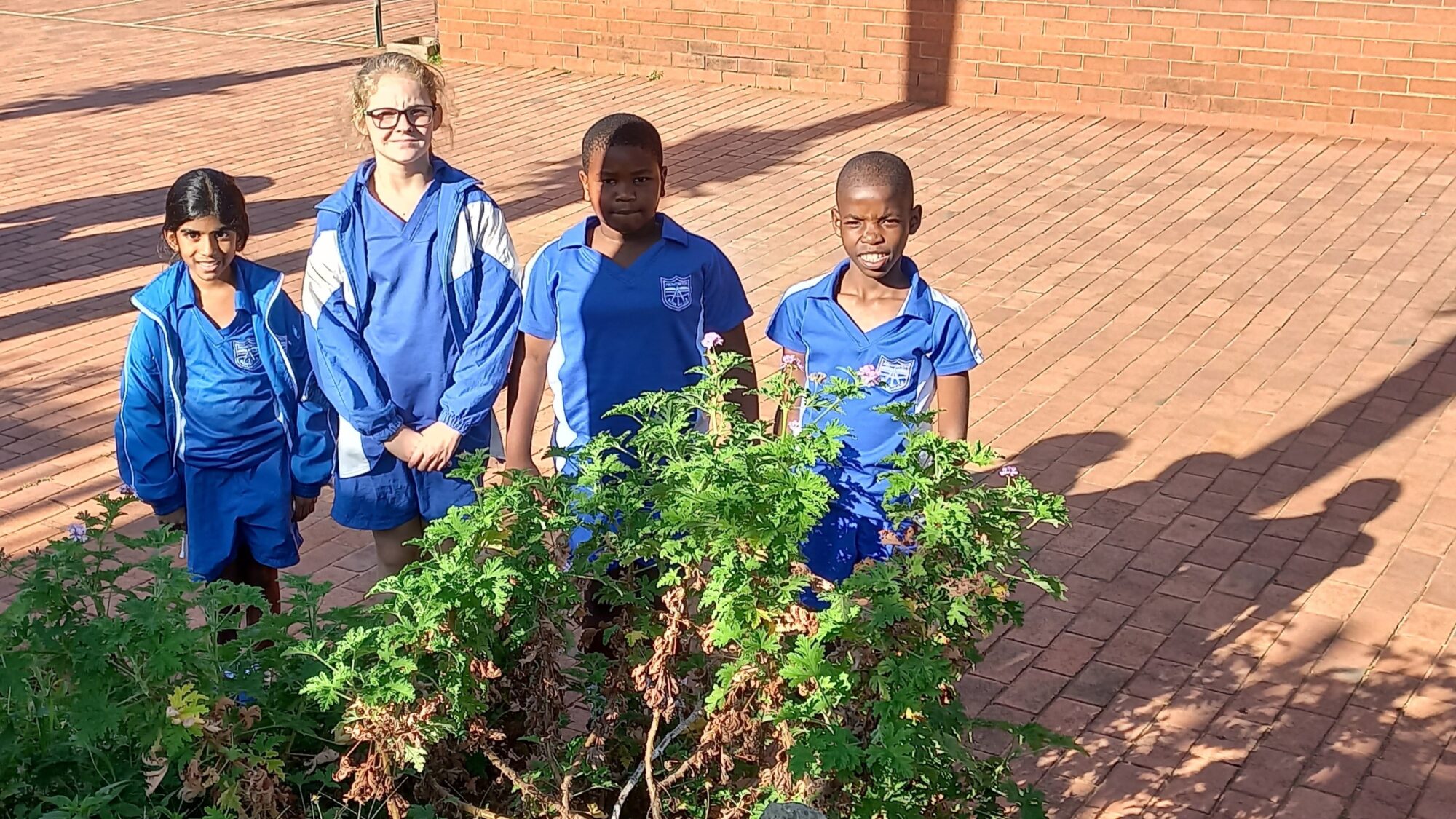
The programme is supported by the Wildlife and Environment Society of South Africa (Wessa), which highlights environmental issues such as pollution and climate change through its school programmes. “Learners got their hands dirty during an exciting, hands-on compost-making lesson designed to boost their school’s thriving vegetable garden. From layering green and brown materials to understanding the science of decomposition, the session taught learners how composting reduces waste, enriches soil and supports sustainable food systems,” said Wessa in a statement.

Do you have more information pertaining to this story? Feel free to let us know by commenting on our Facebook page or you can contact our newsroom on 031 903 2341 and speak to a journalist.