Report highlights severe housing backlog in three SA municipalities
Residents on The Bluff are grappling with the growing number of informal dwellers occupying private land in the area.
THE backlog in the allocation of houses and access to essential services are some of the main reasons hindering progress in improving living conditions of people living in Temporary Relocation Areas (TRAs) in eThekwini.
A recent report of the Amnesty International revealed that eThekwini is among the three top Metropolitan municipalities in the country that are grappling with a high number of informal settlements.
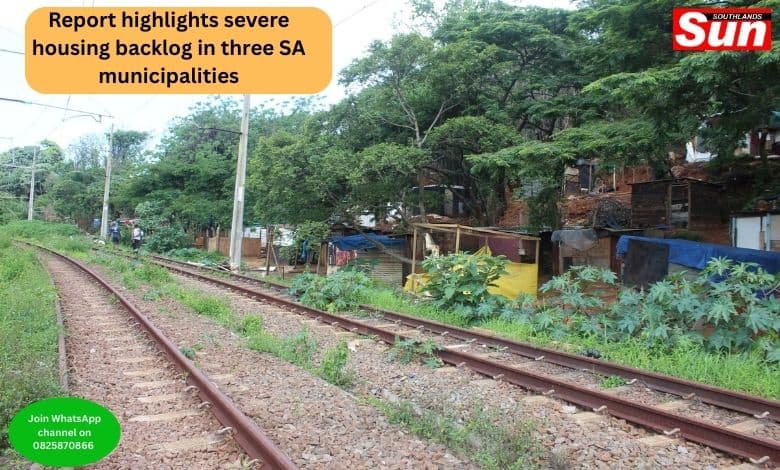
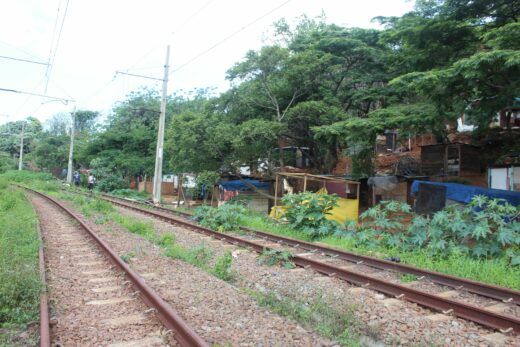
On The Bluff, residents are grappling with the growing number of informal dwellers occupying private land and, in some cases, encroaching on residential properties.
Also read: Joint operation targets illegal connections near The Bluff
The mushrooming of illegal structures on Transnet land in Fynnlands and near Solomon Mahlangu Drive has caused concern among community members, with some fearing that the growing number of shacks in the suburb could lead to an increase in crime.
The report stated that informal settlements and other underserved areas reflect an acute housing crisis, which has its roots in the country’s colonial and apartheid history.
In eThekwini, hundreds of displaced flood victims are currently housed at the temporary shelter in Umbilo awaiting the completion of the R33m renovation of the Montclair Lodge.
The KZN Department of Human Settlements, in its statement, said flood victims will be moved into the lodge during December 2025 or January 2026.
The report also shows that more than five million people in South Africa live in informal settlements where daily life is marked by deprivation and precarity.
Also read: eThekwini explores new strategies to curb fraud and corruption
The report focused on three metropolitan municipalities in South Africa, eThekwini, Cape Town and Johannesburg. The Amnesty International paints a grim picture of the current living conditions of those living in TRA houses.
The report highlighted that residents of informal settlements lack security of tenure and adequate access to essential services such as water, sanitation, waste collection and electricity.
“Often close to riverbanks, in low-lying areas or on perilous floodplains, these settlements are highly susceptible to flooding, waterlogging and mudslides. Informal settlements are a manifestation of the failure of successive governments to guarantee the right to adequate housing among other human rights,” said the report.
The findings are, however, indicative of challenges faced by people living in informal settlements and other underserved communities across the country.
It attributes these issues within the framework of key laws, policies and practices related to the adequacy of housing, access to essential services and flood mitigation and response and analyses them from a human rights perspective.
Amnesty International said the failure to address the housing crisis, including through providing adequate well-located affordable housing, has led to a growth of informal settlements.
“Instead of taking steps to address the root causes that give rise to informal settlements, authorities in some cases have sought to target informal settlements.”
For more Southlands Sun news, follow us on Facebook, Twitter and Instagram. You can also check out our videos on our YouTube channel or follow us on TikTok.
Subscribe to our free weekly newsletter and get news delivered straight to your inbox.