
How to identify a heron in flight
The black-headed heron prefers habitats that are rich in grassy plains and open savannahs.
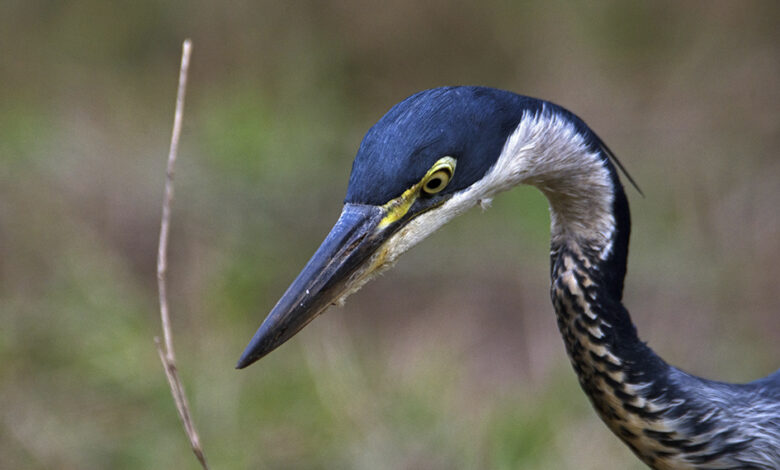
BLACK-headed herons are tall birds, measuring about 85cm high and have a wingspan of about 1.5m.
They are year-round resident birds and are common throughout most of sub-Saharan Africa and Madagascar, however, west African birds tend to move further north during the rainy season.
ALSO READ: Rescued sea bird recovers at wildlife centre
Their flight is slow and with their neck retracted which makes them distinguishable in flight from other large birds, such as storks which fly with necks extended.
While the black-headed heron is known as a wading bird, they are often seen in shallow water where they spear small fish and frogs to eat. These herons are just as ‘at home’ far away from water, where they can be seen hunting in grassy fields, catching anything from crickets and grasshoppers to small birds and even snakes.
Black-headed herons are often seen slowly stalking their prey, or standing motionless waiting for just the right moment to strike.
They usually nest high up in trees, in reed beds or on cliff faces in the wet season. They nest in colonies of more than one pair near each other. The nest consists of a large stick platform where two to four eggs are laid.
To have some of your interesting spiders, snakes or other wildlife identified, call or WhatsApp Warren on 072 211 0353.
For more Southlands Sun news, follow us on Facebook or Twitter. You can also follow us on Instagram.