Ratepayers claim victory for reduced electricity tariffs
The proposed 36% electricity hikes was dropped down to 12.7% after much deliberation from ratepayers and advocacy groups.

RATEPAYERS’ associations and other advocacy groups in the south of Durban have claimed victory after the National Energy Regulatory of SA (Nersa) agreed to reduce the 36% proposed electricity tariff to a much lower increase of 12.7%.
Eskom had initially sought a staggering 36% tariff increase, which would have placed an unbearable financial burden on households and businesses.
Also read: Eskom opens courtesy window-period for electricity zero buyers
Deputy chairperson of the Bluff Ratepayers and Residents Association Allison Schoeman said the drop from the proposed 36% tariff hike was a significant victory in their fight against Eskom’s excessive tariff increases.
“While we anticipated that some level of increase would be approved, we must take immense pride in the fact that our collective objections forced Nersa to drastically reduce the originally requested hike.
“Eskom had initially sought a staggering 36% tariff increase, however, due to our strong objections and persistent advocacy, Nersa has approved a much lower increase of 12.7% for the 2025/26 financial year. This proves that our voices matter and that public pressure can lead to real, tangible change,” said Schoeman.
Instead of rubber-stamping Eskom’s excessive demand, Schoeman said Nersa was compelled to reassess the proposal, ensuring a more balanced and fair decision.
Also read: Fury unleashed: Backlash erupts against proposed tariff hikes in eThekwini
“This victory is a direct result of our active participation, advocacy, and unwavering commitment to holding regulators accountable. This is not just a small win, but a powerful demonstration of the influence we have as engaged and informed citizens. Had we remained silent, we would have been burdened with far steeper increases. But because we took a stand, presented strong arguments, and made our objections heard, the regulator had no choice but to reconsider Eskom’s demands,” she said.
Nersa held its meeting on January 30, and made the following decisions:
- Approved revenues of R384.6 billion for the 2025/26 financial year, which translates to a percentage increase of 12.74%.
- Approved revenues of R409.5 billion for the 2026/27 financial year which translates to a percentage increase of 5.36%.
- Approved revenues of R436.8 billion for the 2027/28 financial year, translating to a percentage increase of 6.19%.
Nersa said in a statement, “The Energy Regulator made its decisions after conducting the due regulatory process, which included publishing Eskom’s MYPD6 revenue application and inviting written comments from stakeholders. The Energy Regulator also conducted public hearings to solicit comments from interested and affected stakeholders. As a result, Nersa received more than 1200 written comments from stakeholders, who raised concerns such as affordability, Eskom’s performance, the impact of negotiated price agreements, municipal debt, and the need for better consultation by Eskom and municipalities, among others.”
The reasons for decision documents are available on the Nersa website at www.nersa.org.za.
The South Durban Community Environmental Alliance ( SDCEA) issued a statement welcoming the news.
Also read: Ratepayers and residents march against tariff hikes in eThekwini
SDCEA prides itself for being in the forefront of advocating for affordable, reliable, and clean electricity for working-class and marginalised poor communities, particularly in areas like Merebank, Phoenix, Chatsworth, Bonela, KwaMakhutha, Umlazi and other parts of Durban.
Project Officer at UMI Energy Democracy and Youth at the SDCEA office, Tristan Meek, said they have been fighting for justice, affordable, reliable, and clean electricity for working-class and marginalised poor communities.
SDCEA worked with the following organisations in the fight against electricity tariffs:
- Ubunye Bama Hostela (UBH)
- Abahlali BaseMjondolo (the shack dwellers of Durban),
- Local fisherfolk organisations,
According to Meek these organisations have consistently fought against unjust electricity increases that threaten the livelihoods and rights of the most vulnerable communities of South Durban.
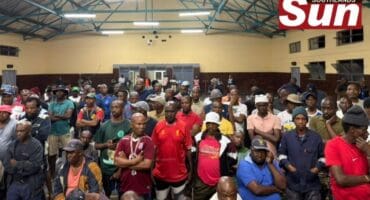
“In 2024, these communities mobilised tirelessly to challenge proposed increases as high as 36%, which would have hit the poorest the hardest. Over 40 community organisations were involved in this collective effort, attending multiple meetings, workshops, rallies, protests and submitting feedback to Nersa, while advocating for a process that recognises the voices of those who are most affected,” said Meek.
Meek said Nersa was only compelled to meet with Durban’s communities due to the persistent pressure from the SDCEA and its allies.
“For years, these communities have been advocating for affordable electricity, with SDCEA leading the charge since 2008. To claim victory without engaging with these groups undermines the hard work and determination of those who have been on the ground, pushing for fair treatment and justice.
“We call on Nersa to report back to the communities that provided submissions and opposed the increases above inflation,” Meek added.
For more Southlands Sun news, follow us on Facebook, Twitter and Instagram. You can also check out our videos on our YouTube channel or follow us on TikTok.
Subscribe to our free weekly newsletter and get news delivered straight to your inbox.