
Stronger, Sharper, While They Rest
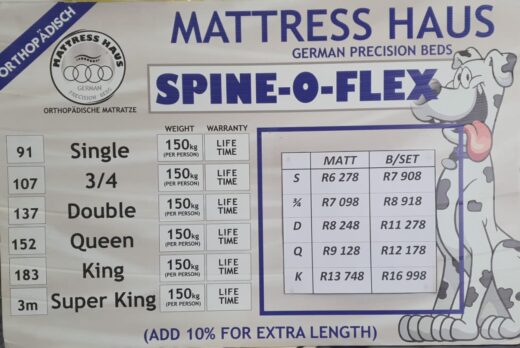
Visit Mattress Haus Vanderbijlpark for a 5% discount on these Mattresses and get best advice from the experts!
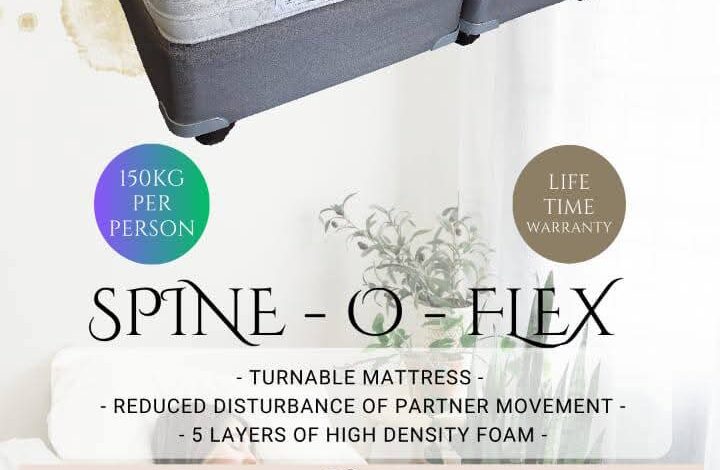
In the world of youth sports, the spotlight is often on training regimens, nutrition, and talent development. Yet, a foundational and often overlooked element of athletic performance lies in something far more basic: sleep. And not just sleep — quality sleep. At the heart of this is the mattress, a key player in ensuring optimal rest, recovery, and long-term health for children and young individuals engaged in sports.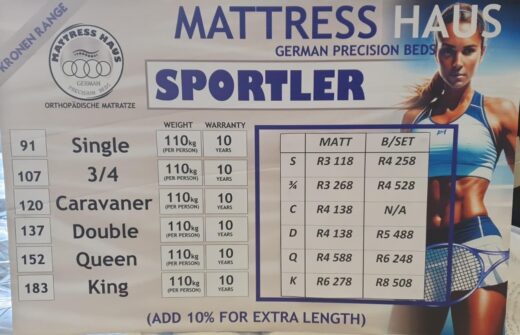
This article explores the connection between mattress quality and sports performance, specifically for young and growing athletes, drawing from scientific research, sleep medicine, and sports science.
- Sleep and Athletic Performance: The Science
Before diving into mattresses specifically, it’s important to understand how sleep impacts performance:
Why is sleep so important for young athletes?
Growth and development: During deep sleep, the body releases growth hormone, which is essential for muscle repair, tissue growth, and bone development — critical for young athletes.
Muscle recovery: Sleep is when the muscles recover from strain. Without quality rest, microtears in muscles cannot heal effectively.
Cognitive performance: Sports aren’t just physical; they demand sharp focus, decision-making, and reaction time — all of which are impaired by poor sleep.
Injury prevention: Sleep deprivation has been linked to increased injury risk due to slower reaction times and impaired motor function.
Immune function: A well-rested body is better equipped to fight off illness and recover from minor injuries or inflammation.
A 2014 study in the Journal of Paediatric Orthopaedics found that adolescent athletes who slept less than 8 hours per night were 1.7 times more likely to experience an injury than those who slept more.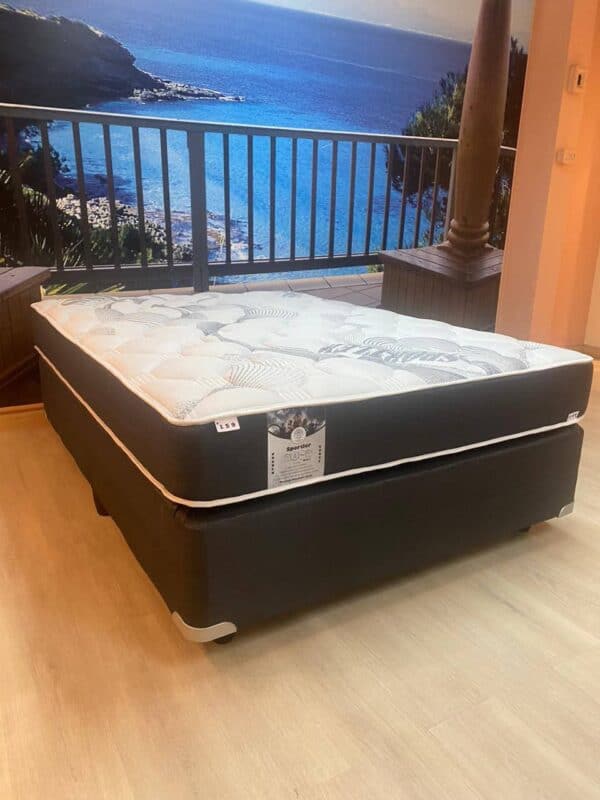
- The Mattress–Sleep Quality Connection
How exactly does a mattress affect sleep?
The quality of a mattress directly influences:
Sleep posture and spinal alignment
Comfort and ability to fall and stay asleep
Pressure relief on joints and muscles
Body temperature regulation during the night
Impact on young bodies
Children and teens have different needs than adults:
Their spines and bones are still growing, making spinal alignment crucial.
They may be more sensitive to allergens and temperature discomfort.
Their lighter body weight means the mattress should respond well without being too firm or too soft.
If a mattress fails to support the natural curvature of the spine, or causes pressure on the hips, shoulders, and knees, it can lead to discomfort, tossing and turning, and ultimately disrupted sleep cycles — impairing recovery and performance.
- How the Wrong Mattress Can Harm Young Athletes
❌ Poor spinal support
Can cause or worsen back, neck, and shoulder pain.
Misalignment leads to restlessness, reducing time spent in deep, restorative sleep stages.
❌ Overheating
Many low-quality mattresses trap heat.
Children, especially active ones, tend to have higher body temperatures during sleep, so heat retention can lead to frequent waking.
❌ Allergens and dust mites
An older or low-quality mattress may harbor allergens, affecting breathing and sleep quality, especially in children with asthma or allergies.
❌ Sagging and loss of firmness
Sagging mattresses don’t support muscle and joint recovery properly, leading to aches and stiffness — especially after intense sports activity.
- How the Right Mattress Enhances Recovery and Performance
✅ Promotes deep sleep and REM cycles
A good mattress minimizes motion transfer and reduces pressure points, allowing the child to cycle through all stages of sleep efficiently.
✅ Aids muscle recovery
Proper cushioning and support help blood flow and reduce muscle soreness overnight.
✅ Boosts energy levels and mood
Better rest improves motivation, reduces fatigue, and enhances concentration during training and games.
✅ Supports proper growth
Spine and joint support ensure healthy physical development — essential during adolescent growth spurts.
- What to Look for in a Mattress for Young Athletes
✅ Support and firmness
Medium-firm mattresses generally offer the best balance between support and comfort.
For children and teens, a mattress that promotes natural spinal alignment is crucial.
✅ Pressure relief
Memory foam or hybrid mattresses are excellent for relieving pressure on joints after physical activity.
✅ Breathability
Cooling technologies or natural materials (like latex or gel-infused foam) help regulate body temperature.
✅ Durability
Young bodies grow fast — look for a mattress that won’t sag quickly and can adapt over time.
✅ Hypoallergenic materials
Especially important for sensitive or allergy-prone children to ensure uninterrupted sleep.
- Creating a Sleep-Positive Environment
While the mattress is critical, it’s just one part of a sleep-positive setup. For young athletes:
Stick to a consistent sleep schedule
Limit screen time before bed
Maintain a cool, dark, and quiet bedroom environment
Encourage relaxing bedtime routines
- Case Study: Youth Athletes and Sleep Upgrades
Sports academies around the world are now recognizing the mattress-performance link. For instance:
Manchester United’s youth program introduced custom sleep assessments and upgraded bedding.
Elite high schools in the U.S. report improvements in student-athlete performance after switching to orthopedic mattresses.
Results from these programs show:
- Improved reaction times
- Reduced injury rates
Higher energy and improved performance consistency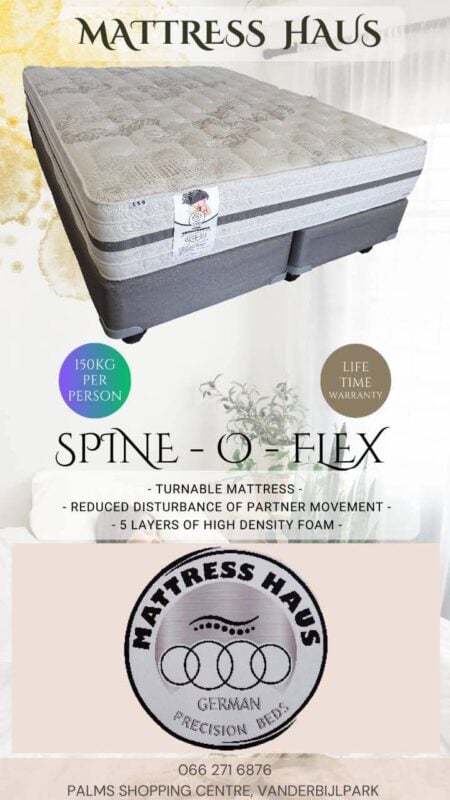
Conclusion
For children and young individuals involved in sports, a mattress is not just a piece of furniture — it’s an essential recovery tool. Investing in a high-quality, supportive, and breathable mattress can dramatically improve sleep quality, accelerate recovery, reduce injury risk, and ultimately enhance athletic performance.
Parents, coaches, and caregivers who take a serious interest in the sleep environment of young athletes are making an investment in their long-term health, development, and success — both on and off the field.