AG says CoJ wrote off R9bn in consumer debt, while City Power incurred R5.7bn in electricity losses and Johannesburg Water R2.8bn from water losses.
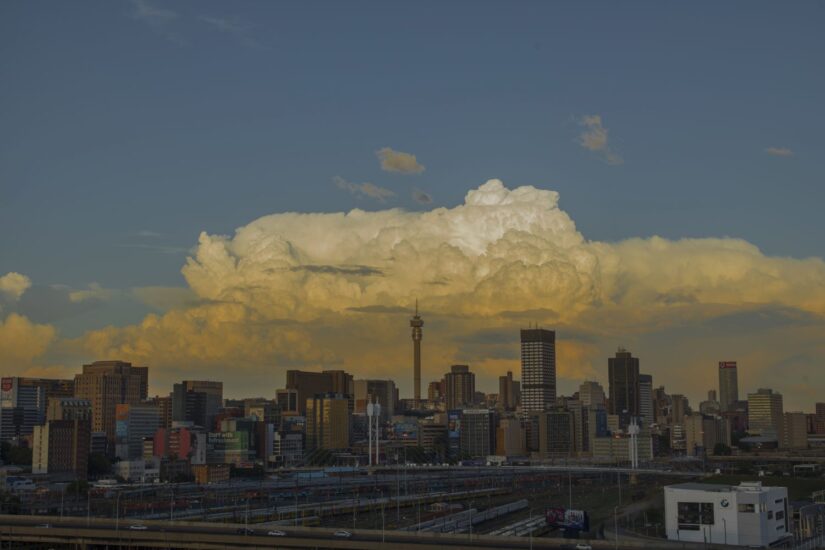
Picture: iStock


The poor state of the City of Johannesburg (CoJ) financial controls has been laid bare in parliament, with members of the Standing Committee on Public Accounts (Scopa) referring to the city’s 2024/25 financial results audit outcomes as “pathetic”, “extremely alarming” and “a horror show”.
This followed a presentation to Scopa on Tuesday by Fhumulani Rabonda, leader of the Auditor-General’s (AG) business unit in Gauteng, in which he highlighted the losses in revenue to the city from debt write-offs and electricity and water losses.
Rabonda said the CoJ group wrote off R9.5 billion worth of debtors, of which R9 billion were consumer debtors who had consumed municipal services and were unable to pay or the city was unable to recover these debts, which were then deemed unrecoverable.
R5.7bn lost
He also emphasised the material electricity losses of 30% by City Power, which amounted to R5.7 billion in the financial year.
Rabonda said R3.9 billion of this relates to non-technical loss – primarily attributable to theft, bypassing of meters, illegal calibration of meters, damaged meters, faulty voltage, faulty transformers, billing errors and customers without meters.
He said there were also material water losses of 45% by Johannesburg Water amounting to a total of R2.8 billion in the year.
These are matters of ‘utmost importance’
Rabonda said these items are listed as an emphasis of matter, which is not an audit finding but something disclosed in the financial statements the AG thinks is of utmost importance for users of the financial statements to note and therefore draws attention to it.
Scopa member Patrick Atkinson of the Democratic Alliance (DA) said his concern is that:
Johannesburg currently has a budget bigger than about 15 sovereign African countries and its failure is catastrophic for this country.
He said a close eye needs to be kept on what is going on in the city.
CoJ experiences water losses
The fact that only about 57/58% of water received from Rand Water is actually billable means the other 42/43% is lost, he said, adding that there are also huge losses in electricity.
“The vast bulk of Joburg’s budget goes to bulk purchases of water and electricity so this is a horror show because until we get a handle on this, it’s going to be very difficult for Johannesburg to operate as a going entity.
“All that then relates back to investment in infrastructure, which … is way below where it should be, and repairs and maintenance, which is about half of where it should be.
“With all these things massively underspent, things will just get worse unfortunately until a point where the city will just collapse,” he said.
Scopa member Alan Beesley of ActionSA said the audit outcomes for the largest city in South Africa and the largest municipality contributing 17% to South Africa’s GDP is extremely poor, extremely alarming and pathetic.
Environment of ‘false assurance’
Rabonda said most of the CoJ entities that deliver key services – City Power, Johannesburg Roads Agency, Johannesburg Water and Pikitup – are in a “false assurance” environment.
He said most of us have been sitting in this “amber path” for a very long time, City Power and Johannesburg Water for 13 years and Pikitup for 10 years.
Rabonda said this means these entities have for the past 13 or 10 years been publishing credible financial statements – so there are no material misstatements on their financial statements, but there are material findings on either their performance reports and/or in regard to compliance.
“The reason we call it false assurance is that we cannot be comfortable with an environment that has got credible published financial results but they are not complying with the law or their performance report has material misstatements.”
Something is wrong
Rabonda said in terms of accountability, this means something is not working and the city is unable to make credible decisions, or there is non-compliance with legislation, or there is performance information that is not reliable and it is “maintaining an environment that has a disregard for the law”.
“We know that with an environment that has got a disregard for law it’s a fertile ground for unscrupulous conduct to happen,” he said.
“That is why we are calling out the auditee that is sitting in this ‘amber’ [environment] for a very long time.”
Something ‘must be done’
Rabonda said something needs to be done to drive these entities towards a clean audit outcome where they have credible financial statements and a credible performance report, and they have materially observed all applicable laws in their financial management throughout the financial year.
He said the quality of performance reporting remains concerning due to material findings that were reported due to a lack of adequate evidence to substantiate achievement for the strategic priority.
Rabonda’s overall message is that:
- Instability in the political and administrative leadership over the administration period has weakened accountability and performance;
- The overall control environment remains weak; and
- The impact of the internal audit unit and audit committees is limited by slow and incomplete implementation of recommendations due to insufficient management action.
“While council and mayoral structures remained functional, ineffective oversight and unstable governance arrangements resulted in inconsistent oversight over service delivery,” he said.
“At administrative level, instability at city manager position and vacancies in key management positions in the finance unit and the chief audit executive impacted institutional performance.”
‘Known control weaknesses’ allowed to persist
Rabonda added that the governance weaknesses at the CoJ constrained the city’s ability to enforce consequence management, implement audit action plans and address repeat filings.
He said investigations into unauthorised, irregular, fruitless and wasteful expenditure were delayed or incomplete, allowing known control weaknesses to persist over multiple years and contributed to the regression in audit outcomes.
“While the city has implemented financial stabilisation and recovery initiatives and engaged National Treasury for support, these interventions have not yet resulted in a material improvement.
“Its financial health remains concerning due to liquidity pressures, high debt and inability to timeously collect revenue,” he added.
“Ongoing lapses in budget discipline, revenue, and asset management continued to put pressure on cash flows and constrained the city’s ability to fund service delivery and infrastructure adequately.”
Rabonda said the AG made a material finding on sustainable service delivery, with 40% of this strategic priority target achieved, but there wasn’t a material finding on infrastructure development and refurbishment, which achieved 36% of its strategic priority targets.
This article was republished from Moneyweb. Read the original here.