
The families have made clear that Glenlivet and Dineo Langa's joint apology has not resolved the matter.
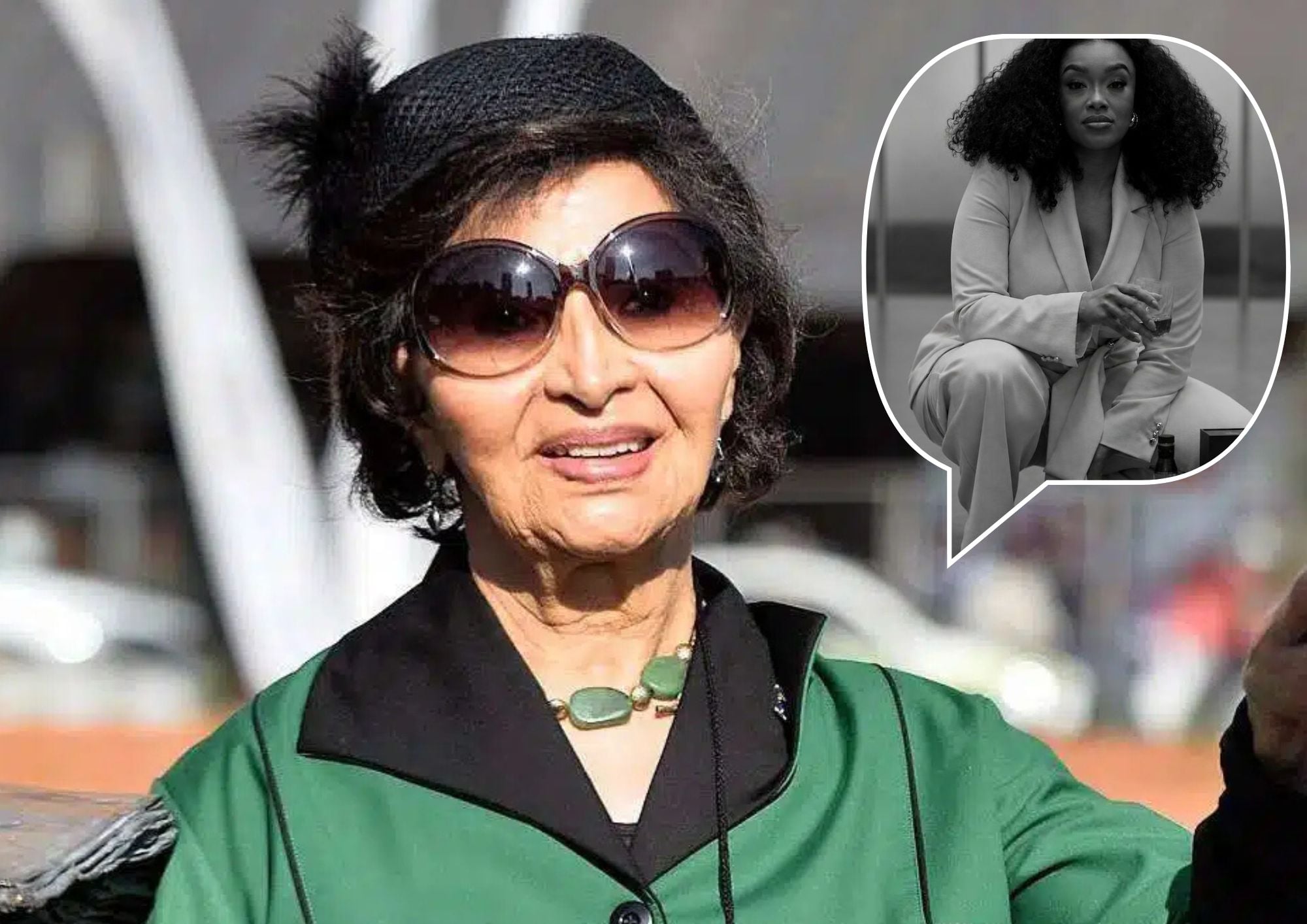
Anti-apartheid activist and the last surviving leader of the historic 1956 Women’s March Sophie Williams-De Bruyn is among the family representatives who say Glenlivet used the 1956 marchers’ legacy without consent. Picture: Composite – Standard Bank Top Women, Screenshot


The families of the women whose images and legacy were used in The Glenlivet’s now-deleted Women’s Month campaign have spoken out for the first time, rejecting the brand’s apology as inadequate and calling the ad “unauthorised corporate appropriation of a national heritage.”
In a joint statement issued on Wednesday, the families of Lilian Ngoyi, Helen Joseph, Rahima Moosa, Sophia Williams-De Bruyn and Winnie Madikizela-Mandela (alongside the Lilian Ngoyi Foundation and the Sophie and Henry De Bruyn Legacy Foundation) said they were responding “with profound sadness and disappointment” to a campaign that used “the history, images and sacred legacy of the women of the 1956 Women’s March, and Winnie Madikizela-Mandela’s voice to market and sell whisky.”
‘Not a marketing gimmick’
The statement, titled “Our Liberation History Is Not For Sale!”, pushed back directly on the idea that Women’s Month could serve as a backdrop for brand campaigns.
It said the 20 000 women who marched on the Union Buildings in 1956 “did not march so that their courage, suffering and sacrifices could one day be trivialised and turned into a convenient marketing gimmick for commercial gain,” adding that the month is meant to “inspire change in a patriarchal world” rather than sell products.
Per the statement, Sophie Williams-De Bruyn, one of the four leaders of the original march and now in her late 80s, gave a personal account of the harm caused:
“The advertisement uses my image and the record of a life that my husband and I dedicated entirely to the struggle for freedom. To see that history used to sell alcohol is deeply painful, especially given South Africa’s devastating crises of alcohol abuse and Gender-Based Violence.”
She further added that she “did not give Glenlivet permission” to use her image or legacy.
The statement was equally pointed about the use of Winnie Madikizela-Mandela’s voice in the ad, which it called “the campaign’s calculated effort to link the youth of the marchers to aged commercial products,” saying it was “profoundly disrespectful” to repurpose her voice “as an atmospheric device to sell alcohol.”
Alcohol’s apartheid-era history, again
The families reiterated a point already raised by critics, Minister in the Presidency for Women, Youth and Persons with Disabilities Sindisiwe Chikunga and the ANC last week: that alcohol carries a specific, painful history in Black South African communities, “serving as an instrument of exploitation and control under colonialism and apartheid – most notably through the destructive ‘dop system’.”
That history, the statement said, makes pairing liquor advertising with the legacy of the 1956 march “entirely incomprehensible.”
Apology ‘misses the mark’
Furthermore, the families made clear that Glenlivet and Dineo Langa’s joint apology – issued last week after the ad was pulled and reported on by The Citizen and several other news outlets – has not resolved the matter.
“Deleting a social media post does not erase the harm done,” the representatives said, noting that the ad footage continues to circulate.
They jointly argued that an apology “that speaks merely of causing ‘offence’ completely misses the mark,” reframing the issue as one of unauthorised commercial use of national heritage rather than a matter of hurt feelings.
What the families are demanding
The group of representatives is now calling on Pernod Ricard’s global leadership and its Chivas Brothers division, including chairman Alexandre Ricard, to engage with them directly. Their demands include:
- A transparent account of how the campaign was conceived and what historical consideration, if any, was given to it
- An explanation of why none of the affected families was consulted beforehand
- A direct, written apology to the families, separate from the public corporate statement
- Formal accountability pursued through South Africa’s Advertising Regulatory Board (ARB)
At the time of writing, neither Glenlivet nor Pernod Ricard/Chivas Brothers had publicly responded to the families’ statement or their call for direct engagement.