
'Three Comma Club' takes a sharp, curious and often witty look at the people whose wealth has moved beyond ordinary comprehension.
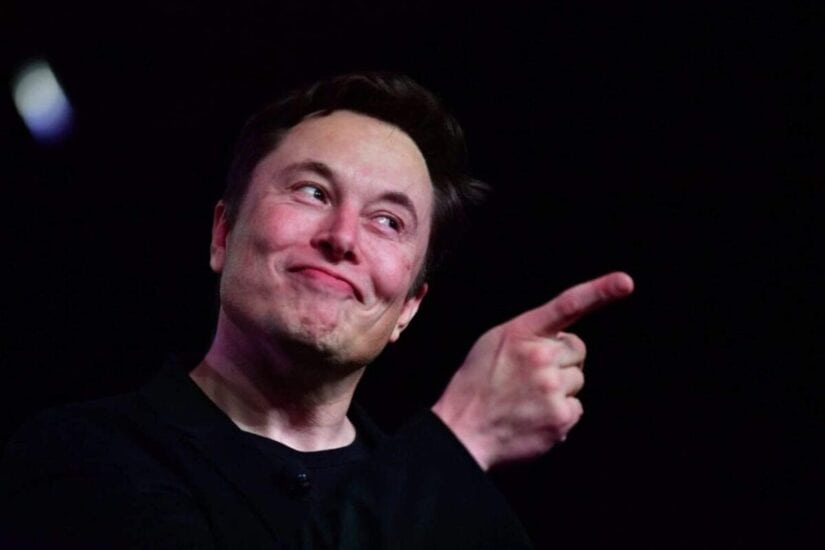
SA-born businessman Elon Musk. Picture: Frederic J Brown/AFP


Billionaires occupy a strange place in the modern imagination. They are admired, resented, studied, envied and blamed, often in the same breath.
They build companies, buy islands, influence elections, reshape industries and, occasionally, lose fortunes in ways that make the rest of us feel slightly better about our bank balances.
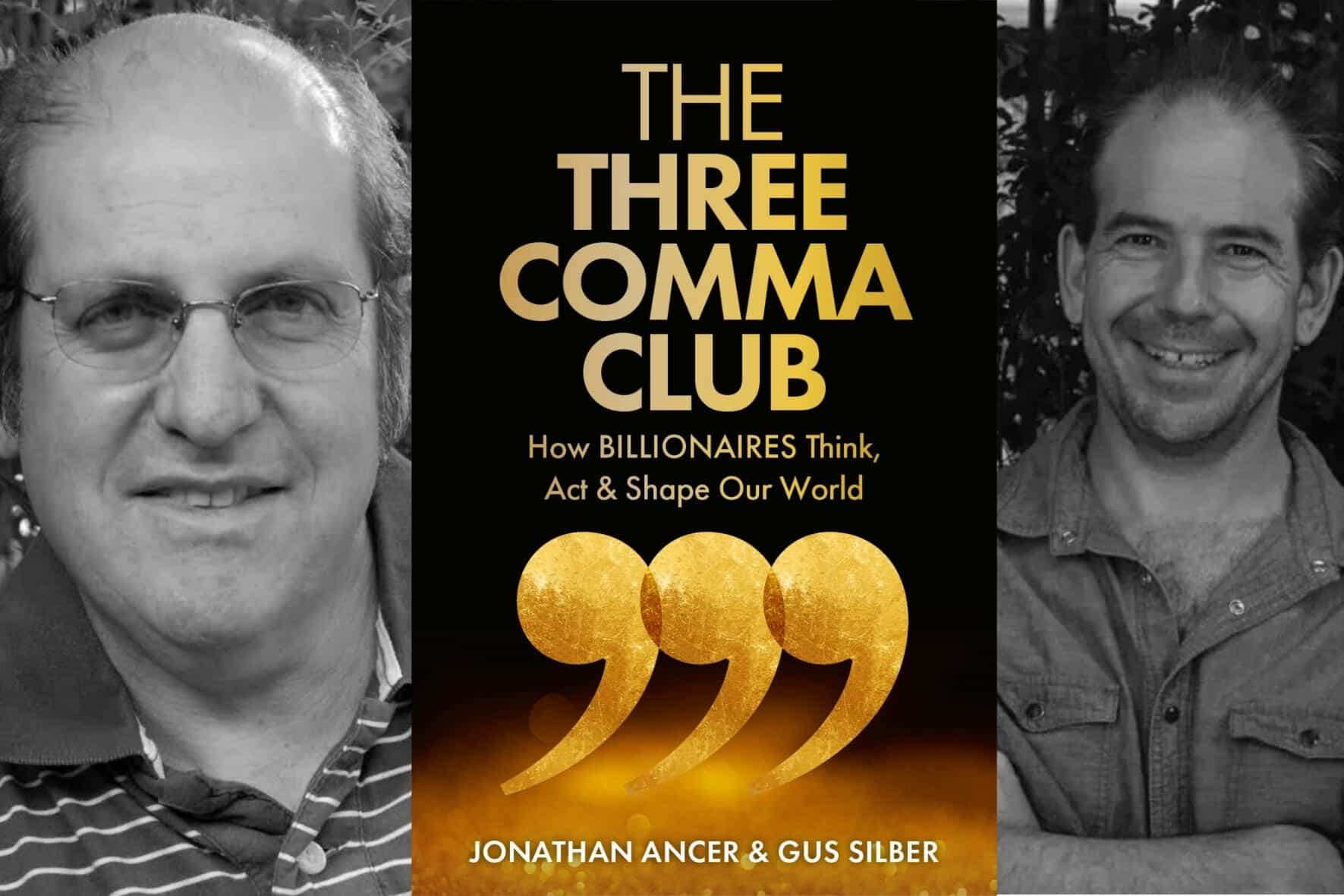
In Three Comma Club, authors Jonathan Ancer and Gus Silber take a sharp, curious and often witty look at the people whose wealth has moved beyond ordinary comprehension.
The book is not only about the money, although there is plenty of that. It is about power, appetite, luck, ego, risk and the peculiar psychology of those who either inherited extreme wealth or chased it with the stamina of marathon runners and the self-belief of minor deities.
Ancer and Silber, both journalists, said the question was not simply how billionaires become billionaires, but what their existence says about the world the rest of us live in.
Why did you write the book?
Billionaires are a sliver of the population (0.00003%), yet they are so influential. They have a presence in all aspects of our lives – business, art and culture, tech, politics, sport and the media.
We were curious about who these people are, how they were able to accumulate such vast wealth, and what their influence in the world is, and so we decided to investigate who they are and what makes them tick.
What was it like collaborating?
Working on this book was a joy. Writing is a very solitary act, and having someone to bounce ideas off, share thoughts and tackle the big questions – to begin with, how many zeros and commas are there, exactly, in a billion? – made a huge difference to the process.
We are both journalists by background, so we are used to the collaborative nature of storytelling in a newsroom. We didn’t quite sit at the same keyboard, in front of the same computer, working on the book.
For one thing, we live in different cities, so that would have been difficult. But we figured out a way of working, using Google Docs and WhatsApp Voice, and that made it a very smooth and organic process.
Why should people read the book?
There’s something in the book for everyone. There are inspiring stories of people who rose from poverty (actual rags) and joined the Three Comma Club.
There are fascinating tales about billionaires you thought you knew, and what they spend their fortunes on. We grapple with philosophical issues about extreme wealth, and there’s a smattering of satire and humour.
There’s also advice from billionaires themselves on how to join their exclusive club. There are also cautionary tales (PS: if you have a billion dollars worth of bitcoins stored on your computer, don’t let your partner throw it in the trash).
You talk about some pretty obscure rich folk in the book but you approach Elon Musk differently?
We were keen to find lesser-known billionaire stories, which meant we had to look beyond the top 10 of the Forbes list, beginning with Musk and the other tech bro billionaires.
But it’s impossible to think about billionaires in the modern age without thinking about Musk. Not only is he currently the richest person on earth, with a net worth of close to $850-billion – and no doubt he’ll one day be the richest person on Mars as well – but he is also from our part of the world, which gives him an added layer of interest.
He is a very complex character, super-smart, ruthless in business, and glaringly lacking in empathy, or at least that’s how he appears from the outside.
One of the reasons he fascinates us is that he has the wherewithal to be a superhero by channelling some of his vast fortune into alleviating some of the major social problems in the world.
Instead, he seems driven by a desperate need to acquire more and more money to serve his own interests and ambitions. He doesn’t just want to be a trillionaire; he wants to be the first person with a $10 trillion net worth in the world.
That’s almost a comic-book fantasy. It’s like the image of Scrooge McDuck diving into a vault full of banknotes and coins.
Who’s your favourite and least loved billionaire in the book?
We have two favourites: Chuck Feeney, co-founder of Duty Free Shoppers, who spent the better part of his life building his fortune, and the best part of his life giving it all away.
The other is Hetty Green, the Witch of Wall Street, who holds the Guinness World Records for being the world’s stingiest person.
The stories about how mean she was are legendary. It was said that her greatest joy was making money, and her greatest pain was spending it. But after researching her life, it turns out that she was actually misunderstood and unfairly treated.
In fact, she bailed out New York three times, and her billions have been quietly absorbed by hospitals, libraries, educational institutions, and charities, many of which have lost track of the source of the largesse.
The least favourite? Those who have used their billions to buy political influence, avoid taxes, and accumulate power with no democratic accountability – and turn Twitter, a once fun and useful platform, into a cesspit.
If you had R 50 in your pocket, how would you turn that into a billion?
Buy a lottery ticket and hope for the best.