
As SA moves from winter into spring, a Johannesburg dermatologist explains why persistent 'dry skin' could be atopic dermatitis.
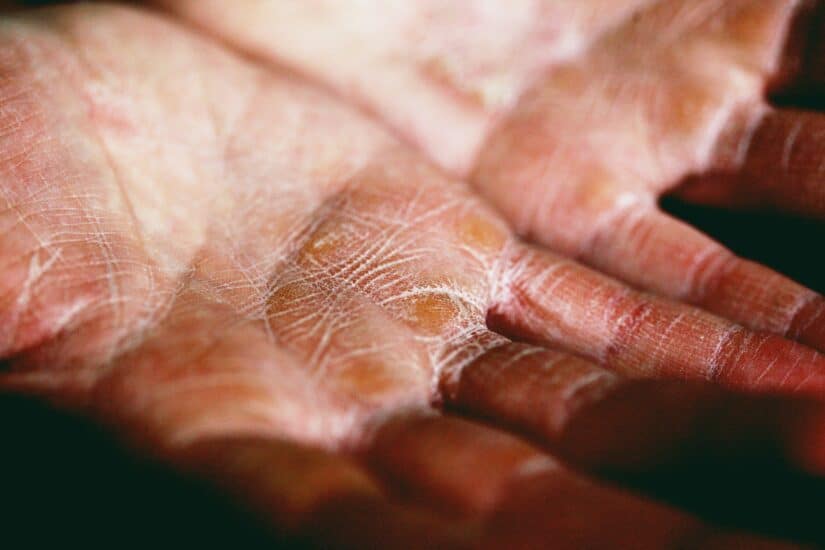
Atopic dermatitis affects an estimated 9.1% of South African women, yet is often dismissed as ordinary dry skin. Picture: Alexander Grey via Unsplash


As South Africa shifts from winter into spring, many people notice their skin changing along with the season. For most, a richer moisturiser or a few days of extra care is enough to see it through. But for a significant number of South African women, recurring dryness, itching and irritation are signs of something more persistent than the weather.
Atopic dermatitis, commonly known as eczema, is a chronic inflammatory condition that a 2025 global epidemiology study found affects an estimated 9.1% of South African women, compared to 5.2% of men. Despite how common it is, the condition is frequently dismissed as “just dry skin” rather than recognised as something that warrants proper medical attention.
Why flare-ups spike as the seasons turn
Changing weather is a recognised trigger for atopic dermatitis flare-ups, and research shows healthcare visits for the condition increase during these seasonal shifts. For people with milder symptoms, a good moisturising routine may be sufficient. But for others, recurring flare-ups point to a condition that needs more than a seasonal tweak.
Johannesburg-based dermatologist Dr Pholile Mpofu says one of the biggest obstacles to better outcomes is how easily ongoing symptoms get normalised.
“Atopic dermatitis isn’t simply dry skin, and it isn’t a cosmetic concern,” says Dr Mpofu. “It’s a chronic inflammatory condition, with inflammation occurring beneath the surface. That’s why moisturisers and lifestyle adjustments alone are often not enough to achieve lasting disease control.”
More than what’s visible on the surface
The visible signs, redness, flaking and patches that flare unpredictably, only tell part of the story. Dr Mpofu notes that presentation can also vary depending on your skin tone: in people with darker skin, redness may be far less obvious and may instead appear brown, purple or grey, making the condition harder to spot and diagnose.
Beyond the dermis itself, the condition takes a broader toll. Research published in Acta Dermato-Venereologica found that insomnia affects more than 80% of adults living with atopic dermatitis. Add to that the quieter, everyday adjustments many women make without necessarily connecting them to a medical condition: outfits chosen to hide a flare rather than for personal style, social plans reconsidered, or hesitation before something as small as a handshake.
Dr Mpofu says the emotional impact is just as real, with many people experiencing stress, anxiety, low mood, difficulty concentrating and self-consciousness as a result.
“Women frequently underestimate how much a flare is affecting them,” she says. “They’ll describe disrupted sleep, low energy, anxiety before social occasions or frustration with recurring symptoms without connecting those experiences back to their skin. Yet uncontrolled atopic dermatitis affects physical health, emotional wellbeing and quality of life all at once. It’s rarely just about the skin.”
When it’s time to see a professional
According to Dr Mpofu, certain patterns are worth raising with a healthcare provider: persistent itching, recurring flare-ups, disrupted sleep, or avoiding certain situations because of how you look or feel.
She also points out that treatment approaches have evolved significantly in recent years, meaning many women may be managing flare-up after flare-up without realising that better long-term control is achievable for eligible patients when the condition is properly diagnosed and treated in partnership with a dermatologist.
“The goal isn’t simply to get through the next flare,” says Dr Mpofu. “It’s to work towards meaningful disease control so skin health stops dictating so many everyday decisions. That shift in mindset, from coping with symptoms to treating the condition, can make a meaningful difference to someone’s quality of life.”