'The detection of PHV in sardines does not mean that sardines are poisonous, toxic or that they are infectious to humans or animals.'
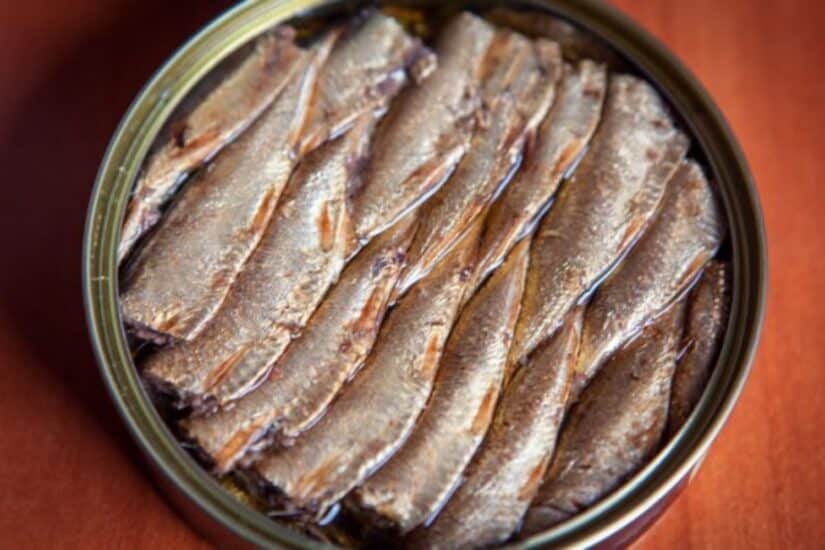
Image: Supplied


South Africa’s canned sardines remain safe for consumption despite the detection of pilchard herpesvirus (PHV) in wild sardine populations, the Department of Forestry, Fisheries and the Environment (DFFE) and the National Regulator for Compulsory Specifications (NRCS) said in a joint statement issued on 27 August 2026.
The two bodies moved to clarify their position after public concern and conflicting information circulated about the safety of sardine products.
Virus not known to affect humans
DFFE said it had launched an investigation into the disease and its effects on wild sardines, which fell under its mandate over disease control and primary production.
“Subsequent investigations confirmed that PHV is not known to affect humans,” the statement read.
DFFE and NRCS said PHV was a disease that affected sardines, also known as pilchards, and did not infect people or animals.
“The detection of PHV in sardines does not mean that sardines are poisonous, toxic or that they are infectious to humans or animals,” the statement read.
Canning process kills the virus
According to the statement, a clear distinction had to be drawn between commercially caught sardines and those found dead or dying on beaches.
Sardines destined for canning were freshly caught and processed under hygienic conditions in facilities approved and inspected by the NRCS under the Compulsory Specification for Canned Fish, Canned Marine Molluscs and Canned Crustaceans (VC 8014).
No facility could operate without this approval, which required annual reassessment.
NRCS said it verified that the heat-treatment process used during canning met the standard required to destroy viruses, including PHV, as well as other harmful microorganisms.
“There is no reason to discontinue the consumption of commercially produced canned sardines,” the statement read.
Warning against beach-collected fish
The public was strongly advised against collecting or eating dead or dying sardines found on beaches, DFFE and NRCS said.
“This advice is not because the fish are considered inherently harmful, but because there is no way of knowing how long a stranded fish has been dead,” according to the statement.
A stranded sardine may appear fresh externally while decomposing internally, potentially harbouring bacteria that can cause illness.
DFFE and NRCS said they would continue monitoring sardine mortalities alongside the small pelagic fishing industry and provide updates as they became available.