South African audiences recently witnessed a rare fashion moment where cultural pride and bridal elegance met
Pictures: social media


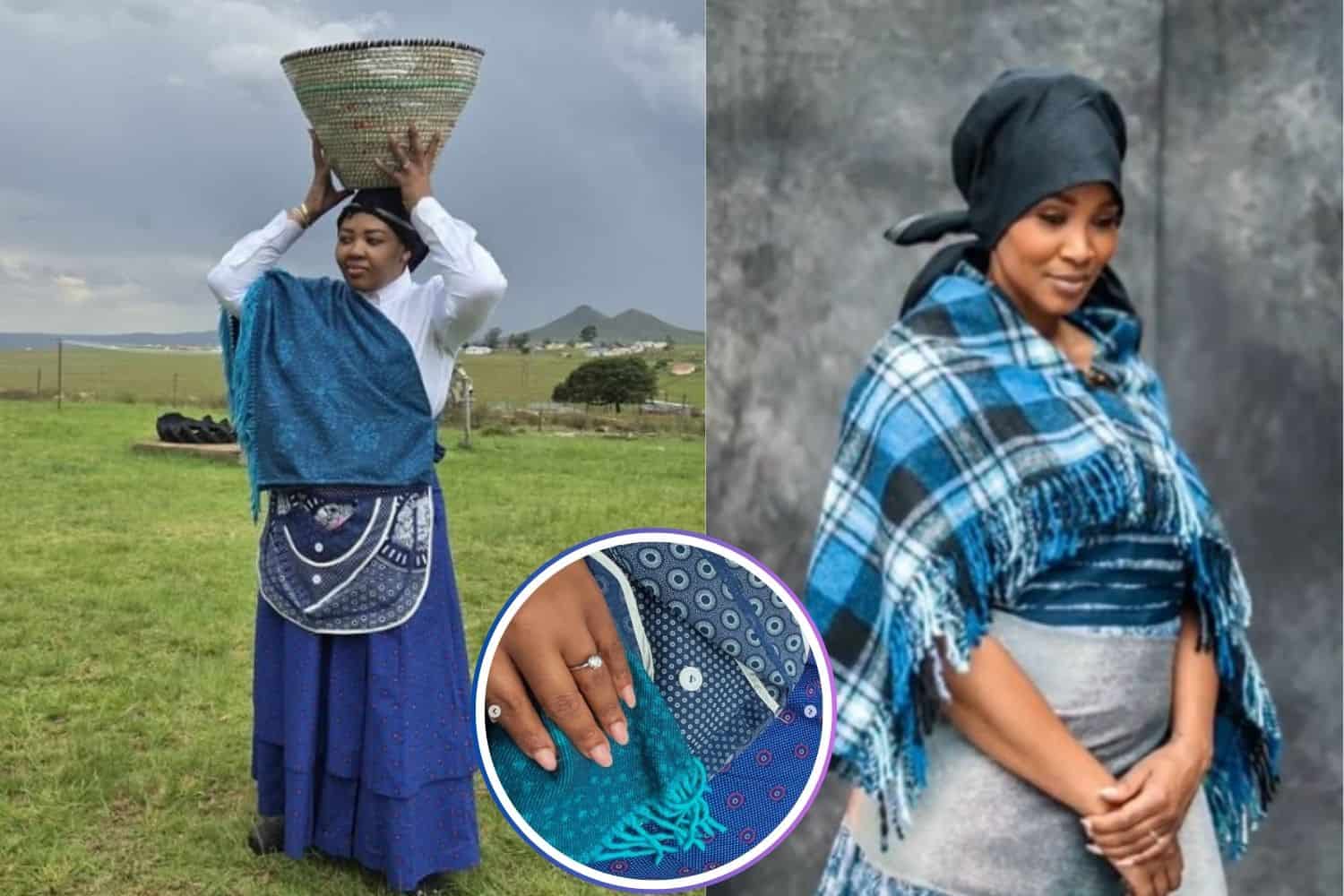
In an era dominated by Western bridal aesthetics, two of South Africa’s most recognisable media personalities have made a powerful statement. They are embracing traditional Xhosa makoti attire long after saying “I do”.
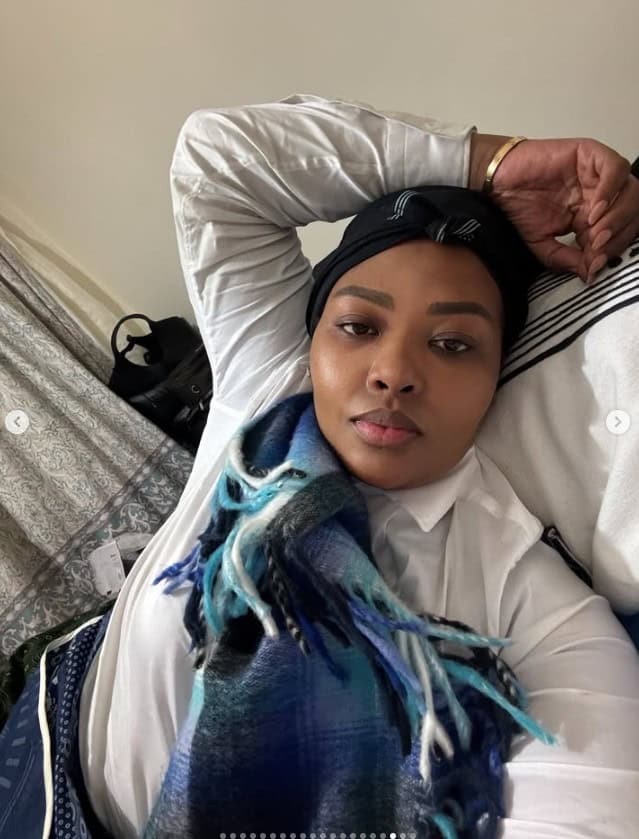
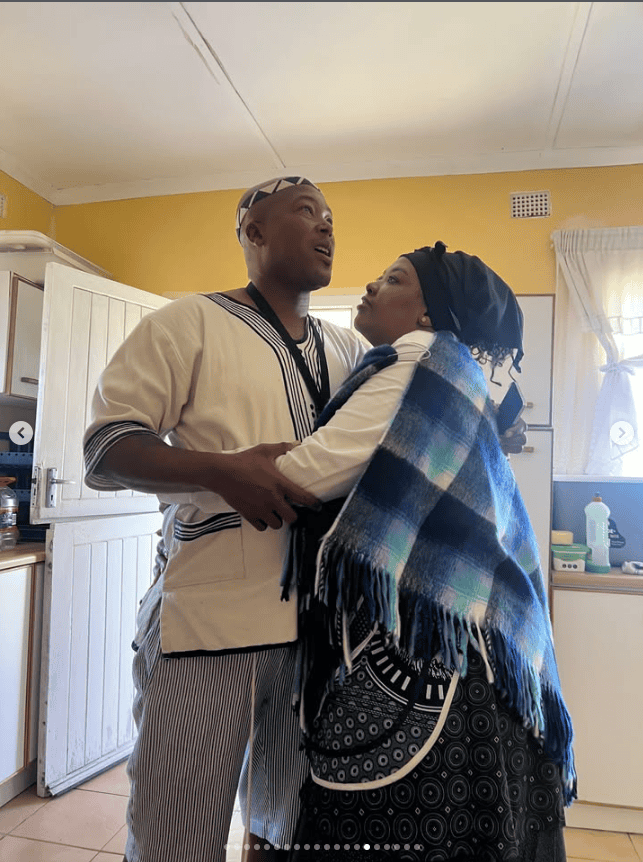
947 presenter Anele Mdoda, now proudly Anele Mgudlwa, and Carte Blanche presenter Claire Mawisa both married late last year and have been stepping into studios draped in Xhosa bridal attire.
As a result, they are reminding audiences that culture is not something to be hidden or reserved for private ceremonies.
When Anele casually introduced herself on air with, “My name is Mthawelanga, lovely to meet you,” it was more than a name change. Instead, it was a public affirmation of her new identity as a wife and makoti, rooted in tradition and respect.
ALSO READ: DJ Zinhle and Shashi Naidoo reveal winning style secrets for Cape Town Met 2026 glamour
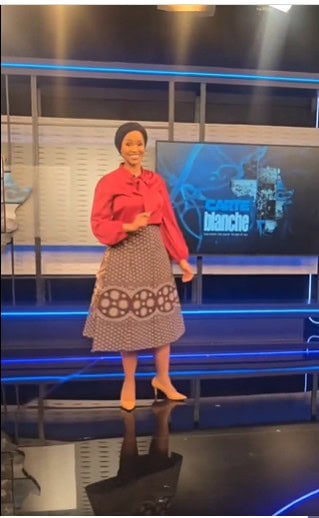
Similarly, Claire Mawisa’s subtle yet confident declaration, “love it for me,” while wearing her makoti attire, sent a message of pride. In addition, it showed ownership over her cultural journey.
Mawisa, a seasoned broadcaster with a remarkable 28-year career across radio and television, is known for her poise and authority.
love it for me ❤️ https://t.co/IjeFnV1Qy4 pic.twitter.com/Z3Bwn7hy7M
— claire mawisa (@clairemawisa) January 16, 2026
Her choice to wear traditional Xhosa bridal wear on mainstream television was both refreshing and powerful. This is especially true in a media landscape where new brides are rarely seen in cultural attire beyond wedding photos.
The traditional Xhosa makoti ensemble, commonly referred to as umbhaco, is rich in symbolism and meaning.
The outfit typically consists of a five-piece look crafted from heavy white or cream cotton fabric. These pieces are often accented with black embroidery and edging. It is frequently paired with isishweshwe, also known as ijermani. This is a patterned cotton fabric used for skirts or dresses. Additionally, the fabric has become synonymous with Xhosa identity.
One of the most recognisable elements is the iqhiya, a black headscarf wound and tied low to partially veil the bride’s eyes.
This is a sign of deep respect for elders and in-laws, symbolising humility during her transition into a new family. The ankle-length skirt further signifies that the bride has moved from girlhood into womanhood. In addition, it discourages unwanted attention from other suitors.
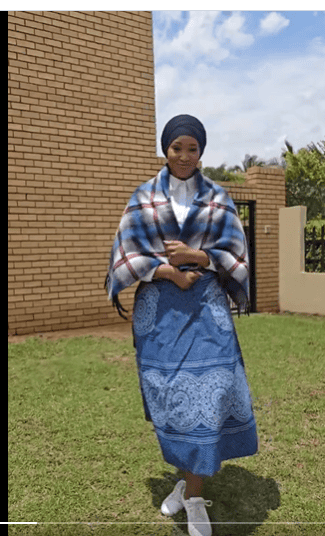
The look is completed with a shawl or blanket draped over the shoulders, often referred to as ingcawa, representing protection and nurturing.
Around the waist, a thick scarf or uxakatha is worn to symbolise the safeguarding of fertility and the responsibilities that come with marriage.
Collectively, this attire is known as umakoti dress, marking a bride’s passage into married life and her respectful entry into her husband’s family. It is intentionally modest and dignified. Moreover, it is layered with meaning that speaks to values of respect, care and continuity.

In a country as culturally rich as South Africa, seeing public figures like Anele Mgudlwa and Claire Mawisa proudly wearing Xhosa bridal attire on television is significant.
It challenges the notion that tradition must make way for modernity. Instead, it proves that culture can coexist beautifully within contemporary and even Western spaces.
Their visibility has sparked conversations, admiration and pride, especially among young women navigating identity in a globalised world.
By choosing to honour their heritage so publicly, these women are not just wearing fashion, they are preserving history, educating audiences and proving that tradition, when worn with confidence, will always be timeless.