Social media's beauty obsession is reshaping how young men see themselves.
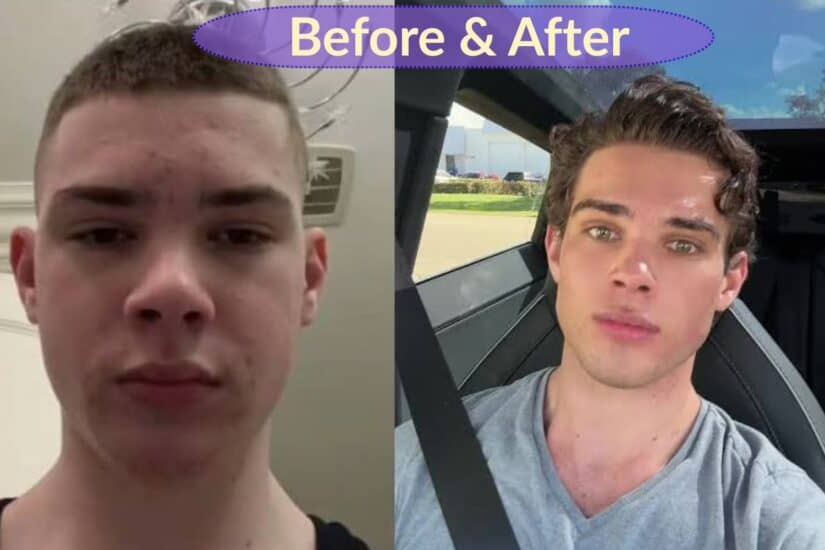
Clavicular, before and after. Picture: Social media


For years, beauty trends largely targeted women, but a growing online movement is now convincing young men that their faces and bodies can always be “improved”.
Known as looksmaxxing, the trend has exploded across TikTok, Reddit and YouTube. It encourages users to optimise every feature, from their jawline and skin to their height, physique and facial symmetry.
Many followers believe looksmaxxing can improve confidence, boost dating prospects, increase social status and even create better career opportunities. The idea is simple: become the most attractive version of yourself because, according to the movement, good looks open doors.
Who popularised looksmaxxing?
One of the online figures widely credited with popularising the movement is American Braden Eric Peters, known as Clavicular, a content creator with more than one million followers. His videos and advice helped introduce looksmaxxing to millions of young men. Moreover, his content focuses on analysing facial structure, grooming, and the science behind perceived attractiveness. As a result, he inspires countless creators to produce similar content.
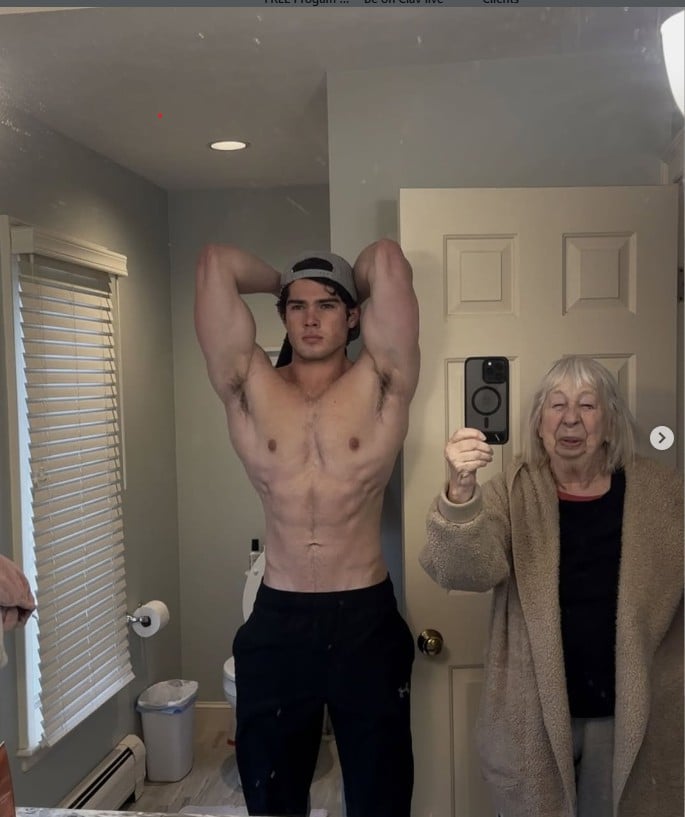
The trend is built around two distinct approaches.
Types of maxxing
Softmaxxing refers to healthy, non-invasive ways of improving appearance. This includes following a skincare routine, eating nutritious food, exercising regularly, improving posture, whitening teeth, getting a flattering haircut, dressing well and maintaining good hygiene. Many experts agree these habits can improve both health and confidence. Furthermore, this is true when approached realistically.
Hardmaxxing, however, is far more controversial. It involves dramatic measures designed to permanently alter appearance. This can include cosmetic surgery, jaw implants, rhinoplasty, fillers, hair transplants, chemical skin treatments and other expensive procedures. All of these aim to create the so-called ideal masculine face.
Alongside these approaches, looksmaxxing has created its own language.
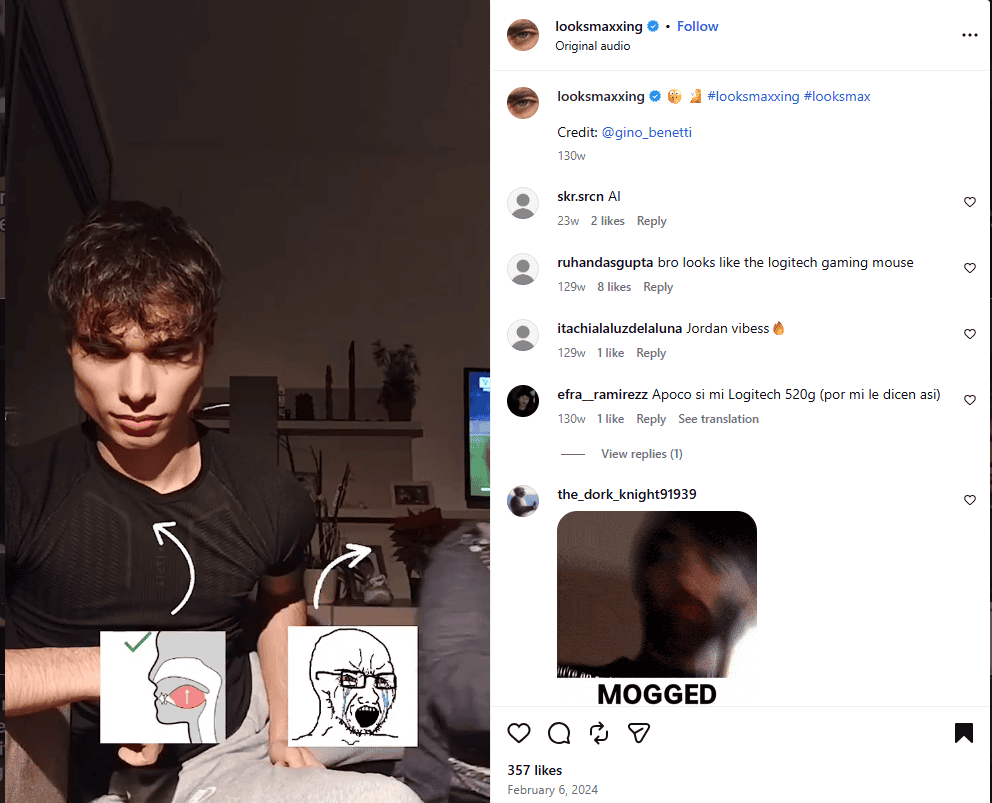
One of the best-known terms is mewing, a technique that encourages pressing the tongue against the roof of the mouth to supposedly reshape the jawline over time. While correct tongue posture may support oral health, there is little scientific evidence that it can permanently change an adult’s facial structure.
Another dangerous practice is bone smashing, a viral myth claiming that repeatedly hitting facial bones will stimulate growth and create sharper cheekbones or a stronger jaw. Doctors strongly warn against the practice because it can lead to fractures, nerve damage and permanent facial injuries.
Many young boys also participate in rating or ascension.
They upload photographs of themselves to online communities where strangers analyse facial symmetry, eye shape, jaw definition, nose proportions and skin quality before assigning a numerical attractiveness score. Users are then advised on how to “ascend” to a higher rating through grooming, exercise or cosmetic procedures.
Supporters argue that looksmaxxing motivates men to take better care of themselves. They say it encourages discipline, healthier lifestyles, improved fitness and greater confidence. For some, it becomes the push they needed to lose weight, improve personal style or develop healthier habits.
The danger
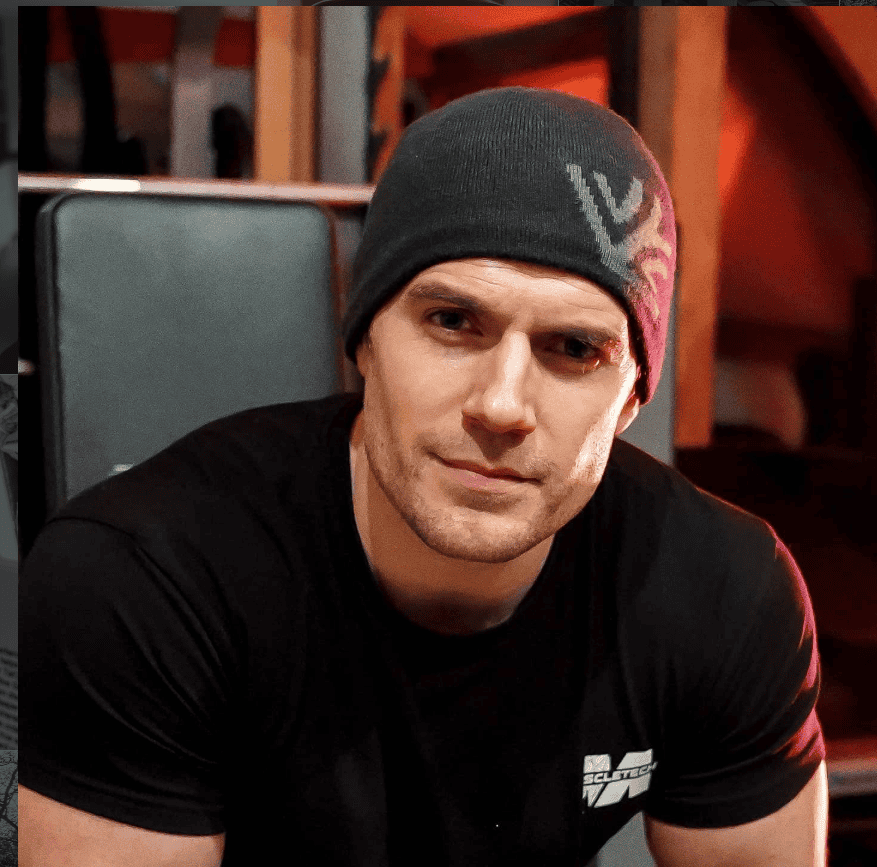
The danger begins when self-improvement turns into self-obsession.
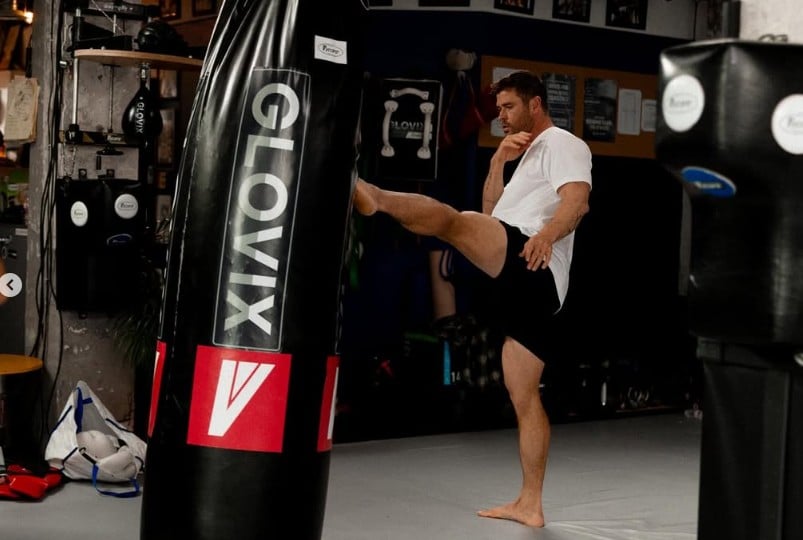
Mental health experts warn that constant comparison with influencers, celebrities and digitally enhanced images can create unrealistic expectations. Actors such as Henry Cavill, Chris Hemsworth and Michael B. Jordan are often presented as the ideal male appearance. Because of this, many young men are led to believe they must achieve similar facial symmetry, muscular physiques and defined jawlines to be successful or desirable.
Psychologists also warn that excessive focus on perceived flaws can contribute to anxiety, depression, low self-esteem and body dysmorphic disorder, a mental health condition where someone becomes consumed by imagined or minor imperfections in their appearance.
The movement has also been criticised for promoting toxic online communities that rank human value according to physical attractiveness while encouraging expensive procedures and unrealistic beauty standards. It also promotes chauvinistic incel culture. Furthermore, it pushes the ideas of social commentators like Andrew and Tristan Tate.
Looking after your health, fitness, and grooming can be positive goals. But when every mirror becomes a test, and every selfie feels like a competition, the pursuit of perfection can quickly become more damaging than rewarding.