
The concerns around alcohol-free beverages for children are already being taken seriously in some countries.
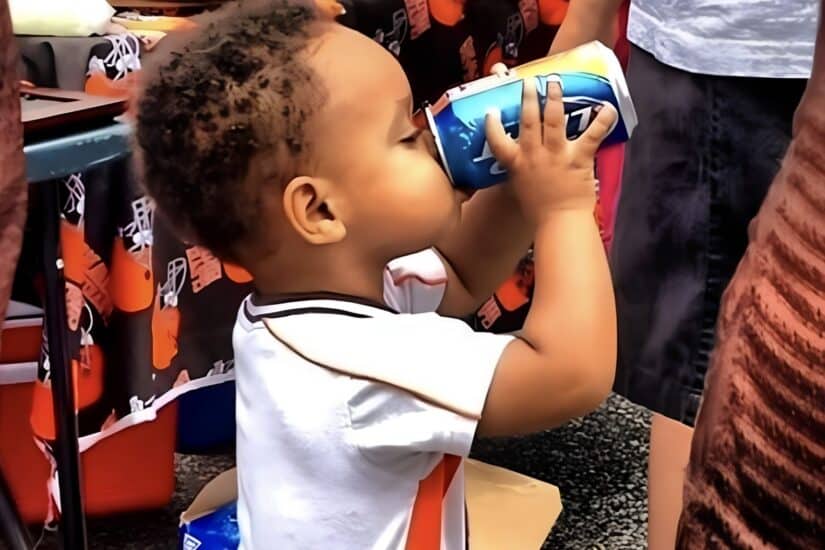
Young child drinking what looks like beer. Picture source FreshFM Namibia/Facebook


While some adults think it’s cute, a child holding a bottle of alcohol-free beer at a family braai or sipping a virgin strawberry daiquiri may not be as harmless as it seems.
While there is little or no alcohol in the drink, experts suggest the real concern may have less to do with what is inside the bottle and more to do with what the bottle or mocktail represents.
Cultural forecaster and netnographer Carmen Murray said the adultification of young children is a microtrend slowly gaining momentum and warrants closer scrutiny.
“We are seeing parents okaying serving alcohol-free beer at kids’ parties from pre-teen stage,” she said. “Mocktails or virgin cocktails, served not as juice but as their alcohol-free namesakes, are equally emerging in parallel popularity.”
The concerns around alcohol-free beverages for children are already being taken seriously in some countries. In the Czech Republic, a campaign recently warned parents about the potential risks of giving children non-alcoholic beers.
Research conducted for the campaign found that 23% of Czech children had consumed non-alcoholic flavoured beers, while 3% had consumed flavoured beers containing alcohol. Parents admitted serving flavoured beers to more than a third of children aged 11 to 15, and even to 11% of children between the ages of three and six.
Some countries are actively campaigning against it
In South Africa, the trend yielded divided public opinion. Murray said a recent anecdotal LinkedIn poll showed that 72% of respondents believed giving children alcohol-free versions of beer, wine or cider was “asking for trouble”.
A further 11% believed it was a good thing and 17% said it depended on the circumstances. The responses ranged from parents who felt alcohol-free products helped demystify alcohol to others who questioned why children needed alcohol-themed products in the first place.
Social worker Ingrid Pollak of Inner Essence is firmly opposed to the practice.
“In my opinion, it is a form of conditioning of children under the age of 18 to become alcohol consumers when they become of age to legally be able to drink. Adult drinks are not for children,” she said.
Pollak questioned the messages children may absorb when they repeatedly see alcohol associated with celebration, socialising and relaxation.
“Children might believe that it is normal to drink alcohol when they socialise, when they are stressed to relax, to celebrate, and so on. Alcohol shouldn’t be normalised as part of being an adult.”
‘Children might believe it’s normal to drink when socialising’
Concern over the practice is echoed by international alcohol policy organisation Movendi International, which has warned parents that alcohol-free beers and similar products may familiarise children with alcohol branding, packaging and drinking rituals at an age when they are still forming behavioural patterns.
Pollak said alcohol-free products were developed for adults who choose not to consume alcohol and not as beverages intended for children.
“Alcohol-free beverages were made for adults who do not, cannot, shouldn’t or don’t consume alcohol,” she said.
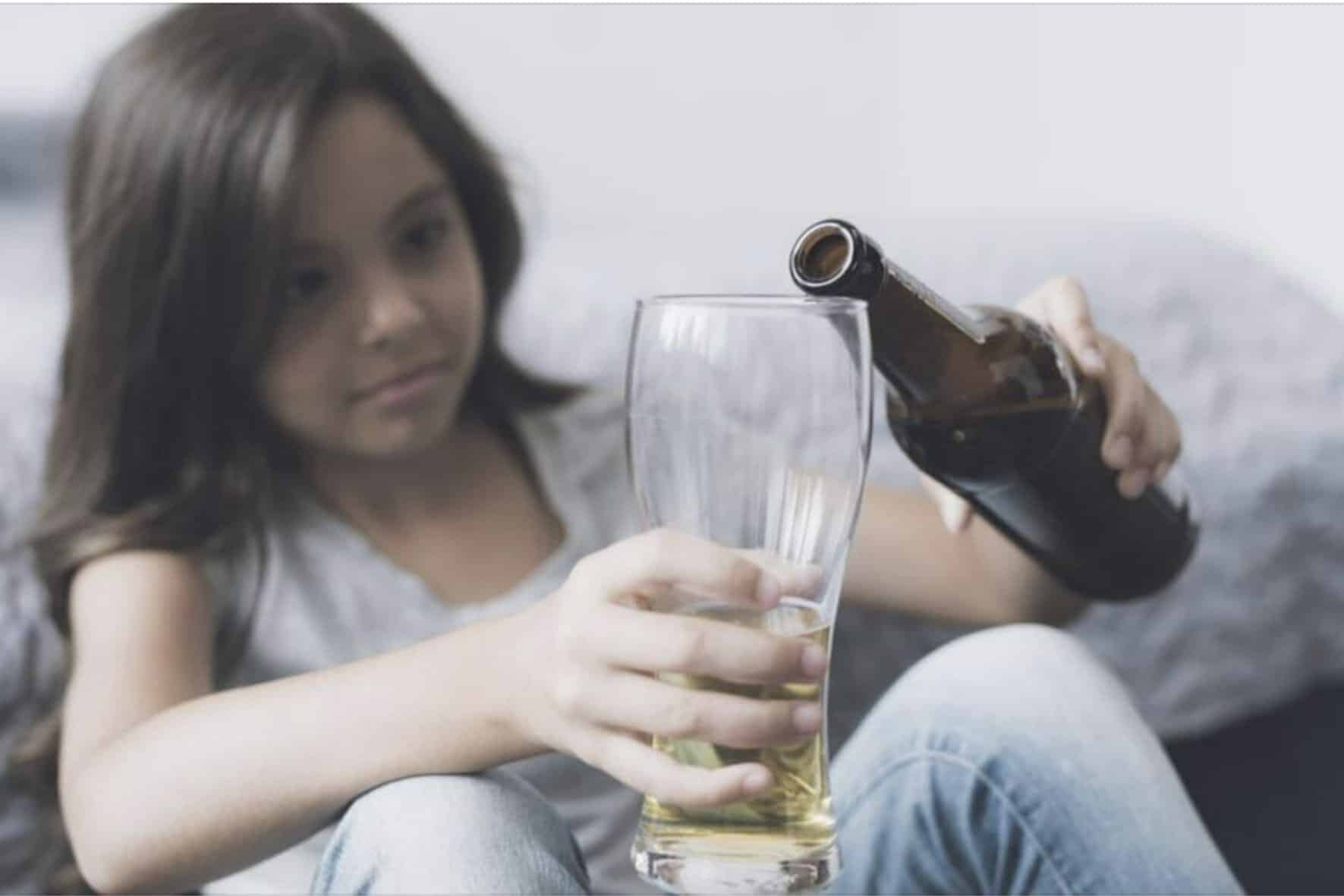
Murray noted that the popularity of alcohol-free alternatives forms part of a wider cultural movement driven by changing attitudes towards drinking.
“We are seeing younger generations redefine what socialising looks like. For many people, wellness is becoming aspirational and alcohol-free alternatives have become symbols of choice rather than deprivation,” she said.
However, she noted that the discussion changes when children become part of those rituals.
“Culture is built through symbols, rituals and repeated behaviours. Children learn what adulthood looks like by watching the adults around them.”
Cultural influence
Murray said that brands spend years building emotional associations around products and experiences, making it difficult to separate a beverage from the meaning attached to it.
“When children are invited into rituals that mimic adult drinking, we need to ask what exactly they are learning. Is the lesson about inclusion, or is it about associating celebration, belonging and social connection with behaviours traditionally linked to alcohol?”
She added that South Africa’s relationship with alcohol cannot be separated from the conversation.
“We live in a country where alcohol plays a significant role in many social occasions and where substance abuse remains a serious societal challenge. That context matters when we discuss products that mirror alcohol consumption.”
Pollak said that if parents choose to give children alcohol-free beverages, they should at least avoid presenting them in ways that imitate alcohol consumption.
“Although children may consume alcohol-free drinks, it can be given to them in an age-appropriate cup and not in a glass or anything that resembles an alcohol drinking glass.”
She added that she could see no benefit in introducing children to alcohol-free versions of adult beverages.