
Alcohol is facing growing competition from fitness, mindfulness and alcohol-free alternatives as Gen Z reshapes consumer trends.
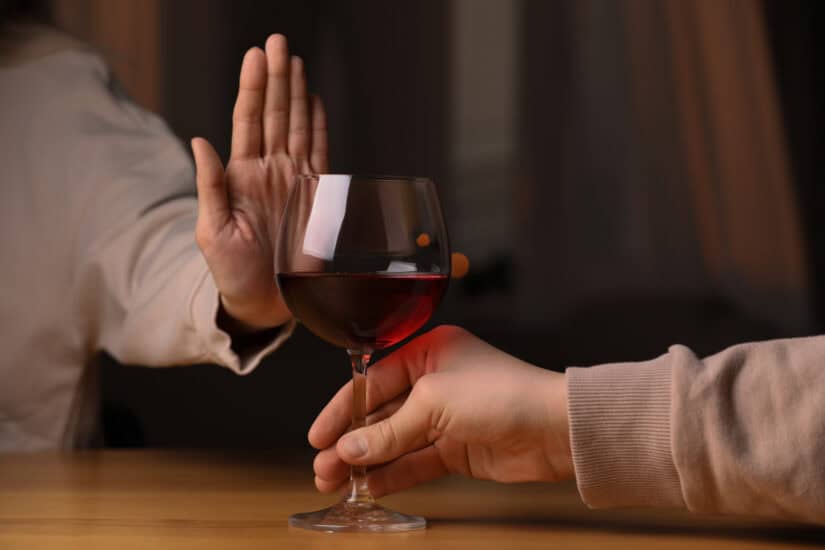
Younger consumers are cutting back on alcohol, favouring healthier lifestyles, mocktails and experiences over heavy drinking. Picture: iStock


Alcohol continues to wreak havoc in South African society, causing death and mayhem through violence and road accidents.
But, if the country tracks global trends, declining booze consumption could make these horrors a thing of the past in the next decade.
Gen Z is changing drinking habits
Global alcohol consumption is already on the decline, with one of the most noticeable trends driven by Gen Z: people aged between 14 and 29 who are shunning booze.
And, while they haven’t stopped drinking, they’re consuming far less than their elders.
A bar owner in Sunninghill, Joburg, said there has been a marked decline in younger people tippling.
When they do meet for drinks, cocktails are favoured over beers and brandies across both sexes and bills are not as generous as the numbers he keeps seeing at the end of other generations’ nights out, he said.
An East Rand bartender told The Citizen she has given up drinking, despite serving clients.
“I indulged a bit while I was younger,” said the 25-year-old woman, “but it’s just not worth the hangover.
“There are other mood enhancing things I can enjoy that are less harmful to my body.”
This, the bartender said, included cannabis products and energy drinks.
Another 25-year-old woman said she does not like that alcohol interferes with her wellness routines.
She goes to gym, yoga and prefers natural highs through meditation, going for spa treatments or reiki.
Her boyfriend also does not drink and only a few in her circle of friends indulge on social occasions, she said.
Wellness is replacing alcohol for many young adults
A restaurateur who owns several cocktail-type lounges has seen a move to premium brand drinking amongst his clientele.
“They drink less, but they spend more,” he said, adding that there are also some discernible generational gaps with men in their late 30s and early 40s – presently the biggest spenders by volume – while female drinkers in the same age category have not shown as much change.
“I think it may be stress-related; life-stage related,” he said. “Younger people are also ordering a lot off the mocktail [alcohol-free] menu as an alternative. You still get the optics, but not the kick.”
Drinks manufacturers said weaker sales since 2023 have been driven by escalating living costs, changing consumer habits, health concerns and the growing popularity of weight loss medication.
Trend analyst and social forecaster Carmen Murray said there was more behind the figures than the increasing cost of living.
Alcohol was competing with a much broader range of lifestyle choices than in the past, particularly among younger consumers who were placing greater emphasis on mental well-being, fitness and personal development, Murray said.
“There is a strong mental health conversation taking place among younger generations. They are becoming far more aware of the impact that food, drink and lifestyle choices have on their well-being.”
Social media had accelerated the popularity of healthier lifestyles by exposing younger consumers to athletes, fitness influencers and celebrities who openly promoted moderation, clean eating and exercise, she said.
“You look at sports stars who openly say they don’t drink alcohol. If you aspire to look like them or live like them, you start adopting many of those same habits.”
Alcohol was also competing with a growing interest in mindfulness, meditation, spirituality and self improvement, Murray said.
Although more research was needed, many younger consumers seem to be looking for purpose and well-being, instead of making alcohol a central player in their social lives, she said.
Drinks brands adapt to changing consumer demand
The trend is also evident in the beverages consumers are choosing. Renaldo Farinha, distributor of Mofaya Energy Drinks, said demand for energy drinks had grown steadily across the company’s consumer touchpoints.
While some people still bought them as mixers for alcoholic drinks, demand for standalone products was soaring.
His company had responded to changing demand by introducing a vitamin-based, non-caffeinated energy drink for consumers looking for a functional beverage, Farinha said.
Murray said this did not mean younger consumers had stopped drinking. Instead, alcohol had become one of many products competing for their attention and spending.
“They’re looking for experiences,” she said. “They want to participate and be part of something rather than simply consume.”
Businesses hoping to attract younger consumers needed to recognise that experiences, authenticity and well-being were just as important as what was inside the can.
Brands face new expectations from Gen Z
The attitudes to booze are interesting, too.
“To me, it tastes vile,” a 21-year-old said, while another Gen Zer said alcohol abuse was one of the reasons that his parents got divorced, a pattern of behaviour he wants no part of.
A psychologist said people only have to look at liquor advertising to see a new seeking out of “cool” by premium brands, in particular.
“Brands seem to be chasing the same, younger consumer,” he said, “by trying to be too cool. What it does is achieve a negative effect instead, because it’s talking down to younger consumers and forcing a good-time narrative. Gen Zers would rather drink an energy drink that walks its talk and doesn’t try to insert itself into culture.”