
The Galaxy Z Fold 8 Ultra, Z Fold 8 and Z Flip 8 are available immediately but come with hefty price tags.
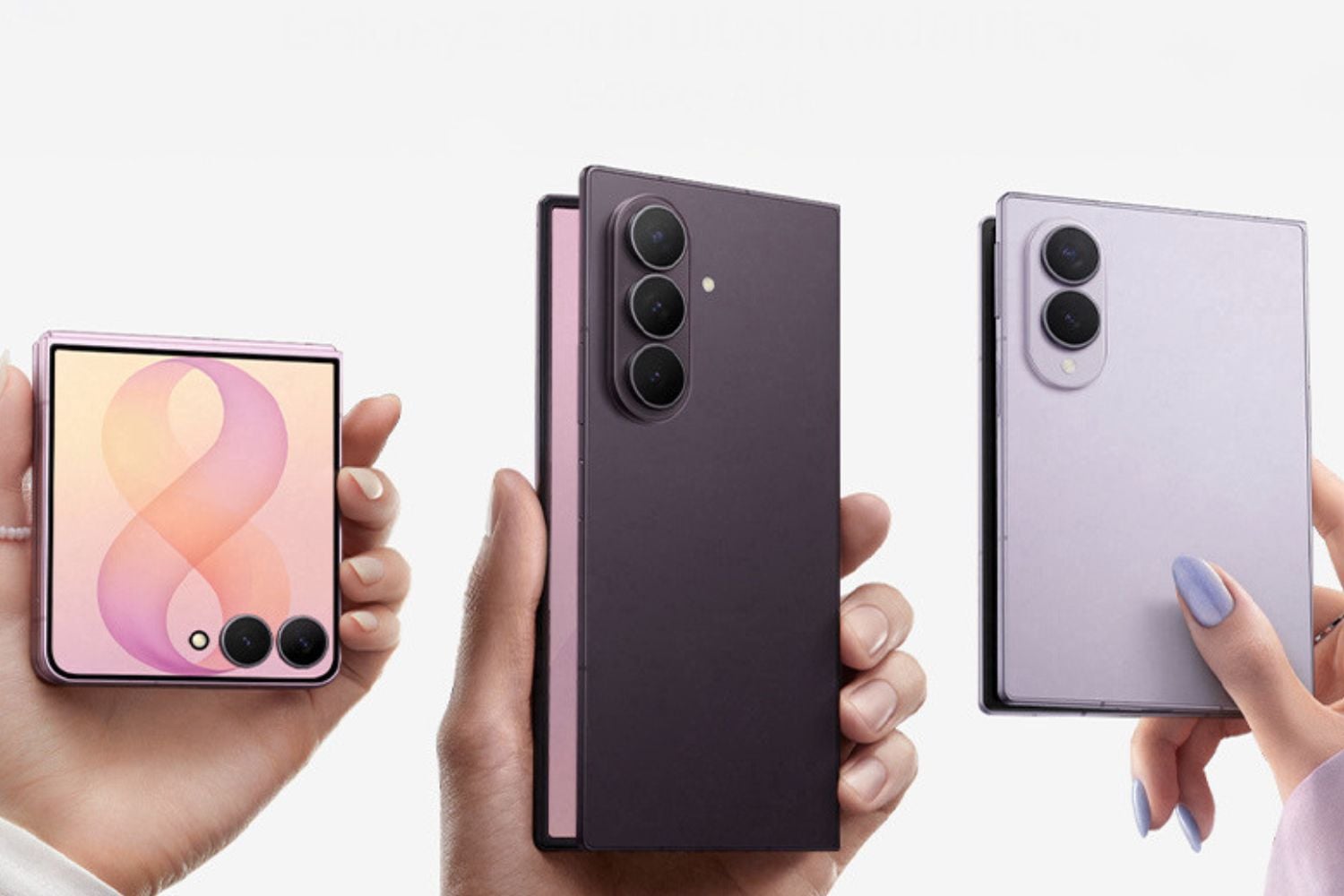
The Galaxy Z Flip 8 Z Fold 8 Ultra and Z Fold 8. Picture: Supplied.


Samsung may have beaten Apple to a new foldable form factor, unveiling the Galaxy Z Fold 8 at its Galaxy Unpacked event live‑streamed from London on Wednesday.
The South Korean company introduced three new smartphones, two smartwatches and teased AI‑powered glasses, underscoring its push into premium devices to gain market share on its competitors.
Impressions
Samsung unveiled three foldables as part of its Galaxy Z series.
The Galaxy Z Fold 8 Ultra, Z Fold 8 and Z Flip 8 are available immediately but come with hefty price tags. Contract pricing will also weigh heavily, with mobile companies stretching repayment periods to 36 and even 48 months.
Affording the new devices is going to require more than just small change from the couch.
While the event generated hype around the new form factor, the actual innovations felt modest, with durability and battery tweaks dominating.
The Galaxy Z Fold 8 is likely to appeal to Gen Z and influencers, though its similarity to the Flip 8 may dilute demand. Huawei already offers a comparable Pura X, and Apple is expected to launch its first foldable later this year.
Galaxy Z Fold 8
The Fold 8 debuts a shorter, wider design with a 7.6‑inch inner display and 5.5‑inch cover screen. Powered by Snapdragon 8 Elite Gen 5, it offers up to 16GB of RAM and 1TB of storage.
Dual 50MP rear cameras and a 4 800mAh battery round out the package, starting at R40 999. Its standout Flex Titanium hinge reduces crease visibility.
When asked to summarise the new Galaxy Z8 series in a single word, Hume offered two central concepts:
Hume described the series as self-actualising and encapsulated it with freedom. He noted that the lightweight, portable device enables next-level multitasking and deep AI integration across the ecosystem. You can read the full direct quotes in the referenced source
“We’ve now got a foldable for everyday immersion, one for maximum productivity, and one for self-expression. These are actually three different phones for three different audiences.”
Galaxy Z Fold 8 Ultra
The Ultra sticks to the taller book‑style format but ups the ante with an 8‑inch display, 200MP wide camera and 5 000mAh battery with faster charging. At R50 999, it’s Samsung’s most premium foldable yet.
The Flip 8 remains the compact clamshell option, with a 6.9‑inch inner display, 4.1‑inch cover screen, 12GB of RAM and a 4 300mAh battery, priced from R26 999.
Smartwatches
The Galaxy Watch 9 introduces a slimmer profile and AI‑driven health tracking. The Watch Ultra 2 targets outdoor users with a rugged build, 800mAh battery and 5G connectivity.
Battery life remains a weak point: Samsung’s Ultra lasts about 60 hours, while Huawei, Honor and Garmin watches stretch to 15 days.
Eyewear
Samsung teased Galaxy Glasses, developed with Google and fashion partners. Promising Android XR and Gemini AI integration, they are expected later in 2026. Competition is fierce, with Meta leading the race in eyewear tech.
Pros
- Refined foldable designs with stronger hinges and brighter displays.
- AI‑powered wearables enhance health tracking.
- Galaxy Glasses signal Samsung’s ambition in AR and AI.
Cons
- Prices remain prohibitively high, especially for the Ultra.
- Qi2 wireless charging is still not supported.
- Incremental upgrades may underwhelm existing users.
Verdict
Samsung’s latest Unpacked event highlights its commitment to foldables and wearables, but premium pricing and limited innovation may restrict mass adoption. The Galaxy Glasses teaser hints at a bold future, yet for now the challenge remains convincing consumers that foldables justify the investment.