



The company estimates it has created R1.6 billion in additional value for restaurants and saved consumers more than 12.7 million hours a year.
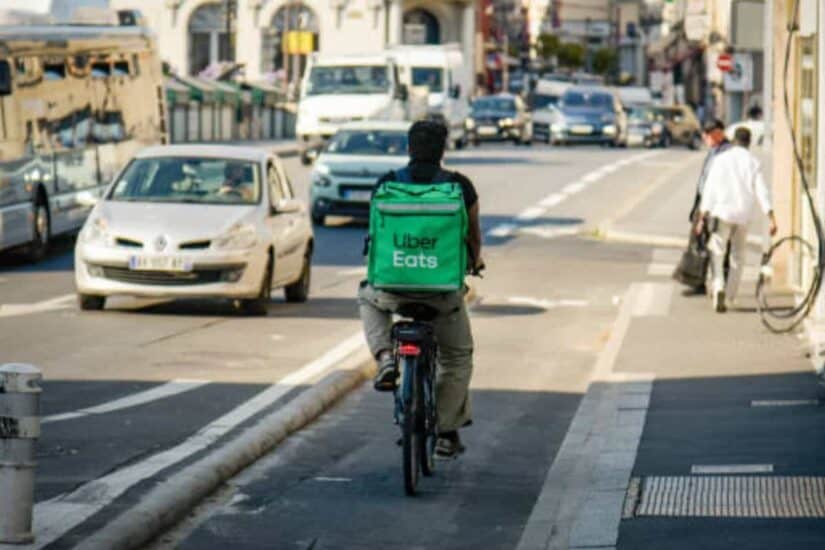
A decade after launching in Johannesburg, Uber Eats is marking ten years in South Africa. Picture: iStock


A decade after launching in Johannesburg, Uber Eats is marking ten years in South Africa, highlighting what it says is a meaningful contribution to the local economy.
But the milestone also raises broader questions about digital platforms’ role in shaping work, access and inequality.
Value
The company estimates it has created R1.6 billion in additional value for restaurants and saved consumers more than 12.7 million hours a year.
Since its debut in September 2016 as a restaurant delivery app, Uber Eats has grown into a nationwide marketplace connecting merchants, couriers and customers.
“Ten years later, the platform has become part of how South Africans access what they need, while helping businesses connect with more consumers and creating flexible earning opportunities,” said Ntsoaki Nsibanyoni, General Manager for Uber Eats South Africa.
Township partnerships
Uber Eats points to its township partnership with the Gauteng Department of Economic Development (GDED), which it says has generated over R1 billion in economic value and expanded access to digital infrastructure.
The platform has also introduced its HDP feature, designed to highlight stores and restaurants owned by historically disadvantaged people. Johannesburg and Pretoria account for the largest share of HDP merchants, followed by Cape Town and Durban.
“Digital platforms can play an important role in expanding economic participation, particularly by creating earning opportunities for young people and helping businesses connect with more consumers,” said Vuyiswa Ramokgopa, Gauteng MEC for Economic Development.
Growth
The Uber‑owned platform, which launched in Johannesburg in September 2016, now operates across all nine provinces, connecting restaurants, retailers, couriers and consumers.
Nsibanyoni acknowledged that the platform’s growth has depended on merchants and couriers.
“Our growth over the past decade wouldn’t have been possible without the merchants and couriers who have grown alongside us. As we mark 10 years, we’re celebrating their role in shaping what Uber Eats has become in South Africa,” she said.
Food culture
A decade of orders also reflects South Africa’s food story. Fried chicken with pap has been the most ordered meal, alongside chakalaka, malva pudding and bunny chow.
Regional tastes stand out: sushi in Cape Town, grilled chicken in Durban, and burgers and peri‑peri chicken in Johannesburg and Pretoria.
The company also highlighted consumer behaviour, from one customer placing 2 500 orders in 10 months to another ordering the same coffee more than 700 times in a year.
Delivery times have accelerated, with a grocery order completed in under two minutes in Cape Town and a peach‑flavoured rooibos iced tea delivered in less than 50 seconds in 2025.
Balancing opportunity and concern
While Uber Eats emphasises its role in creating value and convenience, critics of gig‑economy platforms often raise concerns about job security, fair pay and working conditions for couriers.
Labour researchers and unions argue that while platforms frame courier work as “flexible earning opportunities,” the reality is often long hours, unpredictable demand and pay structures that leave workers vulnerable.
Couriers
Couriers shoulder costs such as fuel, data and vehicle maintenance, while lacking benefits like medical aid, pensions or paid leave.
This tension highlights the double‑edged nature of digital platforms: they broaden access to markets and convenience, but can also entrench precarity and deepen inequality if regulation and protections do not keep pace.
The milestone therefore represents both achievement and challenge: a platform that has undeniably reshaped food delivery and digital commerce in South Africa, but one that also sits at the centre of debates about how technology can broaden access without eroding worker security.



