
Gauteng identified as human trafficking hot spot in SA
In the fastest growing criminal industry in the world, raking in R258tn a year, areas in Gauteng have been identified as trafficking hotspots with others earmarked as exploitation areas.
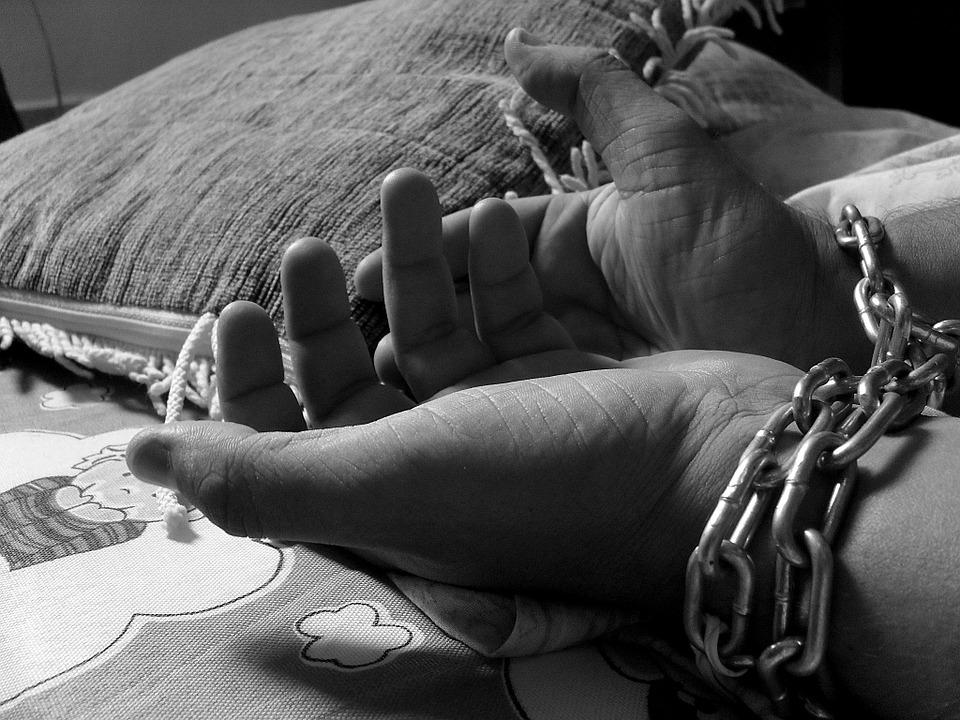
Benoni, Springs, Fordsburg, Krugersdorp, Sunnyside, Vereeniging and Vanderbijlpark have been identified as hotspots for human trafficking while Springs, Hillbrow, Randburg, Pretoria, Moreleta Park and Heidelberg are deemed to be exploitation areas where victims of human trafficking are held.
This is according to the #TheTraffickYouNeedToKnow campaign implemented by NGOs – A21, the National Freedom Network and award-winning through-the-line agency Think Creative Africa. The campaign focuses on the state of human trafficking in South Africa, a country seen as a source, destination and transit country for human trafficking, particularly Gauteng.
According to the campaign, human trafficking is the fastest-growing criminal industry in the world, generating more than R258 trillion per year.
An estimate 2.8 out of every 1 000 people in Africa are living in modern-day slavery. Of the trafficked victims recorded in Africa, 64% are children.
The website 0800222777.org.za says that current statistics show that only 1% of human trafficking victims are rescued. The internet (social media networks in particular) is the tool mostly used to identify, research and recruit victims.
Traffickers mainly use the following tactics:
- Fake job offers (often for jobs abroad): When victims arrive at their destination, they find that the conditions are different than advertised. Their IDs or passports are often taken away. They are then forced into labour or sexual exploitation.
- Lover boy: The trafficker courts the victim and pretends to be in love with her. Once he earned the victim’s trust, she is sold for sexual exploitation.
The different types of human trafficking are:
- Trafficking for forced criminal activities,
- Trafficking for sexual exploitation,
- Trafficking for forced labour
- Trafficking for the removal of organs.
Human trafficking also affects men. This is evident in several recent rescue efforts of large numbers of potential victims from houses in Gauteng where they were being held.
Nkgabiseng Motau, Think Creative Africa co-founder and chief creative officer, says: “Freedom Day marks the liberation of our country and its people. But it is more than that. It reinforces the freedom we enjoy today, such as freedom of movement, speech and choices, of which human trafficking violates.”
A21 South Africa country manager, Katie Modrau, says human trafficking is at an all-time high within our societies and many incidents goes unnoticed.
“We’d endeavour to bring awareness to this crime, the many facets it presents and how civil society can play its role. Human trafficking is the abuse of children, women and men for their bodies and labour. It’s modern-day slavery.
“The more we know about this issue, the more we can protect ourselves, our loved ones and our communities No one person can do everything, but everyone of us can do something,” says Modrau.
Diane Wilkinson, CEO of National Freedom Network, says to effectively combat human trafficking, strategic networking, collaboration and partnership is needed.
“We also need awareness. We need civil society to work with government entities. More discussions need to take place on public platforms,” says Wilkinson.
Report any human trafficking suspicions to 0800 222 777 or visit 0800222777.org.za or www.a21.org or www.nfn.org.za for more information. Join the conversation at #TheTraffickYouNeedToKnow
Read original story on bedfordviewedenvalenews.co.za


