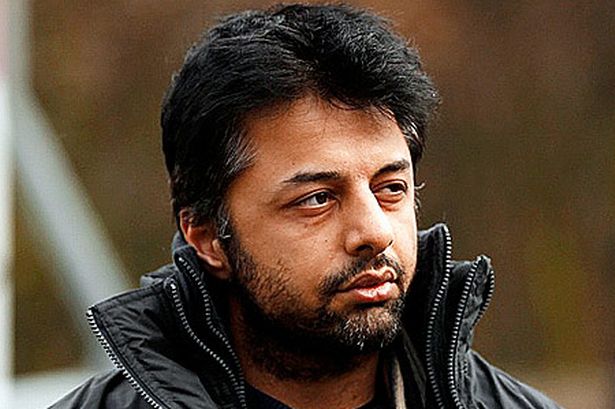
CAPE TOWN – British businessman Shrien Dewani was acquitted in terms of Section 174 of the Criminal Procedure Act today. He was accused of orchestrating the murder of his wife in December 2010.
The late Anni Dewani (the victim) was kidnapped and murdered in Gugulethu while on her honeymoon on November 13, 2010. Taxi driver Zola Tongo admitted that he murdered her and was sentenced to 18 years in prison on December 7 that year. Mziwamadoda Qwambe plead guilty on the same charge in August 2012 and received a life sentence. Xolile Mngeni, who passed away on October 18 this year, was also found guilty of her murder and sentenced to life in prison.
Tongo entered into a plea bargain with the state and averred that Dewani offered them R15 000 to have his wife killed. Dewani was extradited to South Africa and faced murder charges in the Western Cape High Court, where he was acquitted today.
Amidst the international public’s apparent outrage at the court’s decision, Lowvelder researched the law to provide an understanding as to why Deputy Judge President Jeannette Traverso may have made this decision.
Section 174 determines that, when the state has closed it’s case, application may be made for the acquittal of the accused. This will be granted if the court sees that there is no evidence that will justify a guilty verdict against the accused. Paraphrases of this rule of thumb include: “there is no evidence on which a reasonable person would convict the accused in a South African court of law.”
The has a constitutional duty to discharge the accused when the evidence against him has reached a level where the reasonable person would not have been able to find the accused guilty of the alleged crime within our constitutional framework.
Traverso found the evidence in this case not to be reliable as it was full of contradictions. Based on the fact that she did not consider the three witnesses for the state (Messrs Zola Tongo, Mziwamadoda Qwambe and Monde Mbolombo) to be credible, she labeled the evidence against the accused insufficient to find him guilty.
For the initial update, read here