Lowvelders struggle to keep cool
A round-up of the temperatures and rainfall for the festive season.
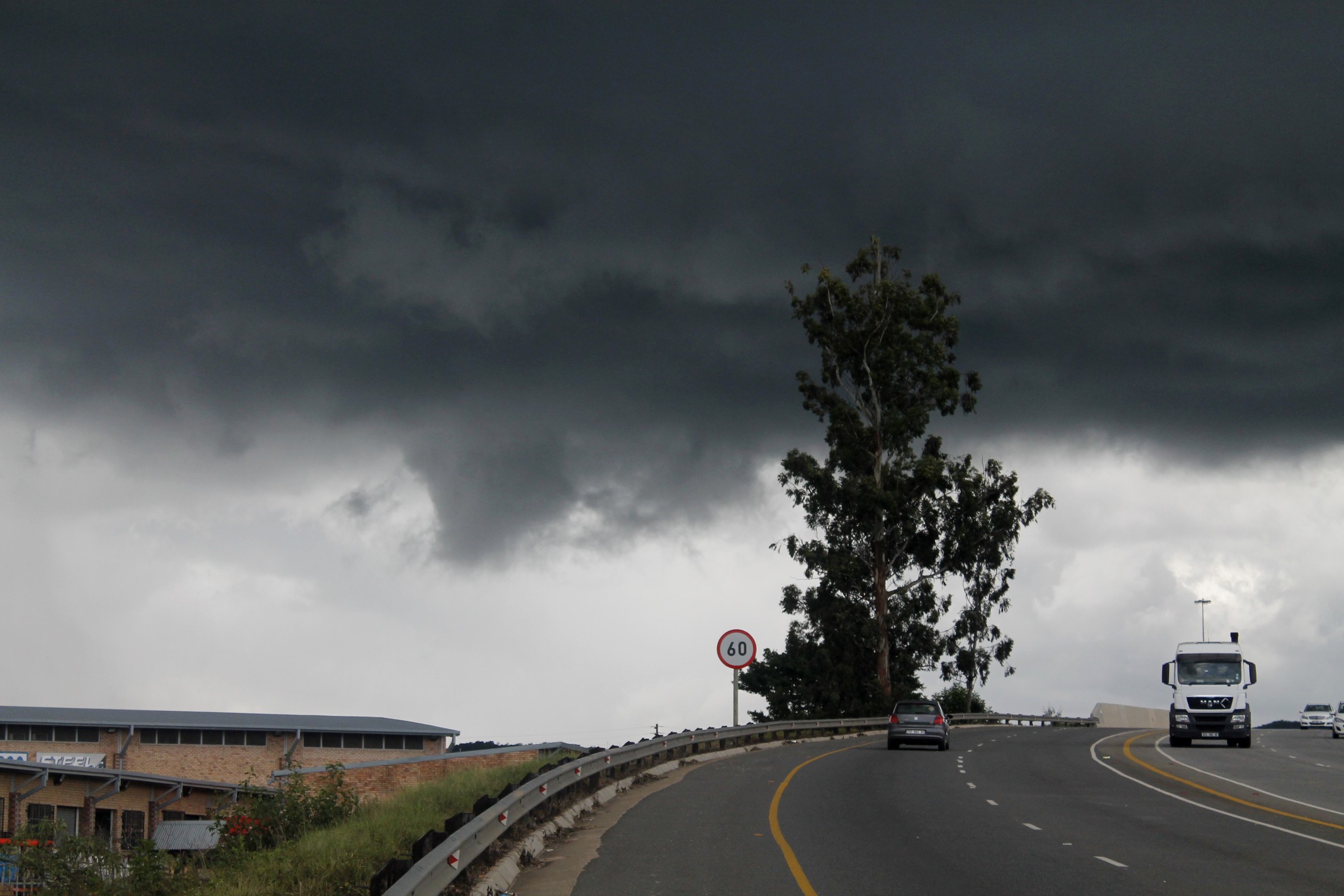
MBOMBELA – Heavy rain and scorching heat are typical of Lowveld summers. However, this festive season residents experienced many days with temperatures well over 30°C and rivers in the Kruger National Park were flooded before the end of 2014. Statistics show that it was generally hotter and wetter than in 2013.
This is due to a combination of dominant weather patterns and is not necessarily a manifestation of global warming, says Ms Elsa de Jager, climatologist at the South African Weather Service (SAWS).
Mbombela experienced a total of 150,8mm rain in December, which is up from 2013’s 137,8mm, while Hoedspruit had 146,8mm. In 2013, the latter had 124,4mm. Graskop had the most rain in the Lowveld in December 2014 with a total of 252,2mm, but this is a decrease from 2013 when 381,8mm was recorded.
The most rain Mbombela had in December was 30,2mm on December 15. Graskop recorded 50mm on December 26 and 55,4mm on December 28. Hoedspruit experienced a whopping 68,4mm on December 27.
“The conditions were triggered by a widespread inflow of tropically sourced moisture from the north, which was caused by a combination of a tropical low pressure in Botswana and a westerly trough (an extension of low pressure) moving through South Africa,” said a press release by SAWS last month.
Climatologist Mr Asmorem Beraki says the heavy rainfall and high temperatures in the Lowveld are largely influenced by the equatorial Pacific Ocean.
“This weather pattern has the biggest influence on the north-easterly part of South Africa. If the equatorial region experiences high pressure, we have low pressure, which brings rain.”
Lowvelders might also have noticed a few days of spiked temperatures, as on Christmas Day. In Mbombela, Graskop and Hoedspruit this was the hottest day of the month with temperatures reaching 31,6°C, 30,3°C and a scorching 37,1°C respectively.
Mbombela’s average temperature during the month was 25,7°C, slightly warmer than the 23,6°C the year before. The average for Graskop was 22,6°C, where it was 20,4°C in 2013. Hoedspruit’s average was 30,1°C in 2014 compared with 28,9°C in 2013.
Another contributing factor was a cold front in the Western Cape on this day. When a cold front reaches the western part of the country which moves towards the east, the latter part experiences low pressure and warm to hot days.
“We shouldn’t jump to conclusions about global warming by comparing the temperatures of only two years,” says De Jager. “The differences in the temperature can only be ascribed to which weather pattern was dominant at the time.”