It’s not a waste to get involved
Recycling is part of the three R's: Reduce, reuse and recycle
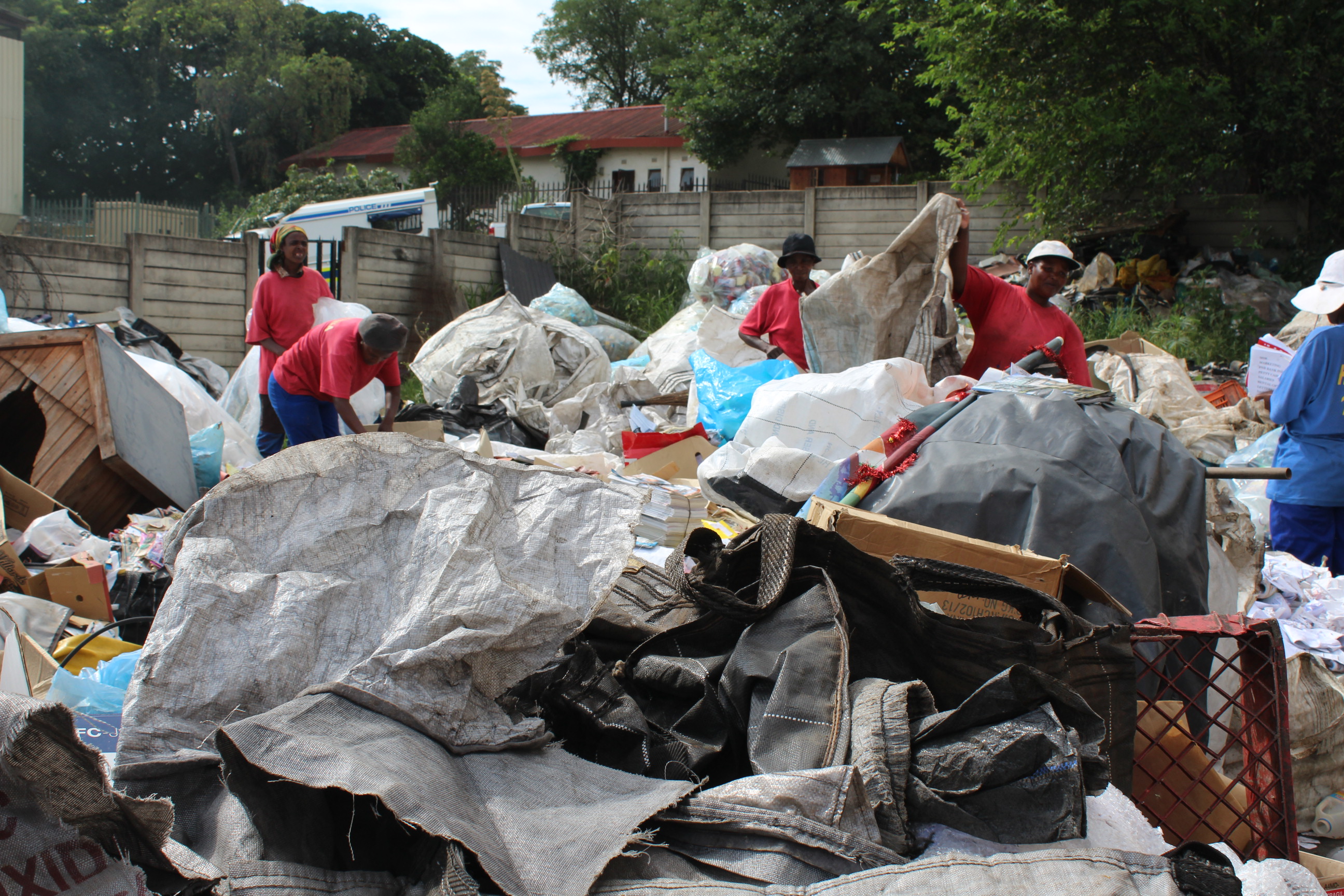
MBOMBELA – It’s called the business of three Rs: reduce, reuse and recycle, and it is with the third in mind that Lowvelder launched an investigation. Just how easy is it to recycle items in the city? What we have found is that refuse in the city is going to waste.
The way in which residents of Mbombela get rid of their waste material, is still very traditional. Residents place their refuse in black bags on a sidewalk to be collected once a week. Municipal workers collect the bags and put it on a truck to transport to waste-management dumps around the city.
The decision to change this traditional way of refuse removal to the recycling of the big five items, paper, cardboard, glass, tin and plastic, was made by the Mbombela Local Municipality about three years ago. However, it stopped after it reached the tender process. Since then nothing has happened, although it is definitely not off the table, says communications officer Bessie Pienaar. “Waste separation at the source has the same meaning as recycling and going green as all these processes are at planning phase at the moment.”

Local businesses are already doing that – waste separation at source – before they dispose of their waste.
Many would bring certain items to the drop-off centre in Suikerriet Street in the industrial area. The municipality gave permission to the Asibongeni group of 10 women to separate the waste for their own pockets.
Asibongeni group of women at Drop Off Centre Suikerriet Street

They would separate the five recyclable articles and then sell it to Greens Recycling, where the various items would be compacted and then sold to companies in Johannesburg, which will reuse the material in different ways.

Recycling is the right way to go, says Rayman Vinesh, the transport supervisor at Greens Recycling. “Just consider that one ton of recycled paper can save 17 trees and that is not all: If all household paper and cardboard were recycled, it could save almost a million cubic metres of landfill space.”
His colleague from Interwaste Environmental Solutions, Reynard De Jager added, “The energy saved from paper recycling in a year is sufficient to provide electricity to 512 homes a year.”

Lowvelder also approached the Glass Recycling Company which confirmed that the energy saved from recycling one bottle, will power a 100-watt bulb for almost an hour.
Consumers should remember that what they buy, influences that what’s made, according to Petco, involved in recycling plastic bottles, and Collect-a-Can, involved in re-smelting of tins and cans.

Petco advises that 19 half-liter bottles can be recycled into enough fiber filling for a standard pillow and Collect-a-Can says that re-smelting of cans for one year can recover 36 000 tons of high-grade steel.

Lowvelder established, from the local municipality, that recycling is on the agenda for the next financial year.
It seems a waste not to get seriously involved with the three Rs.