New gold rush at Pilgrim’s
The reopening of numerous mines in the old mining town might mean a new rush of tourism.
PILGRIM’S REST – If there is one common misconception about this historic town, it is that there is no more gold beneath it. Seven mining rights have been granted to reopen historic mines to unearth the precious metal, and six additional exploration rights have already been implemented.
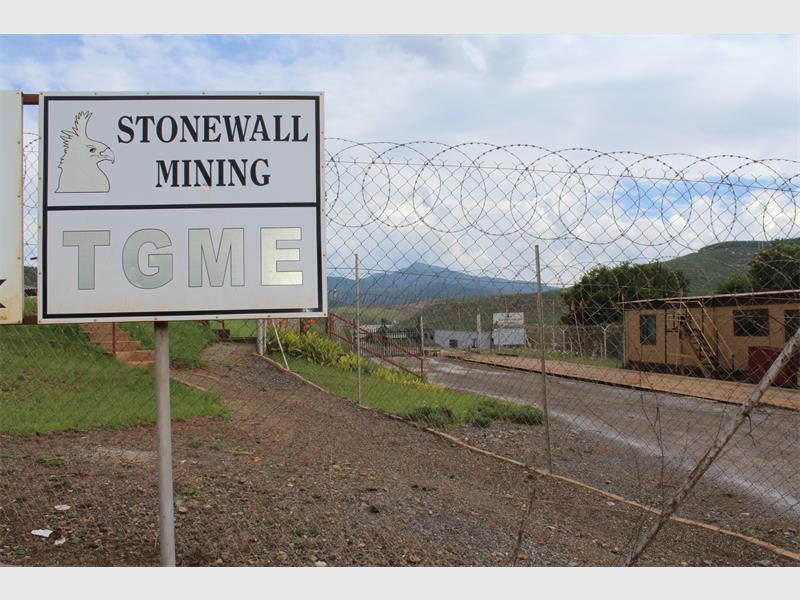
The Transvaal Gold Mining Estate (TGME) firstly reopened Beta Mine in January. Operations on the second one, Ponieskrans, have also commenced and it is expected to open in March.
Lowvelder joined Mr Lloyd Birrell, stakeholder of TGME and group manager Ms Jenique McNaught at its offices on a visit to one of the mines.
“The mines are shallow and we do not need to install mine shafts,” said Birrell. “This makes access to the mine much cheaper than others in the country, like in Witwatersrand, where gold is located deep below the earth.”
The Department of Mineral Resources granted the company mining rights to the area from Bourke’s Luck in the north, all the way down to Hendriksdal. “The area spans about 26 000 hectares.”
According to McNaught, they had discovered 43 historic mines in the area. TGME gained prospecting rights for six of these, which means it can reopen them, explore them and discuss mining strategies.
She says, besides the fact that the mines already have established tunnels and infrastructure, another way in which TGME will save money is by exhuming premined residue (PMR).
“Miners in the 19th century had very limited light in the mines. They would extract all the gold they could see and then push the stopes back into the mine wall. They didn’t see all the gold still left in this residue. Mining PMR requires less capital than to build a new mine from scratch.”
As far as Birrell knows, these mines have the largest deposit of PMR in the country. TGME was taken over by Stonewall Mining in 2010, although ministerial approval was only given in 2012. Since then, TGME recruited investors from China, which would have meant a massive financial injection into the country. However, the deal fell through at the last minute and the company had to seek financial aid elsewhere.
“It was such a disappointment,” said Birrell. “Investment to the value of
R1,4 billion would have entered South Africa. Unfortunately the investors decided to support another business.”
TGME ensures the mining will have little, if any, impact on the environment. “The mines are all underground and we have already submitted our environmental-impact assessment. We reuse the water used in the extraction process and the clear water which runs from the mine flows back into the Sabie River.”
TGME then raised the funds to open the first mine itself and was financing the next mine with profit made from the previous one.
Birell believes the reopening will bring major economical upliftment to the region. “We strive to empower the community as much as the investors,” said Birrell. “We will employ as many mining-skilled locals as possible. Hotels will be full and tourism will flourish again.”