Locals found foetuses next to the river banks
“With the help of the Tubatse Police, we forced them to exhume the fetuses and bury them in their yard. We were even prepared to allocate the local graveyards for them,” one of the community leaders, Mr Dan Marebane said.
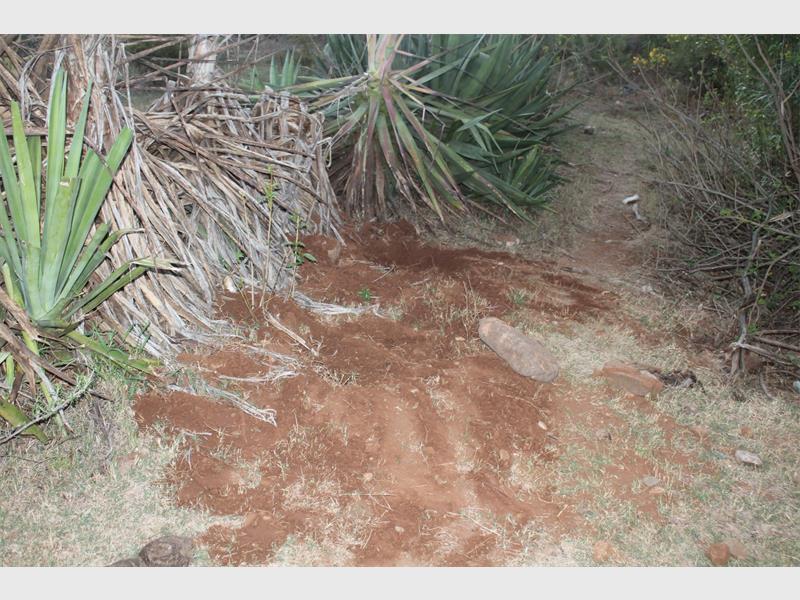
MABOCHA- Villagers were shocked to find two foetuses buried by Mozambican nationals on the banks of Hlahlaneng River on Monday September 14.
According to people who were the first to discover the graves, the smell at the river which they used as a source of water, was unpleasant.
“We looked around and found a suspicious stinking spot where pieces of blanket and cardboard boxes were visible. It was clear that the boxes and the blanket were used as coffins for something that was buried there,” the source revealed.
According to the eyewitnesses, upon their investigation they discovered the two foetuses were buried by Mozambicans nationals who are residing in the village.
“We were told by other villagers that they saw two foreigners digging next to the river and we concluded that they were the culprits.
“With the help of the Tubatse Police, we forced them to exhume the fetuses and bury them in their yard. We were even prepared to allocate the local graveyards for them,” one of the community leaders, Mr Dan Marebane said.
Speaking to Steelburger/Lydenburg News one of the Mozambicans, Mr Costa Sithole told the newspaper that it was in their culture to bury miscarried babies next to rivers.
“In our culture we bury the unborn babies on the river banks, we were wrong to practice our culture in a foreign land,” he said.
Sithole said they were given permission to bury the babies next to the river by one of the indunas whose name is known to the paper. The bodies were buried last Monday September 7 and were believed to be that of twins miscarried at seven months.
Sithole said the parents of the dead babies travelled back to Maputo a couple of days ago.
Marebane added that the Hlahlaneng River is their only source of water, “We are now scared to fetch water there.
“The problem in our area is the so-called community induna, who gave the foreigners permission to bury the bodies next to our river.”
When the newspaper left the village, the bodies were reburied at the foreigner’s yard and the locals seemed to have buried the hatchet with them.