Strict water-use restrictions for Sekhukhune
According to Mosoma, on October 14 the recorded reservoir levels in Burgersfort were: main reservoir level - 90 per cent, reservoir number 1 - 26 per cent, reservoir number 2 - 46 per cent and reservoir number 3 only had 21 per cent water. In Ohrigstad, the upper reservoir level is at present 69 per cent and the booster pump station reservoir is at 53.
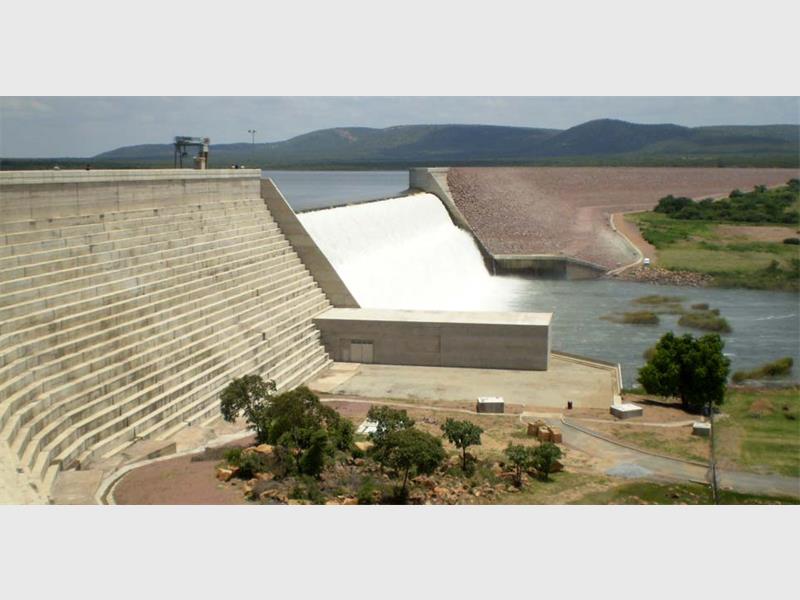
SEKHUKHUNE – In response to the current drought and water shortages all over the country, the Sekhukhune District Municipality (SDM) recently implemented water restrictions all over the region.
The municipality’s communication officer, Mr Willy Mosoma, said the country is facing major challenges with regard to the drought. “We were left with no choice but to adopt water-use restrictions. These mandatory regulations will help SDM meet its self-goal, to improve the condition of our groundwater basin.
“Our dams and river water levels are too low, this is the reason most residents are experiencing water shortages in Burgersfort. The town is severely affected by the drought and the impact is felt. SDM is abstracting 5,7 megalitres instead of 13 from Spekboom River and this is a result of the national water restrictions imposed by the Department of Water and Sanitation.
“We are pumping 4,9 megalitres to Burgersfort residents, instead of the
13-megalitre demand. This means that if water is not used sparingly, the communities will experience low water pressure and some residents may not receive any at all,” Mosoma warned.
According to Mosoma, on October 14 the recorded reservoir levels in Burgersfort were: main reservoir level – 90 per cent, reservoir number 1 – 26 per cent, reservoir number 2 – 46 per cent and reservoir number 3 only had 21 per cent water. In Ohrigstad, the upper reservoir level is at present 69 per cent and the booster pump station reservoir is at 53.
“Communities are therefore encouraged to use water sparingly, especially those who live where the levels are incredibly low. The municipality will continue to provide tanks where there is no water at all.
“No irrigation of gardens at all including those using a borehole-water supply. No brushing of teeth on a full running tap.
Residents have to install a dual-flush system instead of a large one which uses nine litres, while the small system uses four per flush,” Mosoma noted. Some of the water-use efficiency programmes entail taking a shower instead of a full bath, avoiding the washing of paving and driveways with a hosepipe. Don’t wash vehicles when using a hose, instead use a bucket or alternative foam wash.
Water percentage in the Sekhukhune area’s dams
Flag Boshielo Dam – 20%
Blyderivierpoort Dam – 41,8%
Loskop Dam – 44,7%
De Hoop Dam – 82,7%.