What it is like to be a field ranger in the Masai Mara in Kenya
Masai field ranger from the Masai Mara in Kenya, Titimet Nampaso, came to South Africa and was taken for training through the Kruger National Park to Maluleke for training. His views on conservation are refreshing.

MBOMBELA – When he was still in school and living in hostel, going home to the savannah wilderness during holidays meant Masai field ranger from Kenya, Titimet Nampaso or better known as Moses, could be close to the animals on the grassy plains that he so dearly loved.
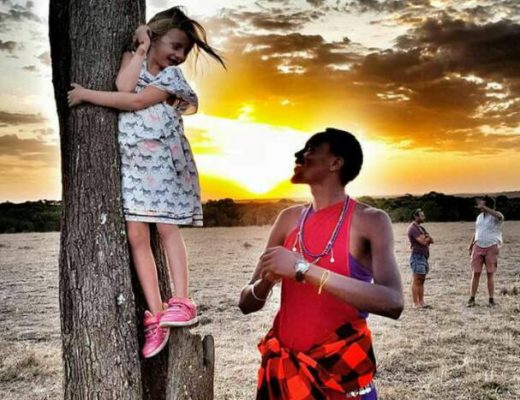
Titimet Nampaso
He shared his love for conservation with Lowvelder during a recent visit to Mbombela to be retrained by EcoTraining who regularly gives courses in the Karongwe Game Reserve in the southwest of the KNP as well as in Makuleke-area in Pafuri.
He said it was during one of those holidays that he had an encounter with two Thompson’s gazelles. They locked horns during a fight and looked up at him in desperation.
READ AND SEE MORE ABOUT CONSERVATION IN TANZANIA
“I could feel the connection between myself and the feeling of wanting to help animals in need. My sense for conservation was born at that moment,” said Nampaso.
His dream to protect and preserve nature came true. Today he is a field ranger on the edge of the Maasai Mara National Reserve.
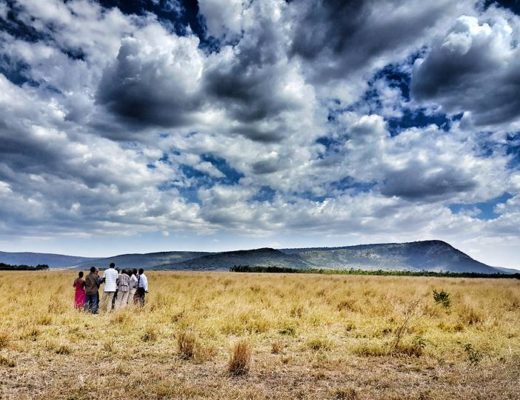
This legendary area is in south-western Kenya along the Tanzanian border. It is home to a wide variety of animals and famous for the annual migration of wildebeest on the plains.
He believed EcoTraining would enable him to be the head trainer at Mara Training Centre in Kenya, which is a dream of his. This dream came true.
Nampaso has strong views of conserving all that is wild and free.
“We should not only respect nature, but should be sensitive and have respect towards one another. This is what I want to teach at the centre so that events like the migration, do not lead to traffic congestion and vehicle jams in parks when we should be celebrating nature.”
Respect is a word you hear him use all the time. Two other factors must also be in place according to this humble man.
“You can only create sustainability in conservation if you, as a field ranger, act ethically. You need to live a principled life. This is the example I want to set for my students.”
The full bouquet of field-ranger skills will be taught at the centre. “We want to build capacity on the ground for conservation in Kenya.”
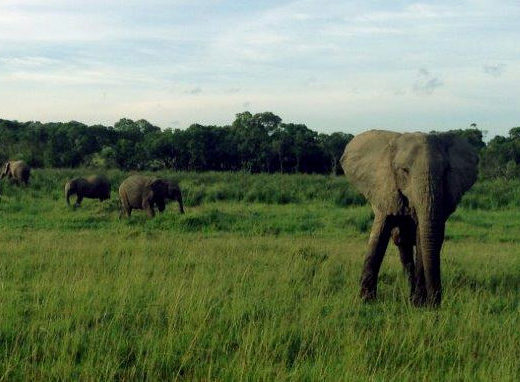
According to him, conservation training is the last line of defence against threats to conservation in Kenya. “There is a lot of pressure on our nature reserves and heritage. Cities are encroaching on land that has been earmarked for conservation and land is also being converted into farmland. A growing population is at the heart of this. If we are not careful, we will lose the Maasai Mara National Reserve.”
He wants his students to keep the connection with nature alive in their hearts.
“Getting back to nature is like taking a fresh breath. It calms my heart.”
He feels strongly about the future of the environment. “Our disrespect towards nature led to climate change. We need to bring respect back by each doing that one small thing every day to restore the balance.”