VIDEO: “Pink tax” in the Lowveld is a reality
This "tax" means that women pay more for the same products than men do.
A Facebook post made by the non-profit organisation, Use Your Voice, on July 6, has provoked an uprising against the so called “pink tax” in South Africa, once again shedding light on the injustices against women, even in this modern day and age. This “tax” is defined as the extra amount added to a product for women over a product for men.
For example, a plain shirt will cost more in the women’s section than in the men’s, even though it is exactly the same shirt.
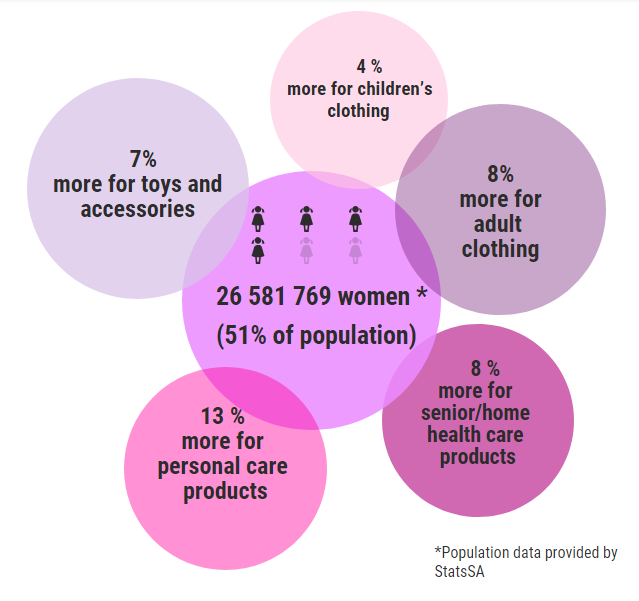
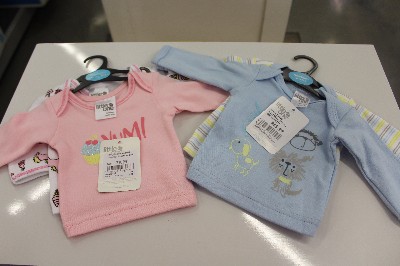
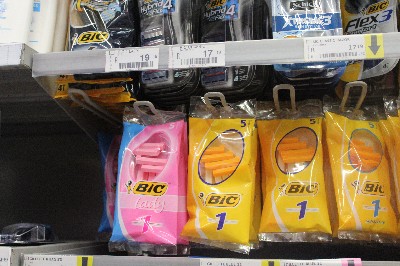
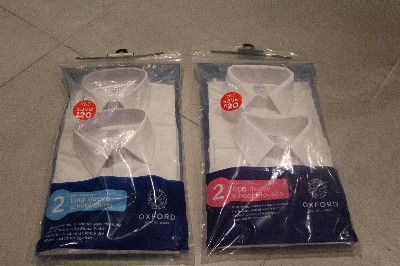
The organisation proved that this happens in South African stores. Lowvelder visited a number of different local stores and saw that this comparison was in fact ubiquitous. It was discovered that girls’ clothes cost more than boy’s clothes, even when the products are the same. The same goes for school shirts and shoes, razors and roll-on deodorant. Moltah Mavuso, provincial manager at the Commission for Gender Equality in Mbombela, said that even though she was not aware of this happening, it is certainly not fair.
“We’re using one thing for one purpose. That is why we should pay the same,” Mavuso said. GRIP in Mbombela echoed this sentiment. “If women continue paying more than men, we are not living out the values of ubuntu,” said project manager, Licky Thusi. “We are living in a democracy and women’s rights should be heard.” Another issue in the fight for women’s rights is abolishing VAT charges for sanitary projects, or even making them freely available. “If the government can do it with water and electricity, why can’t they do it with sanitary products?” askedThusi, adding that these products are an necessity for women.
READ ALSO: One mother’s ‘private hell’ brings hope to another
“To my knowledge the Department of Education is in negotiations to provide free sanitary pads for all girls in school. But what happens when they leave school? We need to still provide for them,” Thusi said. Mavuso said that girls miss school because they do not have the money to buy these products for themselves and what they are using instead “is unhealthy”.
Use Your Voice said that women having to pay for sanitary products is one of the issues the movement aims to address, also arguing that the price discrepancies cannot be due to supply and demand. “From the 28,3 million women in South Africa there are 4,25 million girls in school from grades 4 to 12 (2014 survey). From these girls, 88 per cent of them have no access to sanitary pads or other sanitary products, which means that only 24,5 million women can access sanitary products, which makes the demand smaller than the demand for men’s products. Yet, even though women’s demand is smaller, our prices are higher.”According to Mavuso, the commission believes that women can be empowered by ensuring that men and women have the same opportunities through all ages, classes and races.
READ ALSO: BREAKING: Two people killed in an accident on the KaNyamazane Road