Beware of mosquitoes during malaria season
The recent wet weather could result in more malaria-carrying mosquitoes and an increased chance of contracting the illness in moderate risk areas such as the Onderberg.
MALALANE – Malaria season is usually between September and May and residents and visitors are urged to employ preventative measures during this time.
Due to the fact that there have been a number of malaria cases reported in lower-risk areas over the past year, the National Institute of Communicable Diseases (NICD) recently proposed expanding the malaria risk areas within South Africa.
This is the first time in five years they have made such a proposal, explains Dr Peter Vincent of Netcare Travel Clinics and Medicross Tokai.
Currently the moderate-risk area includes the entire Kruger National Park (KNP) and stretches north and east from the Swaziland border up to the Zimbabwe border and includes the Onderberg and towns like Phalaborwa and Giyani.
Low-risk areas stretch westwards and include Hoedspruit and Musina and run close to Tzaneen and Alldays.

The draft map proposed that the moderate-risk areas are extended almost towards Tzaneen and include Musina and Hoedspruit. The low-risk areas would include larger areas of Limpopo, including Makhado, Alldays and Lephalale.
According to the NICD, the malaria situation in the KNP and Mpumalanga is mostly unchanged. They warned that malaria could occur outside of these areas due to “taxi malaria”, where infected mosquitoes are occasionally transported to other areas.
The NICD and Vincent urged residents and travellers to be aware of symptoms and to promptly seek medical attention.
READ: Tuesday Life Hack: 6 home remedies to ward off mosquitoes
Vincent warned that this disease should be treated as early as possible to prevent serious complications, as infection by certain types of malaria parasites can be fatal.
After a mosquito bite, symptoms could develop from between seven to 30 days or even several months later, depending on the parasite.
Malaria symptoms are very similar to that of flu and could be misdiagnosed, so it is important to notify your doctor if you have been in a malaria area. They will need to test your blood to check.
Symptoms include
• chills
• fever and sweating
• headaches
• nausea, vomiting and diarrhoea
• muscle and joint pain.
Malaria mosquitoes are most active between dusk and dawn and it is, therefore, important to increase your preventative measures during this time.
Measures can include
• spraying your home annually with non-toxic long-acting insecticides outdoors and indoors
• keeping windows and doors closed or covered with gauze screens
• wearing long-sleeved clothing and long pants
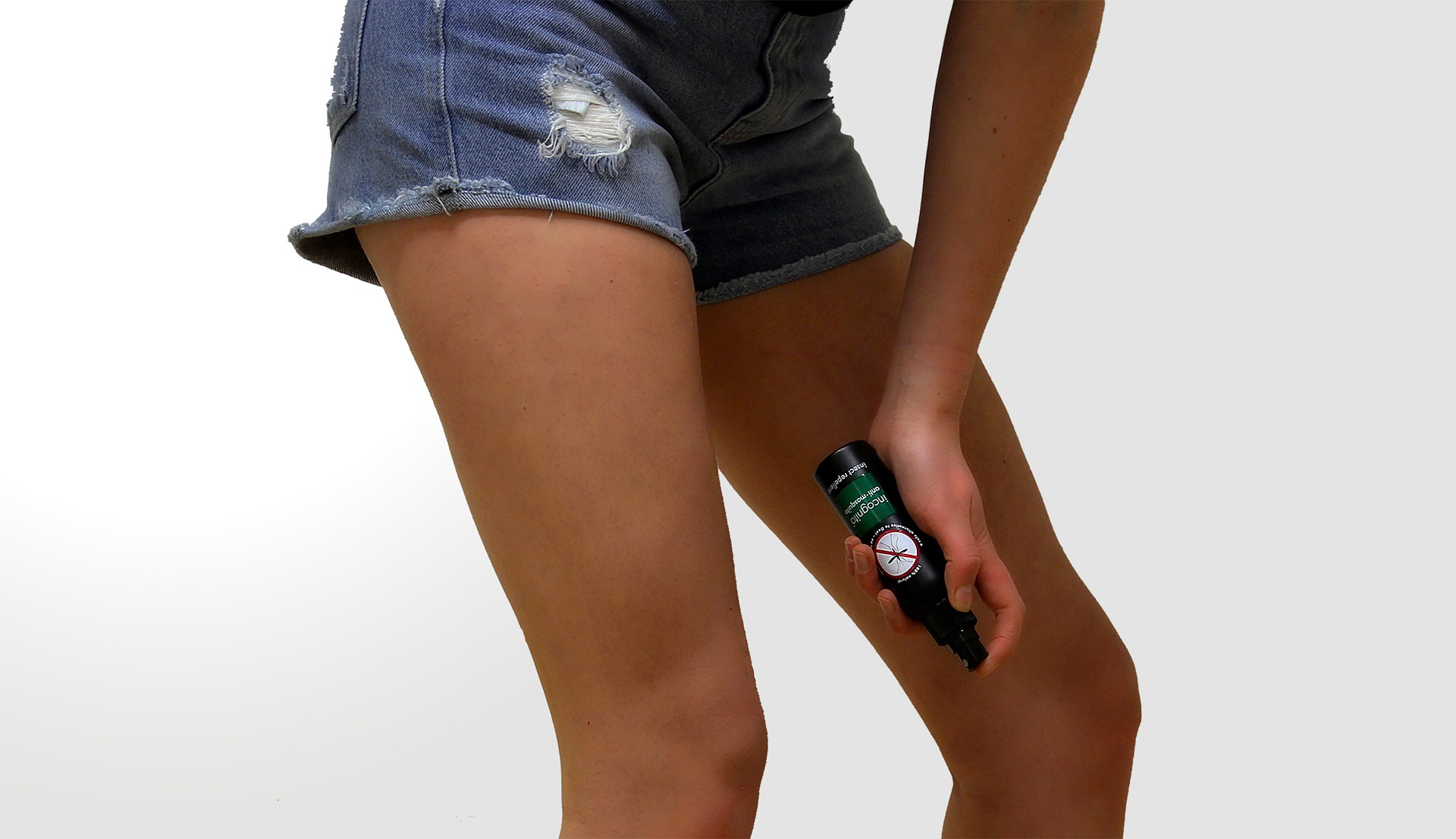
• applying insect repellent to your uncovered skin
• burning citronella candles or using other types of insect repellent in bedrooms
• sleeping underneath treated mosquito nets
• turning on the air conditioner or ceiling fan.
READ: #ThinkingTuesday; Mozzie bites up close