Familiarise yourself with drone dos and don’ts
In light of recent cases where drones have flown where they were not supposed to and caused a ruckus in the city's neighbourhoods, it is important to note that such an illegal act can land you in jail or with a hefty fine of R50 000.
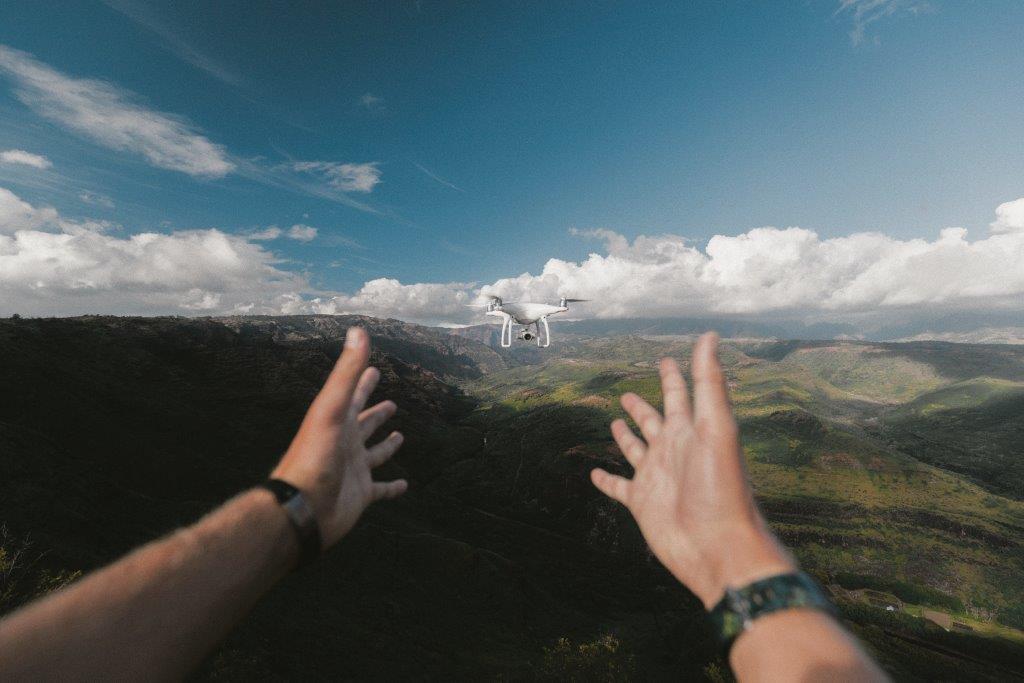
This is a stern warning by the Civil Aviation Authority’s spokesman, Kabelo Ledwaba. There can be no arguing over the fact that drones are regarded by many as one of the coolest and must-have gadgets.
Unfortunately, a large amount of the population is not fully aware of the inappropriate and illegal use of these devices Contrary to popular misconception, it is not illegal to operate a drone in South Africa.
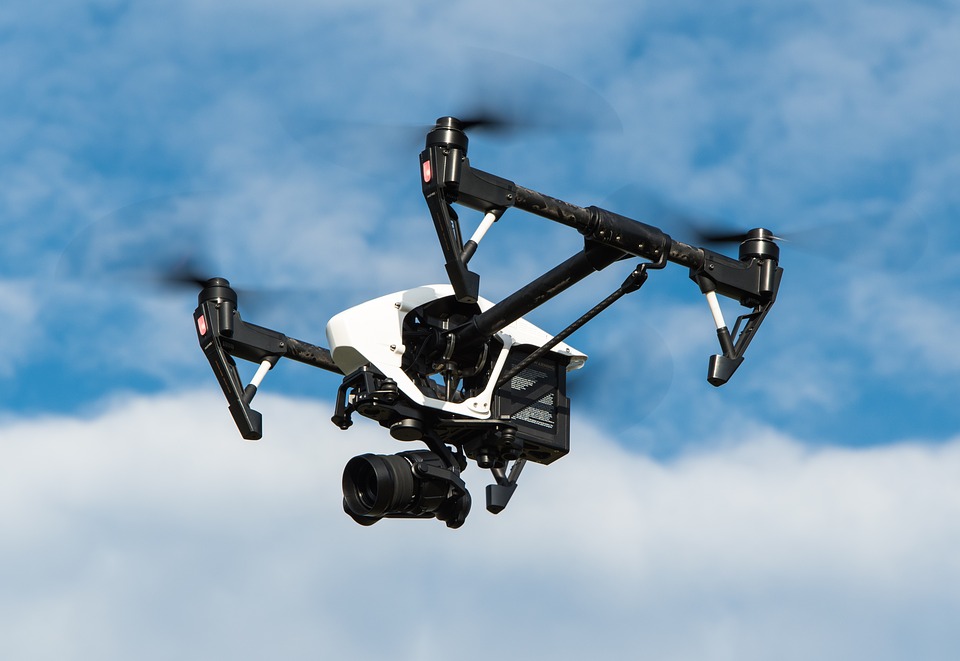
In fact, as far back as 2015, South Africa was among one of the first, and just a handful, of countries to allow the flying of drones. What’s more, in the same year, South Africa became the first country on the continent and possibly across the globe to issue a pilot’s license to operate remotely piloted aircraft.
According to Ledwaba, traditionally, remotely piloted aircraft systems (RPAS); or drones, as they are commonly known; were initially used primarily in military operations.
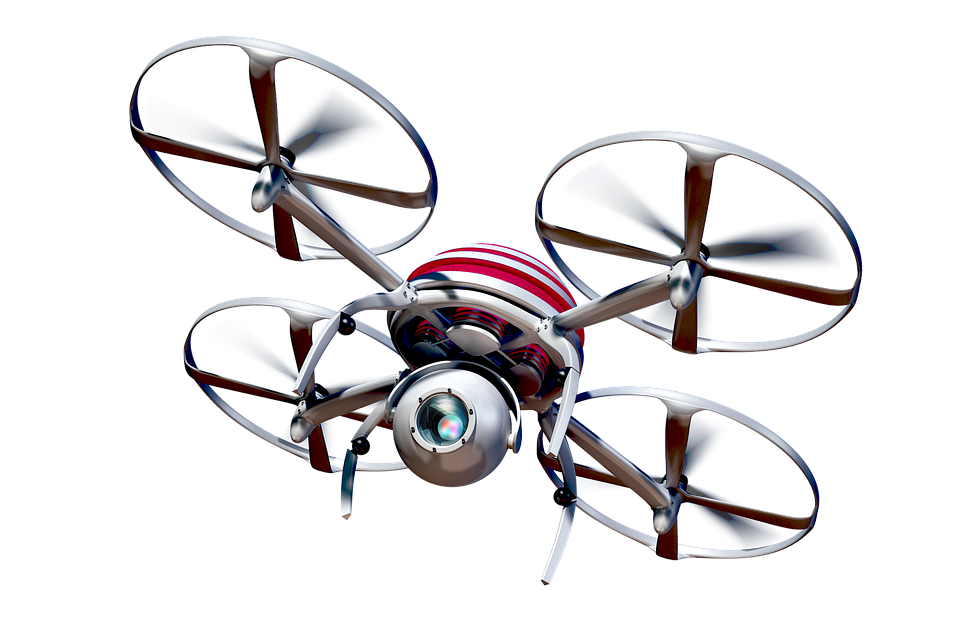
While these types of aircraft have been used for considerable time in military operations, their useful deployment in civilian activities has only become more apparent in recent times.
These types of aircraft thus comprise a relatively new component of the civil aviation framework. The use of drones has evolved rapidly and now includes various types of commercial and non-commercial activities such as conservation assignments, aerial surveillance, scientific research and journalism.
Basically, the use of drones is now only limited by one’s imagination. Popular as they are, drones are not toy aircraft. The confusion around the two has led to many people unintentionally breaking aviation and other laws.
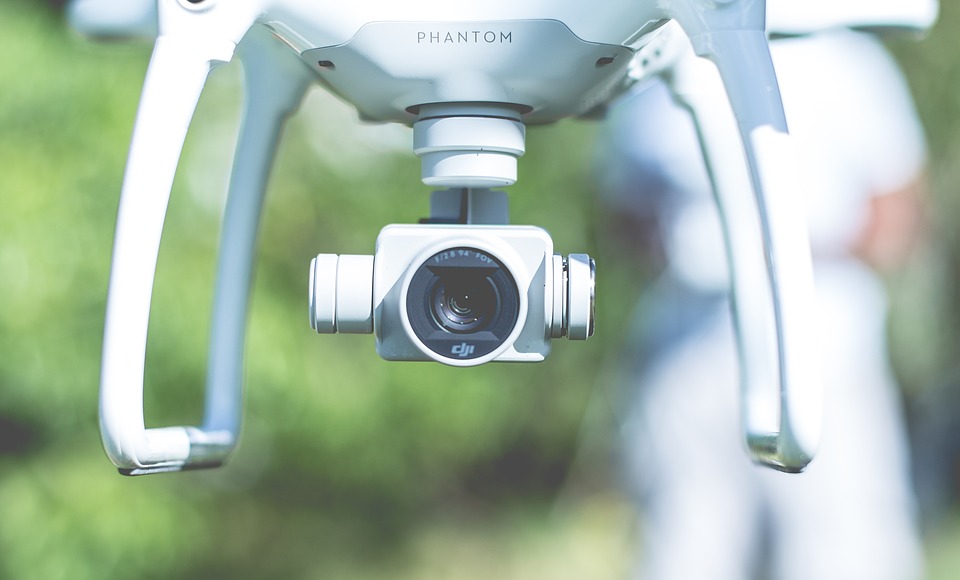
These accidental incidences can leave one with a hefty fine or a criminal record. So before you go on a bargain-hunting spree for the niftiest flying gadget, first familiarise yourself with RPAS laws, which in certain instances, are applicable to all types of aircraft including toy aircraft, model aircraft and a remotely piloted aircraft.
As much as drones are cool gadgets, they also pose risks. If not operated in line with applicable laws may cause a collision with other aircraft, with possibly fatal results.
Drones can also cause damage to property or injury to members of the public. Given the low cost and availability of these aircraft, it is possible that errant individuals or entities may easily obtain and utilise these aircraft in an unsafe manner, thus presenting a risk to other aviators and the public.
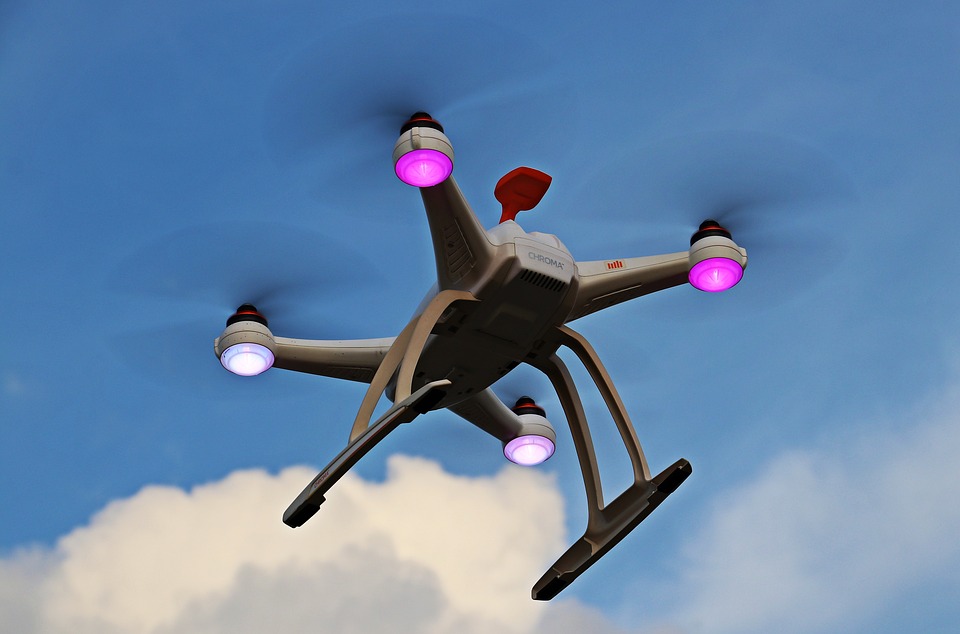
Regardless, the SACAA will never condone nor tolerate any form of blatant disregard of the applicable rules. The public is urged to report these errant individuals or entities to the SACAA or the SAPS.
Dos
• Fly and operate drones or toy aircraft in a safe manner, at all times
• Drones or toy aircraft should remain within line of sight at all times
• Fly and operate drones in daylight and clear weather conditions
• Inspect your device before each flight
• Drones should be in a fit-to-fly condition with the relevant authorisation
• The person flying the drone is the holder of a valid remote pilot’s licence.
The aircraft should not be flown
• In a formation or swarm
• 120 metres above the surface or within a radius of 10 kilometres from an airport
• Flown adjacent to or above a nuclear power plant, prison, police station, crime scene, court of law, national key point or strategic installation
• Higher than 45 metres from the ground, unless approved by the Director of Civil Aviation of the SACAA.
No drone shall be operated unless it is registered with the SACAA and has been issued with a letter of approval. In addition, retailers need to note that no drone shall be sold unless the seller has notified the buyer of the operational requirements as imposed by the SACAA.
In a nutshell, a pilot has the responsibility to ensure that the aircraft is operated safely and does not endanger the safety of another aircraft, person, property, nor invade on the privacy and security of any other member of the public.
Overall, no individual or entity may operate drones for commercial, corporate, or non-profit purposes unless they have a valid RPAS operator certificate.
However, private or recreational users of drones are not required to undergo the same certification process as other operational categories, provided that there is no exchange of favours or any form of financial gain in exchange for flying.
ALSO READ: Before buying a drone, familiarise yourself with these laws
For private use, the drone may only be used for an individual’s personal and private purposes where there is no commercial outcome, interest or gain. However, the drone regulations, which are contained in Part 101 of the South African Civil Aviation Regulations, contain other restrictions which are designed to keep the general public safe.
For all other uses, it must be registered and may only be operated in terms of Part 101 of the South African Civil Aviation Regulations.
To date, the SACAA has registered 1 224 drones on the aircraft register and has issued 1 156 remote pilot’s licences. There are five schools allowed to conduct RPAS pilot training.
Calls for less stringent regulations are one-sided and disregard the challenges that countries with such an approach are facing.
Most importantly, the numerous reports of hair-raising incidents and mid-air near misses between jets carrying large numbers of passengers and RPAS as well as other security breaches involving these types of aircraft should not be dismissed as fiction.
It is important to indicate that the SACAA is already making considerable headway in terms of introducing a short-to-medium term roadmap that would improve on certain aspects of RPAS integration into the mainstream aviation sector.
These include aspects such as further classification/categorisation of small, medium and large RPAS, operations in controlled airspace, and flights beyond line of sight.
ALSO READ: Everything you must know before flying your drone