Priority is to provide medical and food assistance to victims of Cyclone Idai
The destruction wreaked by Cyclone Idai is continuing well after the storm has passed.
MBOMBELA – Rescue workers and aid organisations say the priority is now to provide medical assistance and food and water, as starvation is starting to claim lives.
A number of Lowvelders have joined their international colleagues in working nonstop to assist those in need after it caused indescribable suffering last Thursday in Mozambique, Zimbabwe and Malawi. Clean, safe water remains one of the most important needs for those affected.
ALSO READ: UPDATE: South African mom confirmed daughter and granchild in Beira are safe after Cyclone Idai
Existing sources have been destroyed or contaminated, and access to safe water is critical to help prevent outbreaks of cholera or other dangerous waterborne illnesses. The International Federation of the Red Cross and Red Crescent Societies (IFRC) stated that cases of cholera had already been reported in Beira.
The reconstruction of roads and bridges to get access to those trapped in villages and towns in the disaster area can take months. The disaster relief is expected to be needed for months to come.
Lowvelder accompanied Mercy Air, White River Rotary and Mozambique Aero Club to Beira on Friday. The aid organisation flew supplies and did a land survey of the Save River and the Buzi River, the area worst affected by the cyclone, which made landfall last Thursday and Friday.
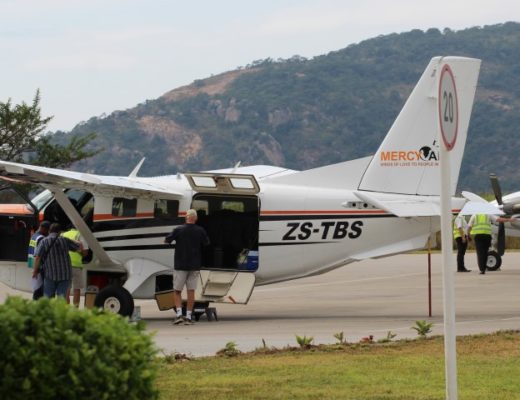
Mercy Air pilot John Edward Herbert, White River Rotary president Kenneth Gehle and Mercy Air CEO Allan Luus flew from Mbombela to Beira in Mercy’s Kodiak.
ALSO READ: Hundreds if not thousands still missing in Mozambique a week after Cyclone Idai hit
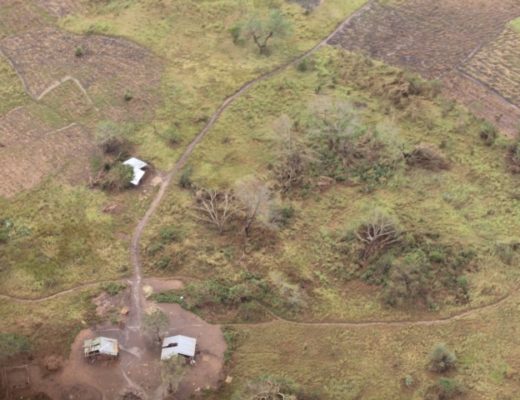
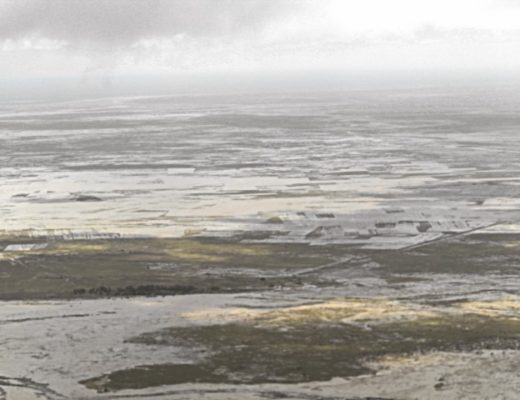
The team noted that water levels had dropped, exposing dry land. They saw the extent of the damage caused to houses and crops, and no sign of life or livestock could be seen.
More storms and rain left what used to be a densely populated area, an inland sea devoid of human life as far as the eye could see.
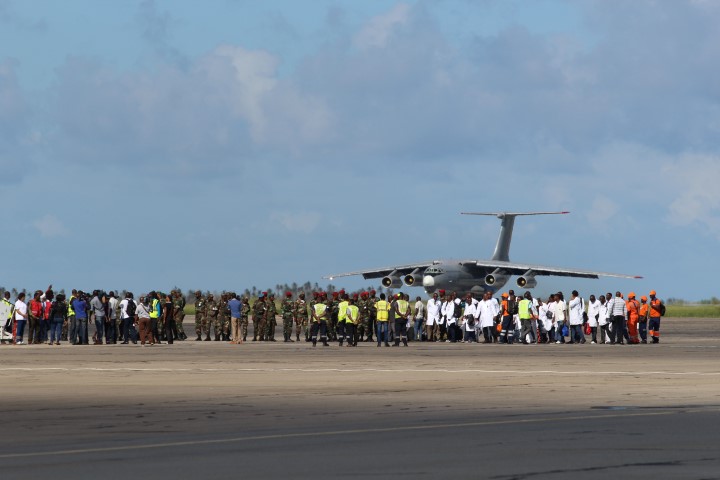
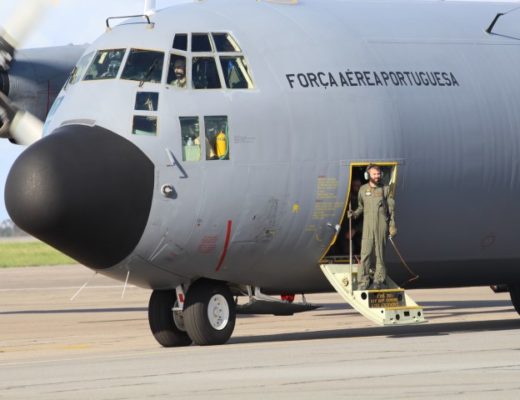
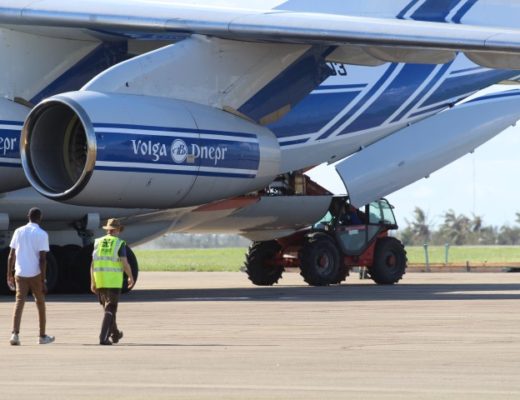
At Beira Airport, the South African, Tanzanian, Angolan and Portuguese military plus a Russian plane, United Nations and UK Aid offered aid to the disaster efforts by flying in supplies for survivors and carrying out searches for the missing.
Mercy Air pilot Joel Baertschi explained that they were the first team to deploy rescue and aid air operations in the area.
Luus said they had just flown a couple from Guara-Guara Camp, where the people from the flooded town of Buzi were being kept. The woman had been nine months pregnant and had been stuck on a roof for four days. The team managed to get her to a hospital where they performed a C-section on her.
WATCH VIDEOS: VIDEO: Aerial footage of flooded areas around Beira
Dispersing aid has been a logistical challenge, given the scope of the disaster, with communication lines and roads washed away.
The team met up with the Gift of the Givers, a medical relief group with doctors. The room at the airport where they were based was filled with doctors and rescue personnel, just sitting on the floor. When asked why they were not out in the field, they stated they were unable to get medical supplies from the main aid warehouse, which was now under the control of the
United Nations and no distribution was allowed until the UN engaged its distribution plan.
Stakeholders were, however, working together in an effort to get help to the masses of displaced people.
Due to the situation in Beira, the team decided to rather offer support to the neglected areas south of Chimoio (Dombe area).
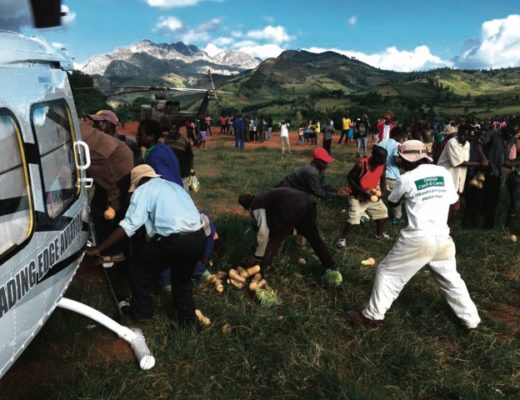
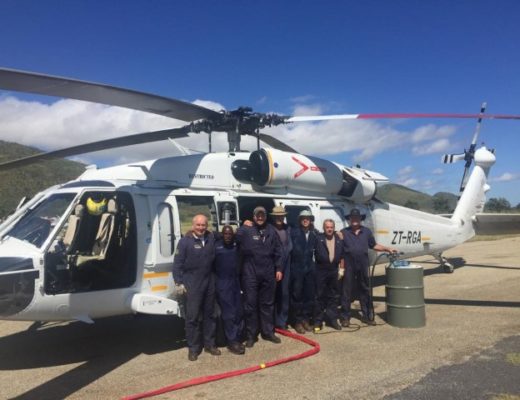
Another group of local pilots, headed by Leading Edge Aviation’s Mark Jackson, has been extremely busy flying food, medicines and general relief cargo to the flood-stricken region of Zimbabwe.
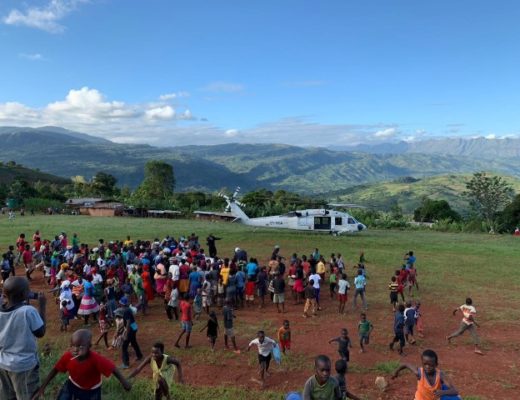
“Leading Edge Aviation are operating their Huey and Black Hawk helicopters in the Chimanimani region. We average around five tons a day with the Huey and 25 to 30 tons with the Hawk.”
He said they were working for Econet, which was sponsoring their relief efforts. “There are only a few helicopters, about eight including three Zimbabwe Air Force ones. The Zimbabwe army are also assisting along with civilians.”
“We are well looked after and are making a difference to a very badly hit region. Our team is made up of myself and my youngest son Stephen on the Huey, with my elder son Peter, Tosh Ross, Charles Burger, Dale Nortjie and Sbongiseni Momdlane as my helicopter crewmen,” he said.