Appointment process of judges comes under the spotlight
Mphahlele voiced her opinion that the selection process may be as stringent as it is because sitting judge presidents may seek candidates who are the cream of the crop.
MBOMBELA – To the layman’s eye, judges are intimidating people who with just a pounding of the gavel, can decide your fate. They are spoken of in hushed, fearful tones by many in the dock. Few ordinary citizens are actually aware of the power they wield and more importantly, the intricate process through which they are appointed to the bench.
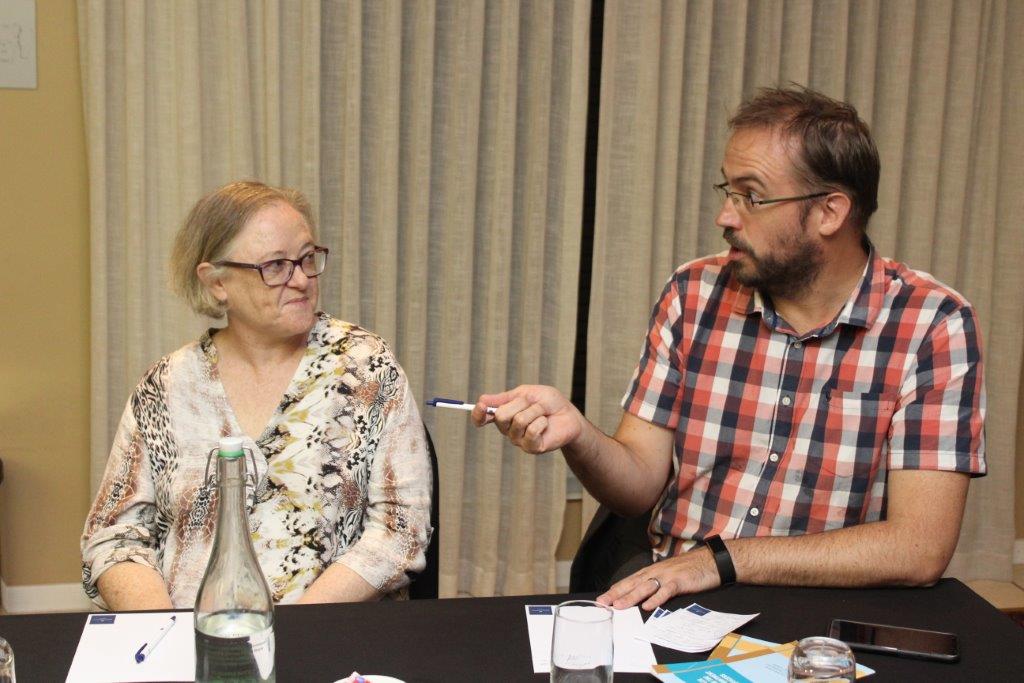
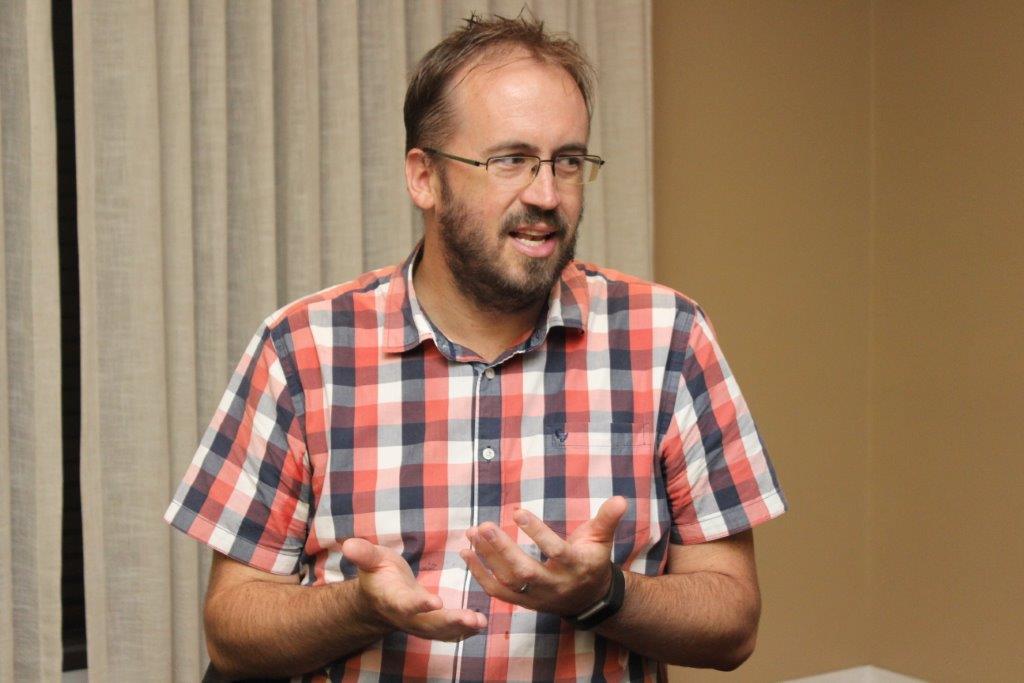
Alison Tilley is an attorney and the coordinator of the Judges Matter campaign and Chris Oxtoby is a senior researcher at the Democratic Governance and Rights Unit. They are engaging with the judiciary in order to keep a keen eye on the Judicial Service Commission’s appointment process.
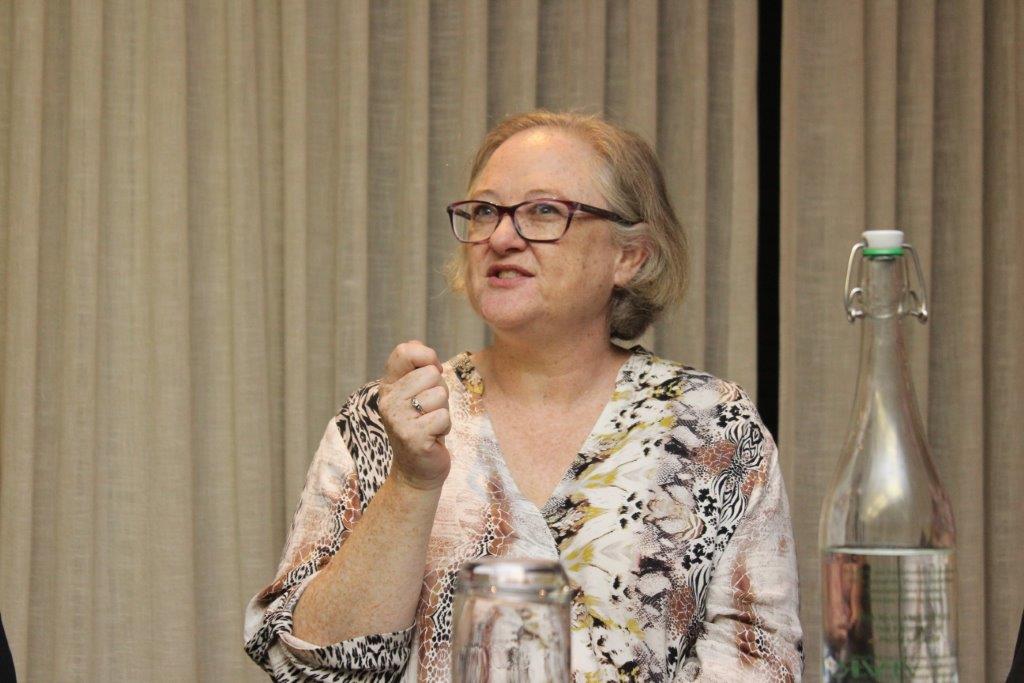
This aims to improve civil society scrutiny of judicial appointments in order to ensure that the right candidates are appointed for the job. Judges Matter hosted an eyeopening dialogue session at the Protea Hotel on Monday March 25 to probe how judges are appointed and to investigate whether certain principles and guidelines could be introduced and implemented as far as the appointment of judicial officers is concerned.
“There is a gap no one is looking at in terms of how judges are appointed and we need to get to grips with what a Constitutional Court judge should be like,” Oxtoby said.
“Let’s articulate the criteria and thereby provide a shared understanding of what we’re looking for.”
It became apparent that over the years the criteria for appointing judges has varied markedly. Oxtoby and Tilley recalled a time when a candidate’s involvement was held as an important yardstick to ascertain whether they were in touch with those who they would be passing judgement over.
This question has all but disappeared and more recently, the question has become whether a specific candidate has served in an acting judge capacity before applying for a position. The rationale behind this is to interrogate how a candidate can serve as a judge if they had not served in an acting capacity.
ALSO READ : Offline systems at home affairs frustrate locals
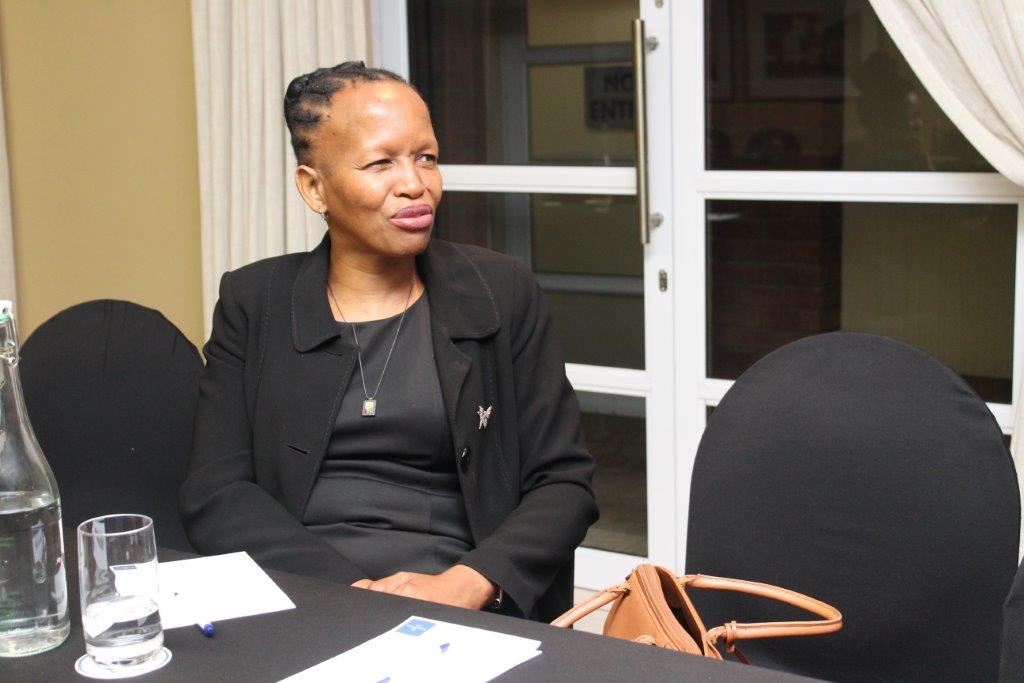
This is disconcerting for many attorneys wanting to make the leap to the bench, because, as Judge Sheila Mphahlele pointed out, judge presidents, who make these recommendations may have conflicts with certain candidates and may not allow them the opportunity to be appointed in an acting capacity.
“There is a sense that the criteria fluctuates wildly from one year to the next and since September 2009, the appointment of Constitutional Court judges received widespread media and political attention,” Oxtoby said.
“It is much quieter now, probably because the judiciary is doing better, but then, public opinion tends to be quite ‘all or nothing’.”
He expressed his concern for this apparent public apathy. “It is my implicit view that seeing everything as fine is concerning because the same problems tend to be repeated over the years.”
Inevitable comparisons were drawn between the selection processes of judicial officers in our neighbouring countries and Oxtoby mentioned that countries like Zimbabwe had a clear-cut process.
ALSO READ: Taxing delays for trucks at Lebombo border due to SARS strike
Mphahlele voiced her opinion that the selection process may be as stringent as it is because sitting judge presidents may seek candidates who are the cream of the crop.
The judiciary were offered a glimmer of hope at the Southern African Chief Justices’ Forum conference and annual general meeting in October in Lilongwe where the Lilongwe Principles and Guidelines on the Selection and Appointment of Judicial Officers was adopted.
The precepts contained therein stipulate among others that judicial candidates should exceed minimum standards of competency, diligence and ethics and that appointments of candidates should be made according to merit. This provides clear-cut guidelines to be followed in the selection and appointment of candidates to the bench.