Advice on your will from experts in the field Singwane & Partners
It is advisable to consult an attorney to draw up your will and it is recommended that your attorney be nominated as the executor of your estate in your will.

Your attorney
• will advise you on any potential problem which
may arise,
• will deal with any legal issues that might be encountered,
• has the necessary knowledge and expertise to ensure that your will is drawn up in accordance with your instructions, and
• will ensure that your will has been properly executed, and is valid and binding in terms of the Wills Act.
What will happen to my estate and assets after I die?
Singwane & Partners says the best way to ensure that your assets are distributed according to your wishes and instructions after your death, is to draw up a will. This gives you the opportunity to appoint an executor to deal with your assets.
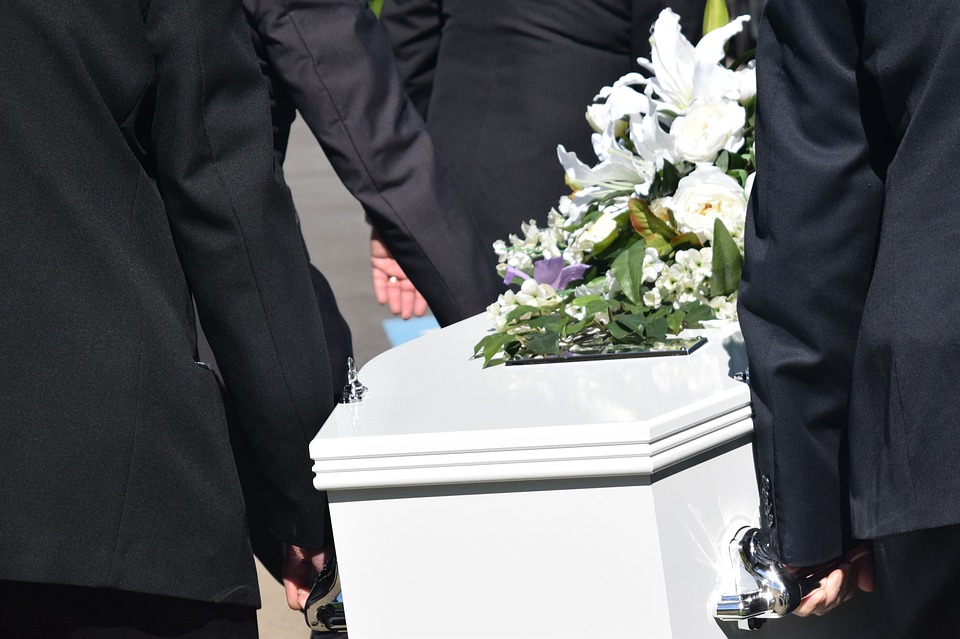
If you die without a valid will, your family might suffer inconvenience and even severe hardship. Where a person dies without leaving a valid will, the estate will devolve in accordance with the Intestate Succession Act.
The estate will, in such circumstances, devolve upon the surviving spouse or the surviving spouse and children of the deceased and grandchildren (where a child has predeceased the deceased leaving children).
Where there are no descendants, the parents will inherit, and in their absence, the brothers and sisters will inherit.
How does the administration of a deceased estate start?
When a person dies leaving assets or a will, the surviving spouse – or if there is no surviving spouse, the nearest relative residing in the district in which the death has taken place – must within 14 days from the date of death, report the estate in the prescribed manner to the Master of the High Court.
After the estate has been reported, the master appoints an executor by issuing a letter of executorship (if the deceased’s assets have a gross value of more than R125 000) or a letter of authority (if the deceased’s assets have a gross value of less than R125 000).
Your attorney has the skill and expertise to assist you with the preparation of the necessary reporting documents and to attend to the proper administration of the estate.
Who can be appointed as an executor to deal with the administration of an estate?
It is advisable that your attorney should be appointed as executor as he/she will
• be familiar with the directions contained in your will,
• know where your assets are,
• have general information of your family affairs,
• be in a position to wind up your estate and carry out transfer registrations of any fixed property expeditiously, and
• has specialised legal knowledge of the administration process.
However, a family member can also be appointed as executor together with your attorney.
What is the executor’s role?
The executor is required to
• collect the deceased’s assets,
• settle his/her liabilities,
• pay any legacies, and
• distribute the balance of the estate to the heirs in terms of the will of the deceased, or in accordance with the provisions of the Intestate Succession Act where the deceased died without a will.
The Administration of Estates Act does, in certain exceptional circumstances, allow a surviving spouse to take over the property of the deceased or a portion of the property, subject to adequate security being furnished by the surviving spouse to secure any minor’s portions.
The heirs in the estate are also entitled to enter into a redistribution agreement which will have to be submitted to the master for approval and acceptance. Specialised advice by an attorney is usually required in such circumstances.