Pelo ya Mosadi project gives girls a better quality of life in Mpumalanga
The launch of the first manufacturing franchise, developed to produce quality, reusable sanitary pads, took place this week.
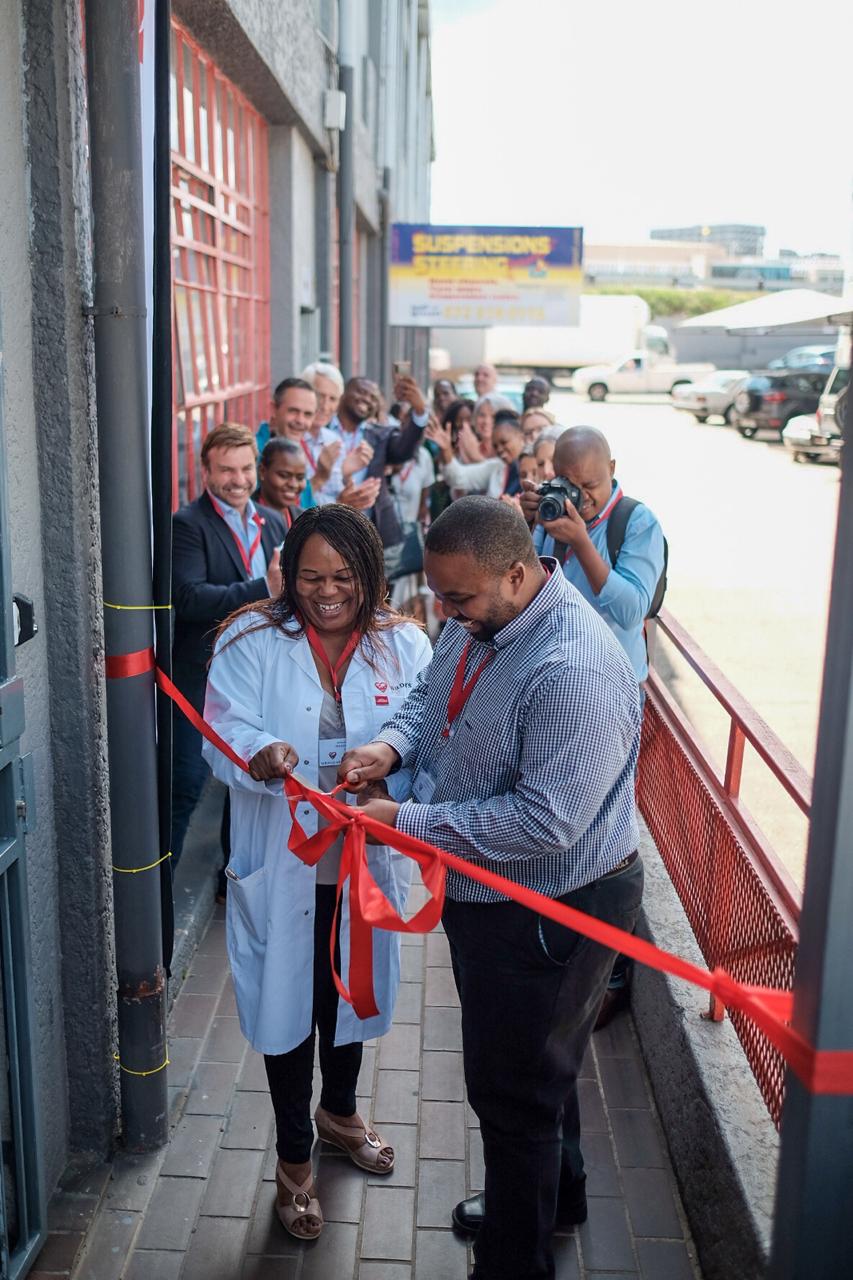
It was held at the La Villa Vita Boutique Hotel and Spa.
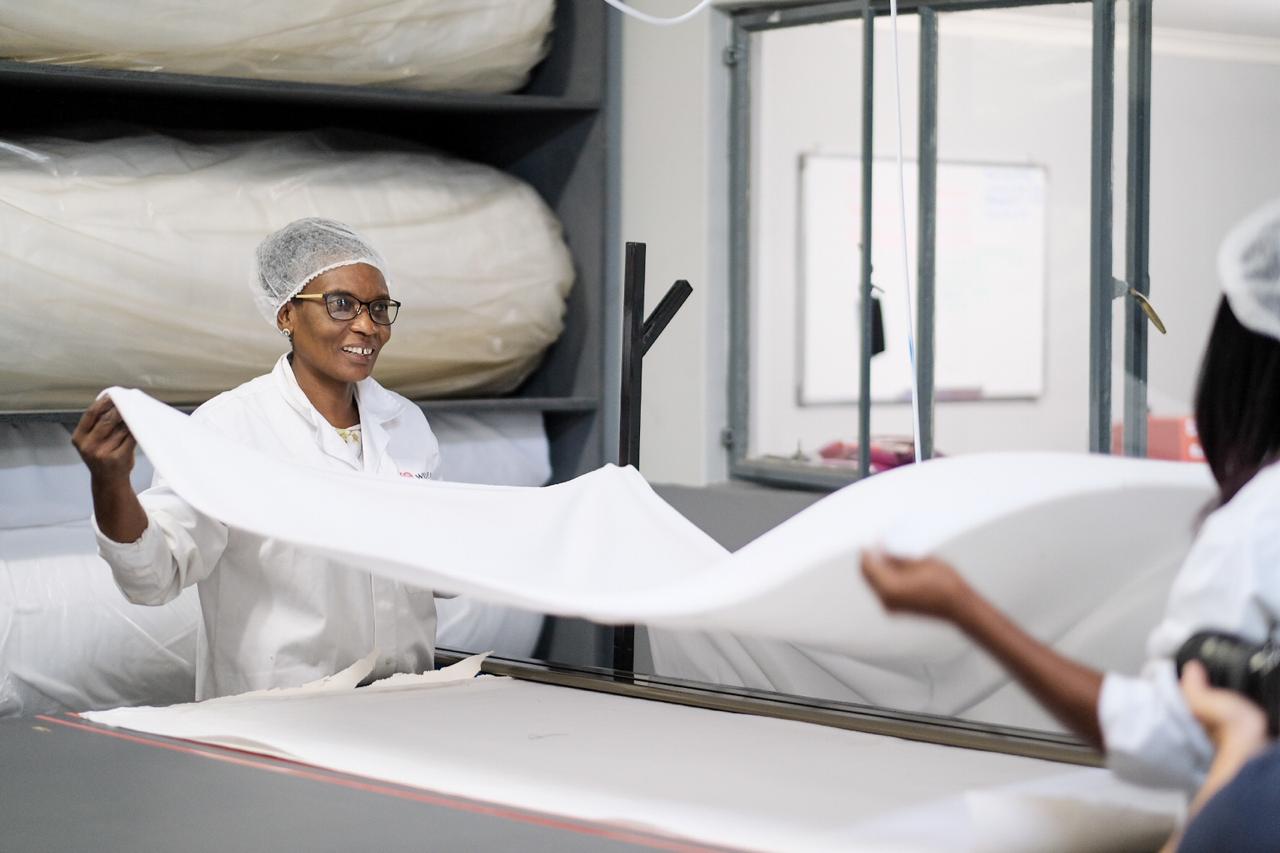
Old Mutual Insure partnered with Wildhearts Foundation Africa to launch the Pelo ya Mosadi project, and one of the first factories in Africa to produce reusable pads for schoolgoing girls was opened in the city.
The aim of the project is to keep girls in school and create employment in Mpumalanga.
In South Africa, girls frequently face difficulties in gaining access to hygiene products during their monthly menstrual cycle. This results in them missing school and falling behind in their education.
“Research conducted by the United Nations confirms that one in 10 girls in Africa miss school during menstruation, which is an appalling reality.
The lack of access to sanitary pads not only has adverse effects on school attendance and dropout rates, but also has a huge impact on these youngsters,” said Thabile Nyaba, Old Mutual Insure’s chief risk officer.
She told Lowvelder, “Old Mutual Insure believes in empowering societies and encouraging more female entrepreneurs.
These reusable sanitary pads will be made by women for young women, lasting on average between three and five years.”
She further explained that, “The partnership between Old Mutual Insure and Wildhearts Foundation Africa will drive socioeconomic development and growth, because reusable sanitary wear products will be distributed to disadvantaged, lower income and rural communities across South Africa.”
The Pelo ya Mosadi project donated 300 sanitary pads to the grade eight learners at Cyril Clark Secondary School last Friday.
ALSO READ: Fire will not stop Dis-Chem from helping customers
She explained that the partnership between the organisations will encourage the incubation of small manufacturing plants that are fully owned and operated by women, resulting in job creation and the growth of small enterprise development in an economy burdened by a high unemployment rate.
The factory has employed 11 production workers who will receive specific training for their jobs.
“We believe that this project will bring back the dignity of young girls, create jobs, develop entrepreneurs while building sustainable business, and mostly increase girls’ school attendance.
ALSO READ: Illegal mining of stichtite still ongoing
It will definitely assist in achieving a few sustainable development goals,” Nyaba said.